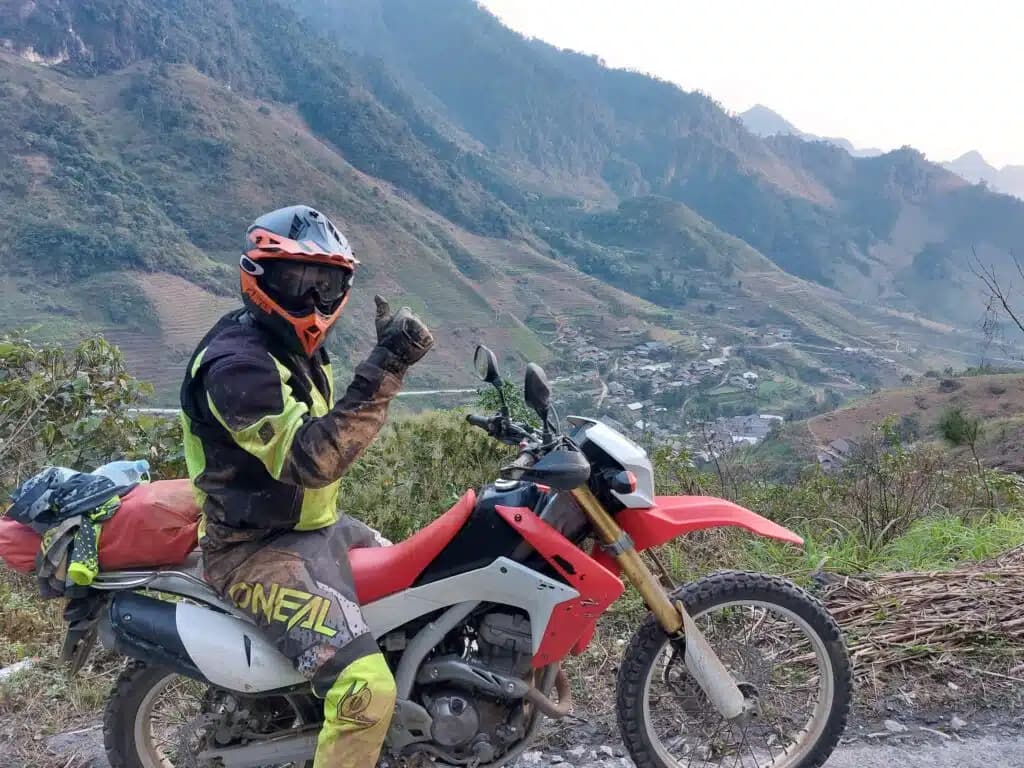
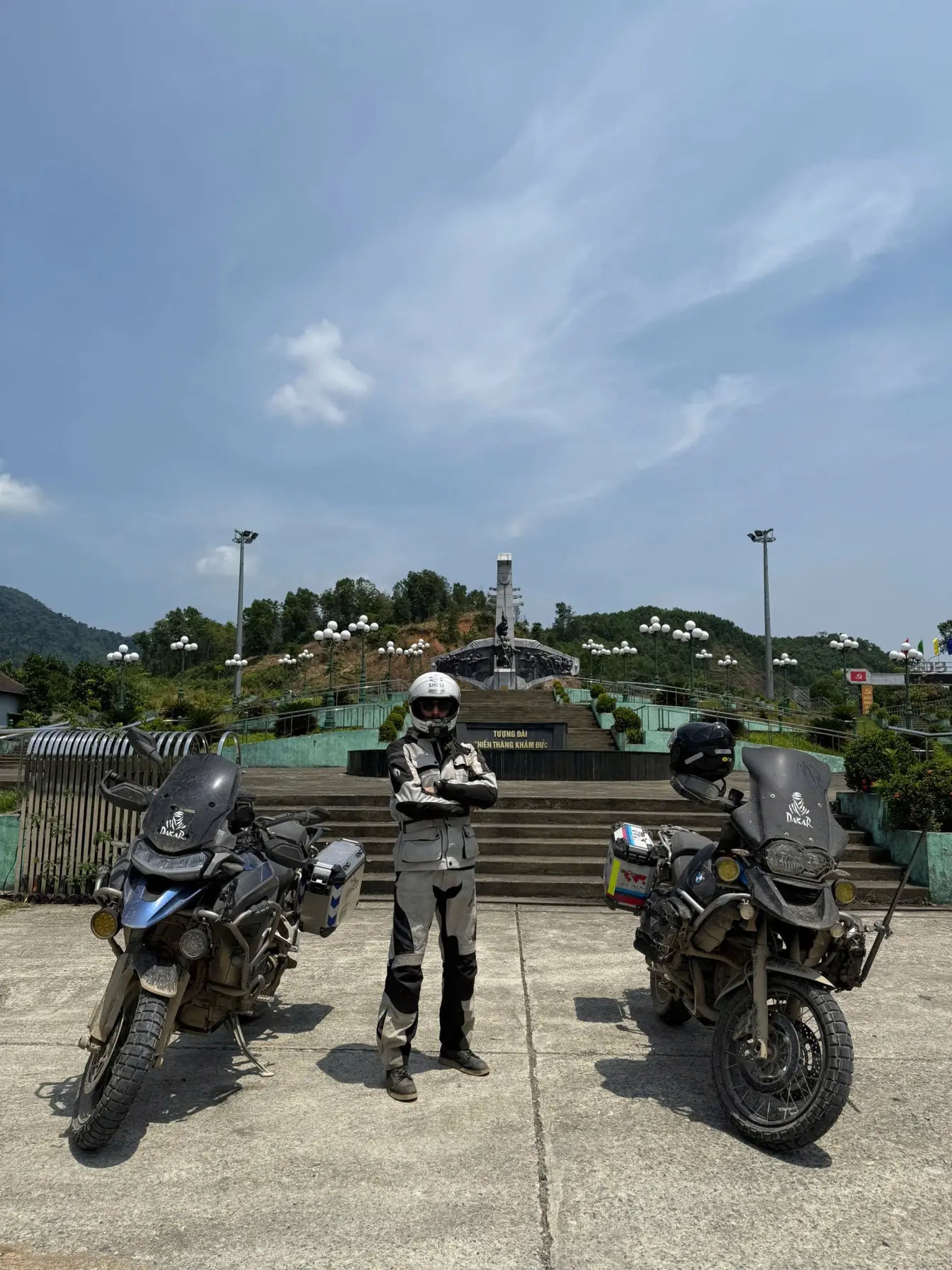
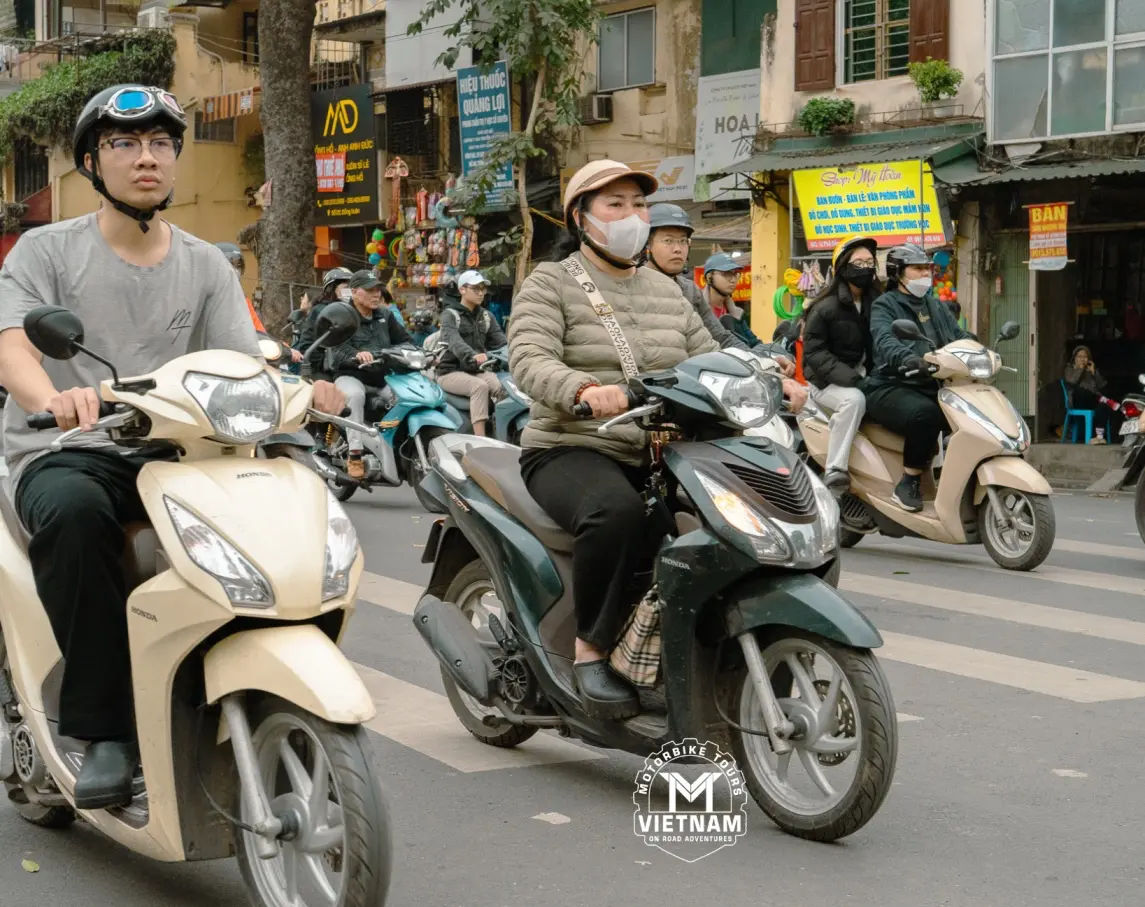
This page is about How to Get Motorbike Insurance in Vietnam, first of all, for any insurance to be valid, you must be riding legally with a proper motorcycle license. Motorcycle insurance in Vietnam is not optional. Every rider on a Vietnamese road, local or foreign, is legally required to carry Compulsory Third-Party Liability (CTPL) insurance. It covers damages or injuries you cause to others. Beyond CTPL, you can add voluntary coverage: protection for your own bike, personal accident benefits, and theft. You can buy CTPL online or at a licensed insurance office. Always carry your certificate while riding.
- Check out Motorbike touring in Vietnam
Motorcycle insurance in Vietnam: what the law requires
Every motorbike on a Vietnamese road must carry Compulsory Third-Party Liability (CTPL) insurance. That is the legal baseline, and it applies to locals and foreigners equally. CTPL covers the cost of injuries or property damage you cause to others. It does not cover your own bike or your own medical bills.
Beyond CTPL, you can buy voluntary coverage for your bike, your health, and theft protection. None of that is required by law, but Vietnam’s traffic makes it worth considering. Over 63% of traffic accidents in the country involve motorbikes.
Riding without valid insurance risks a fine and, in an accident, full out-of-pocket liability for damages.
- Check out how to get an international driving permit for Vietnam
- Traffic laws for foreign motorbike riders in Vietnam

Why insurance matters on Vietnamese roads
Vietnam has over 50 million registered motorbikes. In Hanoi, Ho Chi Minh City, and Da Nang, traffic during peak hours is dense and unpredictable. Traffic rules exist but are applied loosely, and lane discipline is minimal.
Compulsory Third-Party Liability (CTPL) insurance covers up to VND 150 million per person for death or injury and VND 50 million for third-party property damage. Without a valid certificate in your glove box, a routine police stop results in a fine. In an accident, you bear the full cost of any damages to others.
Vietnam’s motorbike culture and what it means for riders
Motorbikes are the primary transport in Vietnam, not just in cities but across rural provinces. Whole families ride together, delivery drivers work on scooters around the clock, and even market goods travel by two wheels.
Over 63% of traffic accidents in Vietnam involve motorbikes. Roads vary from well-maintained highways to narrow mountain passes with loose gravel and no barriers. In cities, pedestrians, xe om drivers, and delivery scooters share the same lane without fixed rules. Insurance does not make riding safer, but it limits the financial damage when something goes wrong.
- Check out the scenic routes to ride in Northern Vietnam

Types of motorbike insurance in Vietnam
Vietnam’s motorbike insurance market has two tiers: compulsory and voluntary. CTPL is required by law. Voluntary plans sit on top of it and cover what CTPL does not: your bike, your body, and theft.
Choosing the right combination depends on how you use the bike and how long you plan to ride.
Third party liability insurance for motorbike in Vietnam (CTPL)
CTPL is the compulsory baseline every rider must carry. It pays for damage or injury you cause to other people, not for your own injuries or bike.
Coverage limits under Vietnamese law are VND 150 million per person for death or bodily injury and VND 50 million for damage to third-party property. The annual premium runs between VND 60,000 and VND 80,000, roughly the cost of a few cups of street coffee.
Police do check for the certificate, especially in city centers and at checkpoints. Riding without it means a fine and no legal protection if you cause an accident.
Voluntary comprehensive insurance
Voluntary comprehensive insurance covers damage to your own bike from collision, fire, flooding, or overturning. It is not required by law but covers everything CTPL does not.
Premiums are typically around 1% of the bike’s value annually. On a mid-range scooter worth VND 30 million, that is around VND 300,000 per year. On mountain roads, river crossings, and potholed rural tracks, damage to your own bike is a real risk, not a theoretical one.
Personal accident coverage
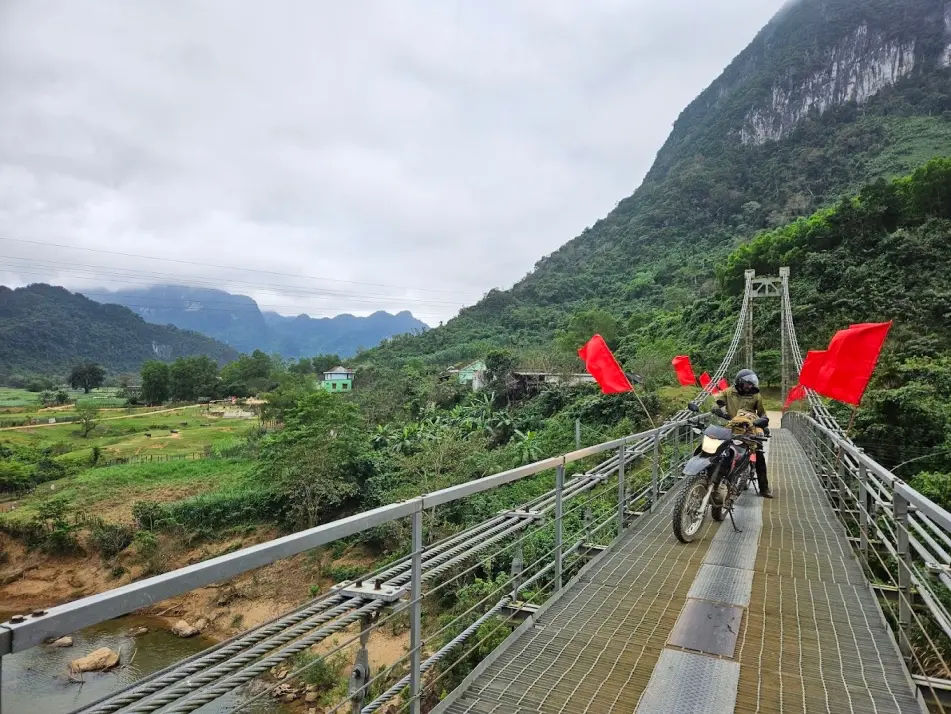
Personal accident coverage pays for your own medical costs, disability, or death in the event of a crash. CTPL does not cover this. Most voluntary policies bundle personal accident cover alongside bike protection, so you can buy both in one plan.
For daily riders or anyone covering long provincial routes, this matters. Hospital bills in Vietnam for serious injuries can reach several tens of millions of dong depending on treatment required.
Theft and damage protection
Some voluntary policies include theft protection if the bike is stolen by force, lost in a fire, or damaged in a natural disaster. Premiums for this tier are higher, but if the motorbike is your primary transport rather than a rental, the cost is reasonable relative to the replacement value.
Not all policies include theft by default. Read the policy document before signing, and confirm whether forced theft versus opportunistic theft is covered differently.
Is motorbike insurance legally required in Vietnam
Yes. Vietnamese law requires all motorbike owners to carry CTPL insurance. This applies to Vietnamese nationals and foreigners alike. The certificate must be carried at all times while riding, not just kept at home.
When buying a used bike in Vietnam, the seller may pass on an existing certificate, but check the expiry date. Certificates are issued annually and must be renewed. An expired certificate is treated the same as no certificate during a police check.
What happens if you ride without insurance in Vietnam
Riding without valid insurance in Vietnam results in a fine. Amounts range from a few hundred thousand dong to over VND 2 million depending on the circumstances, the officer, and whether the stop is routine or follows an accident.
Beyond the fine, the bigger risk is financial. If you cause an accident without insurance, you pay all costs to the injured party out of pocket. That includes medical bills, vehicle repair, and potential compensation claims. In serious accidents, those costs can reach hundreds of millions of dong.
Fines and legal consequences
Fines for riding uninsured in Vietnam typically fall between VND 100,000 and VND 1 million for a basic stop. If you are involved in an accident without coverage, costs escalate quickly through police reports, damage assessments, and hospital fees.
Officers check insurance certificates at routine checkpoints, especially in city centers in Hanoi, Ho Chi Minh City, and tourist areas in Da Nang and Hoi An. Carrying an expired policy is also a violation. The certificate date is checked, not just its presence.
How to get motorbike insurance in Vietnam
Buying motorbike insurance in Vietnam is straightforward once you know where to go. CTPL insurance is available online, at licensed insurance offices, through motorbike dealerships, and at some petrol stations. The process takes 15 to 30 minutes when you have the right documents.
Where to buy motorbike insurance in Vietnam
The most common options are:
Licensed insurance offices from companies such as Bao Viet, PTI, PJICO, and Bao Minh have branches in most cities. You can walk in, show your documents, and leave with a certificate the same day.
Online platforms from those same insurers let you buy CTPL and receive a digital certificate by email within minutes. This is the fastest option for riders who already know what they need.
Motorbike dealerships include basic CTPL in the purchase process when you buy a new bike. Check whether the policy is included or whether you need to arrange it separately.
Petrol stations in some provinces sell basic CTPL certificates at the counter, which is useful if your existing policy has expired and you are away from a city.
Documents needed to register motorbike insurance
For most CTPL purchases, the motorbike’s ownership card (the blue card, now issued as a yellow card) is sufficient. In about 80% of cases, that is all you need.
If you are a foreigner, some providers will also ask for your passport or residence card. For voluntary comprehensive coverage, you may also need the bike’s registration certificate and, if renewing, your previous policy number.
Preparing these documents before visiting an office or starting an online application avoids delays.
How to choose a reliable insurance provider
Established providers with a physical claims office in Vietnam are worth the slightly higher premium over unknown online brokers. In the event of a claim, you need a provider with a working claims process, not just a cheap annual certificate.
Check whether the provider has a Vietnamese-language hotline and a clear procedure for filing claims. Ask other riders or expats for recommendations. The cost difference between a reputable provider and a low-cost alternative is usually under VND 100,000 per year on a basic policy.
How much does motorbike insurance cost in Vietnam
CTPL insurance costs between VND 60,000 and VND 80,000 per year. It is one of the cheapest mandatory insurance products anywhere in Southeast Asia.
Voluntary comprehensive coverage adds to that cost. Expect to pay around 1 to 2% of your bike’s value annually. On a mid-range scooter valued at VND 25 to 30 million, that is VND 250,000 to VND 600,000 per year. Full coverage including personal accident and theft on a Honda Winner or similar bike typically comes to under VND 1 million per year total.
Factors that affect your insurance premium
The main factors that raise or lower your premium are: bike model and engine size, bike age and market value, your location (premiums are slightly higher in Hanoi and Ho Chi Minh City than in smaller provinces), and your claims history.
Bikes with larger engines, particularly those above 175cc, cost more to insure because repair and replacement parts are more expensive. A previous claim or traffic violation can also increase your renewal premium.
Insurance and damage waiver: what is and is not covered
CTPL covers only damage or injury you cause to third parties. It does not pay for your bike repairs, your hospital bills, or your personal belongings.
Voluntary comprehensive plans typically cover: collision damage to your own bike, fire, flooding, overturning, and sometimes natural disaster. Personal accident add-ons cover medical expenses, disability, and death.
Standard exclusions across most policies include: riding under the influence of alcohol, riding without a valid license, allowing an unlicensed person to ride your bike, and using the bike for commercial purposes not listed on the policy. Any of these will void a claim.
When renting a bike from a shop, the shop may offer a damage waiver as part of the rental fee. This is not the same as insurance. A damage waiver from a rental shop typically only limits your liability for the bike itself and does not cover third-party injuries or your own medical costs. Check the rental contract carefully.
How to claim motorbike insurance in Vietnam
Filing a claim in Vietnam follows a specific sequence. Missing a step, particularly the police report, is the most common reason claims are rejected.
Step-by-step process for filing a claim
After an accident, take clear photos of the scene, all vehicles involved, and any visible damage before anything is moved. Call the local police to file an official report. This report is required for virtually all insurance claims in Vietnam.
Contact your insurer within 24 to 48 hours of the incident. Most providers state the notification deadline in the policy document. Submit the police report, your insurance certificate, photos, and your identity documents. Keep digital copies of everything sent.
Processing times vary by provider and claim size, but straightforward claims are typically resolved within a few business days.
Common reasons for claim rejection
The most common reasons claims are rejected in Vietnam are: no police report, late notification to the insurer, riding without a valid license at the time of the accident, alcohol in the rider’s system, and the bike being ridden by someone not named on the policy.
Filing after the notification deadline, even by one day, can be grounds for rejection depending on the provider. Keep your insurer’s hotline number saved in your phone so you can notify them immediately after an incident.
Tips for a smooth claim process
Keep a photo of your insurance certificate on your phone alongside the physical copy. Store your insurer’s emergency contact number in your contacts before you need it.
At the scene of an accident, stay calm, document everything, and do not move the vehicles until photos are taken. When dealing with police, cooperate fully and request a copy of the official report for your records. Submitting a complete and well-documented claim is the single most effective way to get it approved quickly.
Can foreigners get motorbike insurance in Vietnam
Yes. Tourists and expats can buy motorbike insurance in Vietnam without restriction. The process is the same as for Vietnamese nationals, with a passport or residence card as the identity document.
Many rental shops in tourist cities include basic CTPL coverage in the rental fee, but always confirm this in writing. Basic CTPL from a rental shop does not cover your own injuries or bike damage. If you are riding long routes or staying in Vietnam for more than a few weeks, a separate voluntary policy provides meaningful extra protection.
Renting vs owning a motorbike in Vietnam: insurance differences
When renting, the shop typically handles CTPL registration. Your responsibility is to confirm it is current and to understand the damage waiver terms in the rental agreement.
When you own a bike, you arrange your own CTPL annually and choose whatever voluntary coverage you want on top of it. Ownership gives you full control over coverage but requires you to track renewal dates and carry your own documents.
For trips of a week or less, renting with the shop’s coverage is sufficient, provided you check the terms. For longer stays or regular riding, owning your own policy gives better protection and usually costs less per month than what rental shops charge for extended periods.
Riding legally and safely with motorcycle insurance in Vietnam
Having valid insurance is one part of riding legally in Vietnam. A valid license is the other. Without a Vietnamese motorcycle license or a recognized International Driving Permit (1968 Convention), your insurance policy may be void in the event of a claim, even if you paid for it.
Keep your insurance documents accessible
Carry the physical insurance certificate in your glove box or document pouch. Keep a photo of it on your phone as a backup. Police at checkpoints in Hanoi, Ho Chi Minh City, and tourist areas check for it alongside your license and registration. A few seconds of preparation avoids fines and delays.
Regular maintenance and its effect on insurance
Some insurers can reject claims if the bike is found to be in poor mechanical condition at the time of the accident. Brakes, lights, tires, and chains are the basic checks before any long ride. A pre-ride check takes under five minutes and reduces both accident risk and grounds for claim rejection.
Know the traffic laws that affect your coverage
Vietnam requires helmets on all roads. Riding without one voids most insurance policies in addition to being a fineable offense. Riding on the right side of the road, stopping at red lights, and not riding under the influence are also policy conditions, not just traffic rules.
Violating these rules during an accident gives insurers grounds to deny your claim. Riding legally and riding insured are not separate things: one depends on the other.
FAQs: Motorcycle Insurance to Ride Legally in Vietnam
Do I need travel insurance if I am on a motorcycle trip in Vietnam?
Yes. You must get your own health and damage insurance. Make sure to mention you’ll be riding a motorcycle, hold a valid home license and 1968 IDP, and read the policy carefully to confirm what’s covered.
What exactly should be the coverage in my insurance policy?
Your insurance policy should clearly cover: motorcycling (with engine size if needed), medical expenses, emergency evacuation and repatriation, accidental death or disability, personal liability, trip cancellation, and lost or stolen belongings.
Are standard travel insurance cover me for a motorcycle tour?
No, usually not covered. You’ll typically need to buy additional coverage for dangerous activities, declare exactly what you’ll do, pay a higher premium, and accept the insurer’s listed exclusions. Read the policy closely so you’re not left uncovered.
Does an IDP affect my insurance coverage?
Yes, you must hold a valid 1968 IDP from a country that signed the 1968 Convention. Fake or non-valid IDPs won’t be accepted and will likely void your coverage.
What happens in the event of theft or loss?
You are usually not covered for theft or loss in Vietnam unless your policy contract clearly states otherwise. Without that clause, you will likely need to pay for the vehicle’s replacement yourself.
Summary: how to ride legally with motorbike insurance in Vietnam
Every rider in Vietnam, local or foreign, needs CTPL insurance. It costs VND 60,000 to VND 80,000 per year and covers damage you cause to others. It does not cover your bike or your own injuries.
Voluntary comprehensive coverage adds that protection for around 1 to 2% of your bike’s value annually. Personal accident and theft add-ons are available from most licensed providers.
Buy from a licensed insurer, carry your certificate at all times, and ensure your license is valid before riding. In Vietnam, insurance and legal riding go together. One without the other leaves you exposed on both counts.
About the author
Hamid is an expat rider living in Vietnam with years of experience navigating the country’s busy streets and learning the ins and outs of local insurance requirements. Passionate about safe travel and motorbike culture, he shares real-world insights to help fellow riders stay protected and confident on every journey.