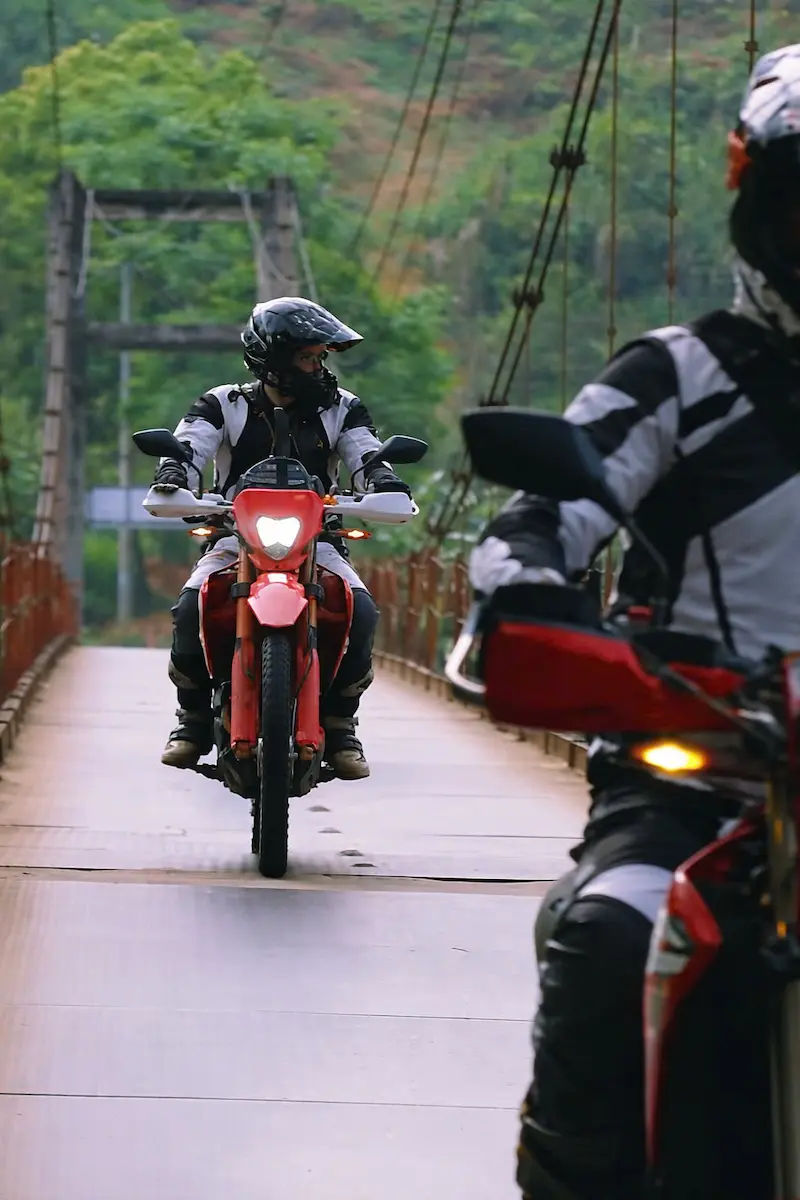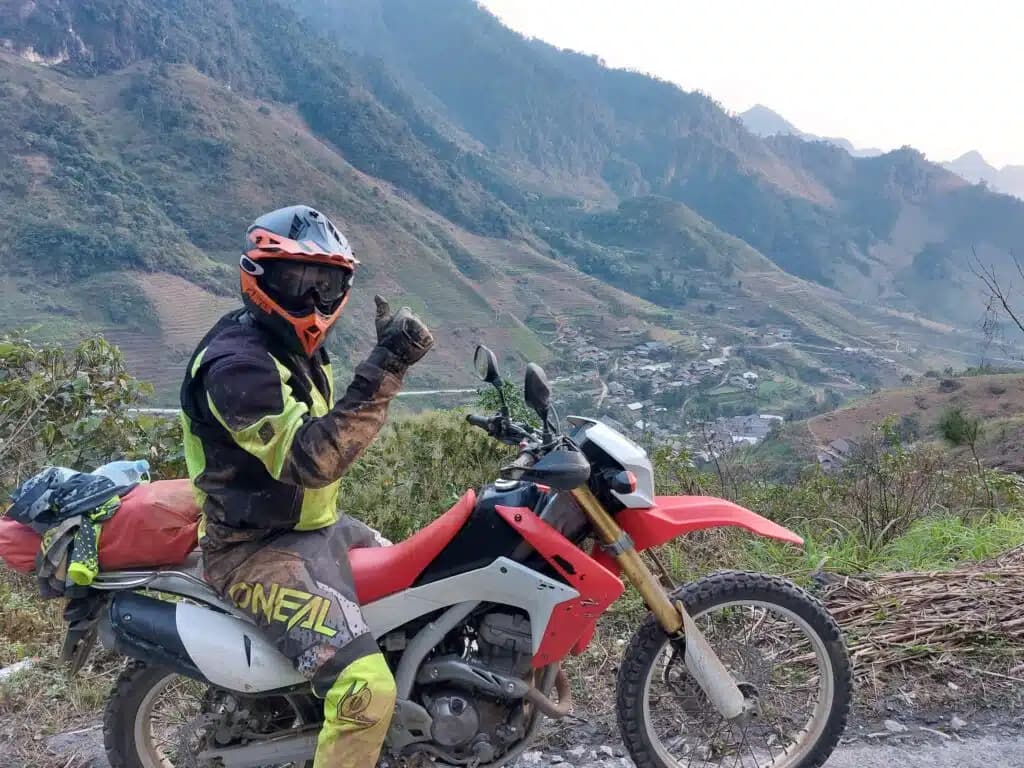
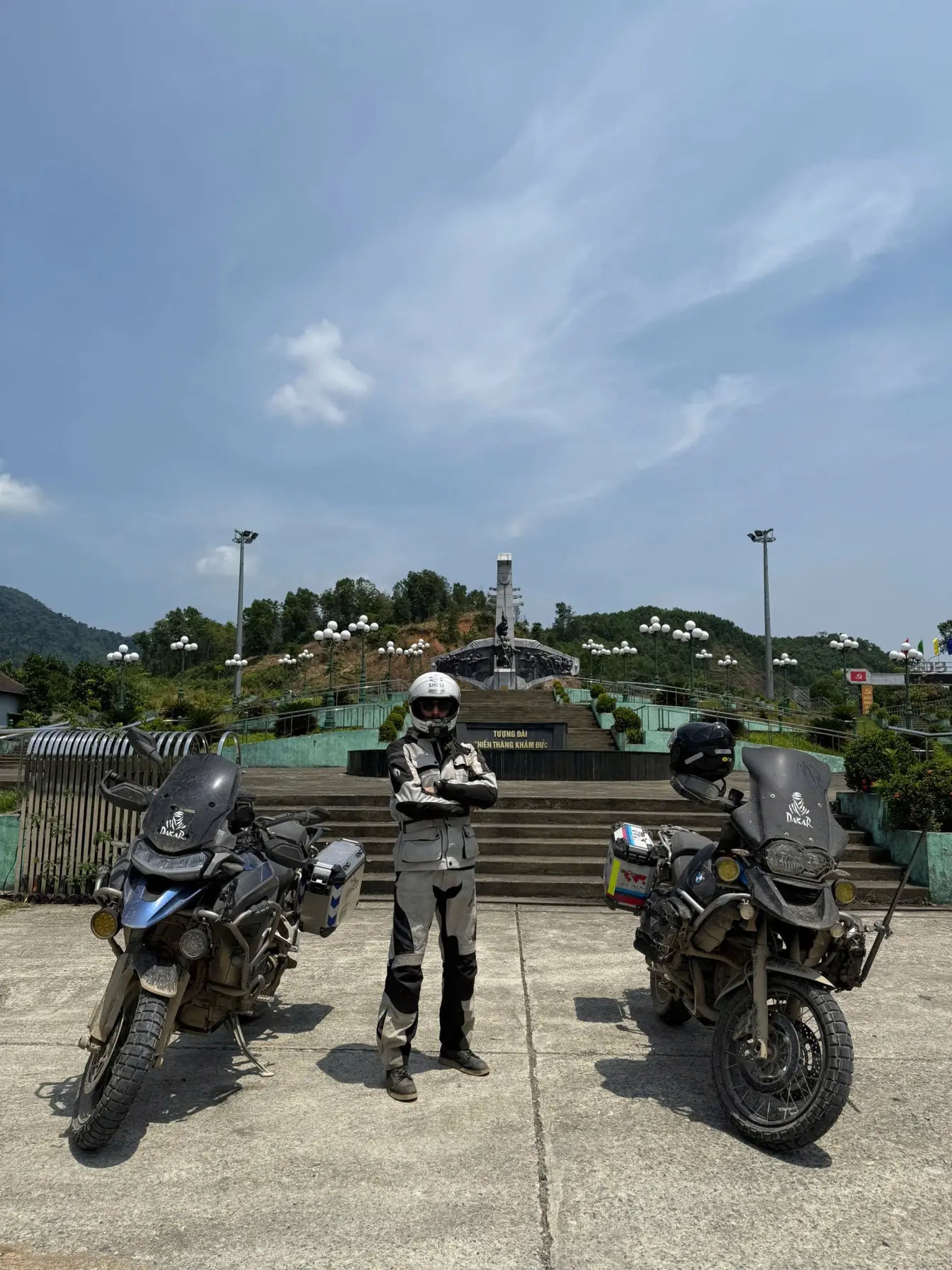

Vietnam’s verdant landscapes and winding coastal highways beckon riders from across the globe, yet navigating the country’s motorcycle regulations demands careful attention. Foreign tourists seeking to experience Vietnam’s roads legally must understand the nation’s specific licensing requirements, documentation procedures, and enforcement practices. The regulations governing foreign riders differ significantly from those applying to Vietnamese citizens, with particular emphasis on international driving permits, motorcycle classifications, and insurance obligations. Whether planning to rent a scooter in Hanoi’s bustling streets or embark on an extended journey along the coastal highways, understanding these legal frameworks protects riders from substantial fines, vehicle impoundment, or complications with travel insurance claims.
Legal Requirements for Foreign Riders
Essential documents you must carry:
- Valid passport with appropriate visa
- International Driving Permit (IDP) with motorcycle endorsement
- Original driver’s license from your home country
- Motorcycle registration papers or rental agreement
- Proof of valid insurance coverage
Foreign riders entering Vietnam’s traffic network face a multilayered documentation system that varies considerably from Western standards. The International Driving Permit remains the cornerstone of legal riding, yet many travelers discover too late that not all IDPs satisfy Vietnamese authorities.
Your permit must specifically include the A-class endorsement for motorcycles, and it must accompany your original license at all times. Vietnamese law recognizes IDPs issued under the 1968 Vienna Convention on Road Traffic, though enforcement varies by region. Northern provinces tend toward stricter interpretation, while coastal areas sometimes display more flexibility. The registration documents prove particularly crucial during police checks, as officers verify the motorcycle’s legal status before examining your credentials.
Insurance coverage, while theoretically mandatory, operates within a complex framework where international policies may not receive recognition. Riders should obtain specific Vietnamese motorcycle insurance from rental agencies or insurance providers, ensuring coverage meets local standards rather than relying solely on travel insurance policies that frequently exclude motorcycle-related incidents.
- Frequently Asked: Is Ha Giang Loop Dangerous?
- See 11 day North Vietnam motorbike tours

Vietnam Traffic Rules Explained
Vietnam’s traffic patterns follow conventions that initially perplex Western riders, yet beneath the apparent chaos lies a functional system built on spatial awareness and constant negotiation. The country officially mandates right-side driving, though implementation becomes fluid in practice as riders navigate around street vendors, parked vehicles, and livestock. Speed limits theoretically cap urban riding at 50 kilometers per hour, while rural highways permit 60 to 80 kilometers per hour depending on road classification.
These limits exist more as suggestions than firm boundaries, with enforcement concentrated around schools, hospitals, and government buildings. Intersections operate under formal traffic light systems in major cities, yet smaller towns rely on yield-based priority where larger vehicles claim precedence and smaller motorcycles flow around them like water finding paths through stone. Horn usage serves as essential communication rather than aggression, signaling presence and intention in the constant dance of traffic.
Overtaking occurs on either side when space permits, and riders must develop peripheral awareness that extends beyond Western driving habits. Lane markings provide loose guidance rather than strict boundaries, with three marked lanes often accommodating five rows of motorcycles during peak periods. Right turns on red lights remain prohibited unless specifically indicated, though this rule sees frequent violation in practice.
- Check out Best things to do in Ta Xua on a motorbike tour
- See 15 day Hanoi to Ho Chi Minh City motorbike tours

Helmet and Safety Gear Laws
Vietnam enforces universal helmet requirements for all motorcycle operators and passengers, a regulation born from devastating accident statistics that prompted governmental action in 2007. The law specifies helmets meeting Vietnamese safety standards, identified by stamps indicating compliance with QCVN 2:2008/BKHCN certification. International helmets bearing DOT, ECE, or SNELL ratings technically require additional Vietnamese certification, though enforcement of this particular requirement remains inconsistent.
Rental shops frequently provide helmets with rental packages, yet these often comprise lightweight shells offering minimal protection in serious collisions. Discerning riders bring their own certified helmets from home or purchase quality options from reputable Vietnamese retailers in major cities. Hanoi and Ho Chi Minh City host specialty shops stocking internationally recognized brands, though prices exceed those found in Western markets.
The helmet must be properly fastened while riding, with chin straps secured and helmets positioned correctly on the head rather than perched loosely atop. Police target improperly worn helmets as readily as absent ones during enforcement checks. Beyond legal mandates, Vietnam’s tropical climate encourages riders toward minimal protective gear, yet road conditions warrant consideration of additional protection. Quality riding gloves, sturdy footwear, and abrasion-resistant clothing provide crucial defense against both minor spills and major incidents.

Police Checks and Fines
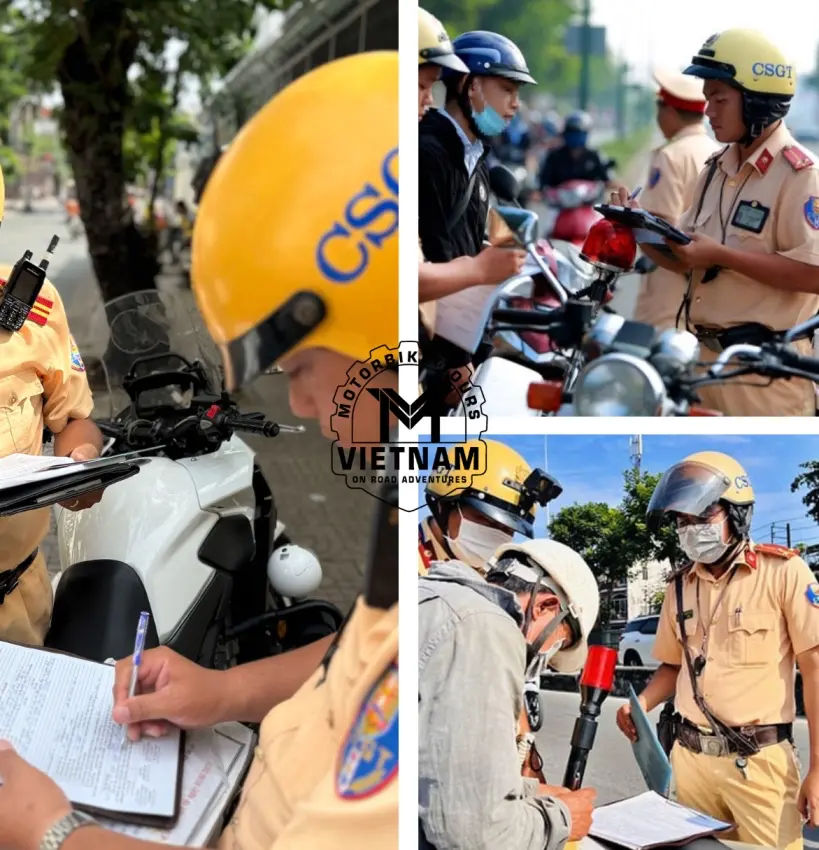
Traffic police maintain visible presence throughout Vietnam’s roadway network, particularly along popular tourist routes and urban corridors where foreign riders congregate. Checkpoints appear with regularity near provincial boundaries, tourist destinations, and during holiday periods when enforcement intensifies. Officers signal riders to stop through whistle blasts and hand gestures, directing them toward designated stopping areas off the main traffic flow.
The interaction typically begins with document requests, officers examining licenses, permits, and registration papers while assessing the rider’s compliance with basic regulations. Foreign riders attract particular attention, partly from legitimate enforcement concerns and partly from officers anticipating potential fine revenue. Official fine schedules exist, ranging from 400,000 to 800,000 Vietnamese dong for license violations, and 100,000 to 200,000 dong for helmet infractions. However, roadside negotiations often deviate from official rates, with officers suggesting immediate cash payments at reduced amounts rather than formal citation processes.
- Note: 1USD is equal to 26000 VND
Riders maintaining calm demeanor and producing complete documentation sometimes receive warnings rather than fines, particularly when demonstrating genuine effort toward compliance. Understanding basic Vietnamese phrases helps considerably during these encounters, as does photographing any citation received. Officers must provide written receipts for fines collected, though this practice sees inconsistent application in remote areas where accountability diminishes.
- Check out How much does it cost to travel to Vietnam in 2026?
- See how to buy & register a motorbike in Vietnam
Motorcycle Rental Regulations
Vietnam’s motorcycle rental industry operates largely outside formal regulatory frameworks, creating a marketplace where quality and legitimacy vary dramatically between providers. Legitimate rental agencies require copies of passports and valid licenses before releasing motorcycles, maintaining logs of equipment condition and customer information. These established businesses typically offer newer motorcycles with proper registration, insurance coverage, and maintenance records.
In contrast, informal rental arrangements through hotels or street-level operators frequently bypass documentation requirements entirely, handing over motorcycles for cash deposits without verifying rider credentials or explaining legal obligations. This convenience comes weighted with substantial risk, as these motorcycles often lack proper registration, carry expired or nonexistent insurance, and may be reported stolen if the renter encounters problems.
Rental agreements should explicitly detail the motorcycle’s condition, included equipment, insurance coverage, breakdown procedures, and deposit return policies. Photographic documentation of existing damage protects renters from fraudulent repair claims upon return. Daily rental rates span from 100,000 dong for basic scooters to 500,000 dong for larger displacement touring motorcycles, with longer-term rentals negotiating reduced daily rates. Quality agencies provide helmets, basic tools, and emergency contact numbers, along with brief orientation regarding the motorcycle’s operation and local traffic patterns. Riders should test the motorcycle’s brakes, lights, horn, and handling before departing, as mechanical issues discovered mid-journey become the renter’s problem.
Penalties for Law Violations
- No valid license: 2,000,000 to 4,000,000 dong plus possible impoundment
- Drunk riding: Up to 8,000,000 dong with deportation risk
- Red light violations: 800,000 to 1,000,000 dong
- Wrong-way riding: 400,000 to 600,000 dong
- No helmet or improper use: 100,000 to 200,000 dong
Vietnamese traffic law establishes graduated penalty structures corresponding to violation severity, though actual enforcement demonstrates considerable regional variation and situational flexibility. Riding without proper licensing documents triggers fines between 2,000,000 and 4,000,000 dong, with potential motorcycle impoundment until documentation gets resolved.
Drunk riding carries particularly severe consequences, with blood alcohol violations resulting in fines reaching 8,000,000 dong plus license suspension for domestic operators, though foreign riders face deportation risk for serious intoxication cases. Running red lights incurs 800,000 to 1,000,000 dong penalties, while wrong-way riding on one-way streets costs 400,000 to 600,000 dong. Accidents involving injuries or property damage escalate matters significantly beyond simple traffic violations, potentially triggering criminal investigations and civil liability claims. Foreign riders involved in accidents face complex legal proceedings, language barriers, and extended visa complications while cases resolve.
Insurance status becomes critical during accident investigations, as uninsured riders bear full financial responsibility for damages and medical costs. Traffic violations accumulate on temporary records during tourist stays, with multiple infractions raising scrutiny levels at subsequent checkpoints.
- Check out North Vietnam motorbike tours
- See Sapa motorbike tours from Hanoi
FAQs: Can Foreigners Ride Motorbikes in Vietnam Legally?
What are the main motorcycle laws for foreign riders in Vietnam?
Foreign riders must carry a valid International Driving Permit with motorcycle endorsement, original home license, passport, registration papers, and proof of insurance. Helmets are mandatory for all riders and passengers.
Do tourists need special permits to ride legally?
Yes. Tourists require an International Driving Permit (IDP) issued under the 1968 Vienna Convention with A-class motorcycle endorsement, plus their original driver’s license from their home country.
What penalties can tourists face for traffic violations?
Fines range from 100,000 dong for helmet violations to 8,000,000 dong for drunk riding. Serious violations can result in motorcycle impoundment, visa cancellation, and deportation.
Conclusion
Navigating Vietnam’s motorcycle regulations demands diligence, yet the reward of exploring this captivating country by motorcycle justifies the preparation. Foreign riders who invest time understanding licensing requirements, traffic conventions, and penalty structures position themselves for rewarding journeys through mountain passes and coastal highways. Proper documentation, quality safety gear, and reputable rental arrangements transform potential legal complications into mere formalities.
The key lies in approaching Vietnam’s roads with respect for local regulations and awareness of enforcement realities, ensuring your riding adventure remains focused on the country’s stunning landscapes rather than roadside negotiations with traffic police. Ready to ride? Check out out Vietnam best motorbike tours
About the author
Hamid specializes in motorcycle safety and legal regulations for foreign tourists. He researches licensing requirements before every trip, riding extensively from Vietnam’s north to south.