Vietnam can be safe for riding a motorcycle, specially on tours if you approach it with the right preparation and realistic expectations. The key difference lies in your choice: guided tours with professional support are significantly safer, while solo riding demands strong skills and constant defensive driving. You’ll need proper licensing (an International Driving Permit is required), and you should treat yourself as invisible on the road, assuming other drivers won’t see you. The traffic looks chaotic but follows patterns you can learn. Minor scams and occasional police stops happen, but they’re manageable with awareness. Your experience level matters more than the destination itself. Beginners should start with smaller bikes in rural areas, avoid city rush hours, and seriously consider joining a guided tour. With careful planning and honest self-assessment of your riding abilities, Vietnam’s roads can offer an incredible adventure rather than a dangerous gamble.
- Check out our carefully planned motorbike tours in Vietnam

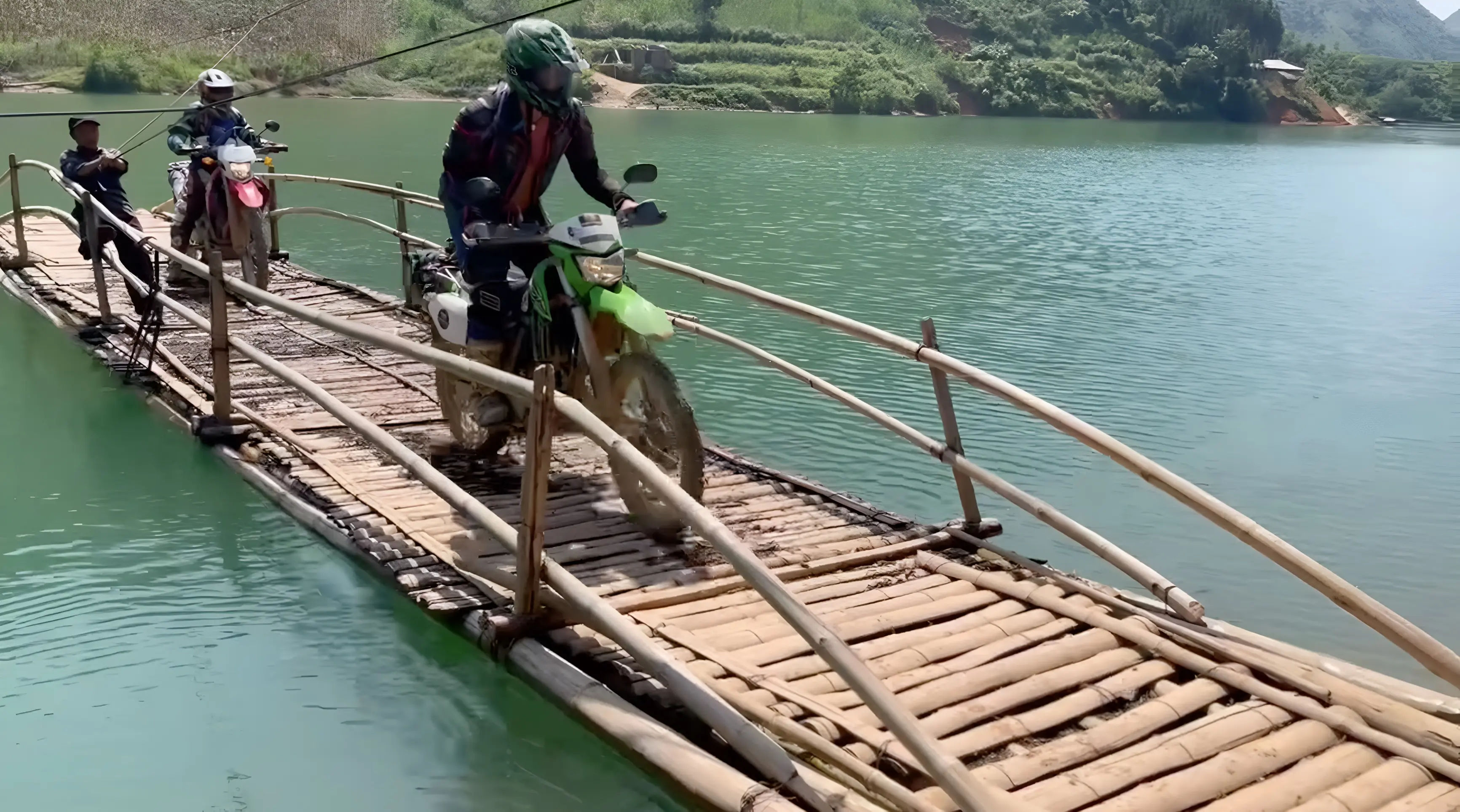

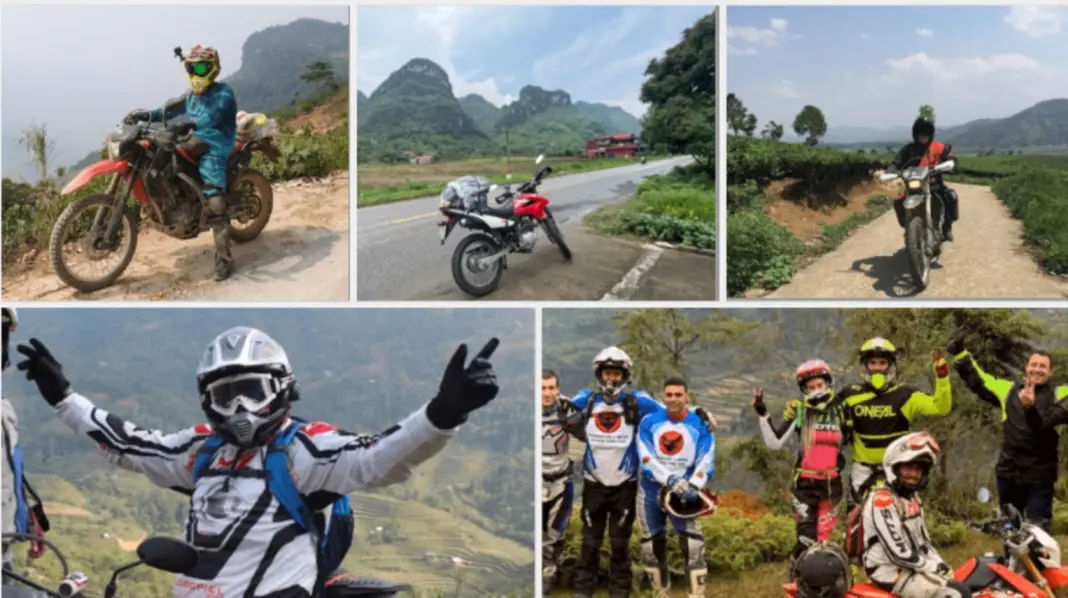
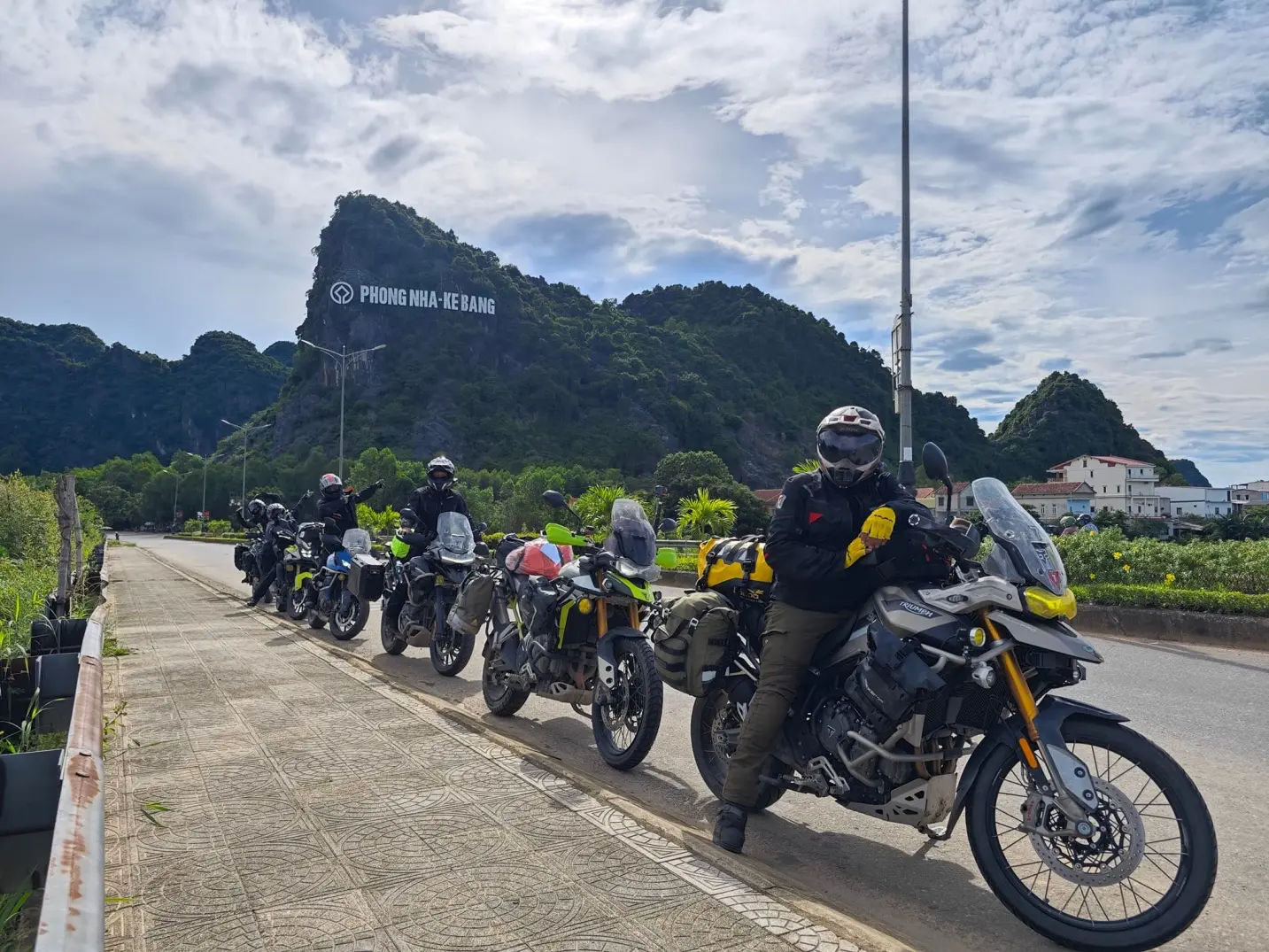

Overall Safety in Vietnam
Vietnam ranks as a relatively safe country for travelers, with violent crime against tourists being rare. The main safety concerns revolve around traffic accidents rather than personal security. Petty theft exists in tourist areas, but it’s not rampant compared to other Southeast Asian destinations. Most locals are genuinely helpful and welcoming toward foreign visitors.
The real danger comes from the roads, where Vietnam has one of the highest traffic fatality rates in the region. However, this statistic mostly involves local commuters, not tourists on guided tours. Your accommodation will be secure, restaurants are generally clean, and you can walk around cities at night without major concerns. The police presence is visible but not intrusive. Scams targeting tourists do happen, particularly around currency exchange or motorbike rentals, but they’re usually minor financial inconveniences rather than serious threats.
Healthcare in major cities like Hanoi and Ho Chi Minh City meets international standards, though rural areas have limited facilities. Overall, if you focus on road safety and use common sense with your belongings, Vietnam provides a secure environment for motorcycle touring.
- Check out: What’s the motorbike tour in Vietnam & Who’s best for?
- See 11 day North Vietnam motorbike trip

Understanding Local Traffic Culture
Traffic in Vietnam operates on an entirely different logic than Western countries. There are rules, but enforcement is inconsistent, and local riders navigate by proximity and flow rather than strict lane discipline. Horns aren’t aggressive signals but communication tools that mean “I’m here” rather than “get out of my way.”
Expect motorcycles to ride against traffic on the wrong side of the road if it’s convenient, and sidewalks often serve as extra lanes during congestion. Red lights are treated more like suggestions, especially early morning or late night when intersections are empty. The concept of right-of-way doesn’t exist in the way you’re used to. Bigger vehicles generally have priority, but everyone merges simultaneously in a constant dance of near-misses that somehow works.
Drivers rarely check mirrors or signal before turning. This creates a system where you must ride defensively and assume nobody sees you. The chaos has rhythm once you understand it. Traffic moves slower than it appears, giving you time to react. Local riders are skilled at reading these patterns from childhood, while foreign riders need days or weeks to adapt. Rush hour in cities is genuinely dangerous with density making accidents more likely. Outside urban centers, traffic thins dramatically, but you’ll encounter livestock, street vendors, and unmarked road hazards instead.
Common Risks for Motorbike Riders
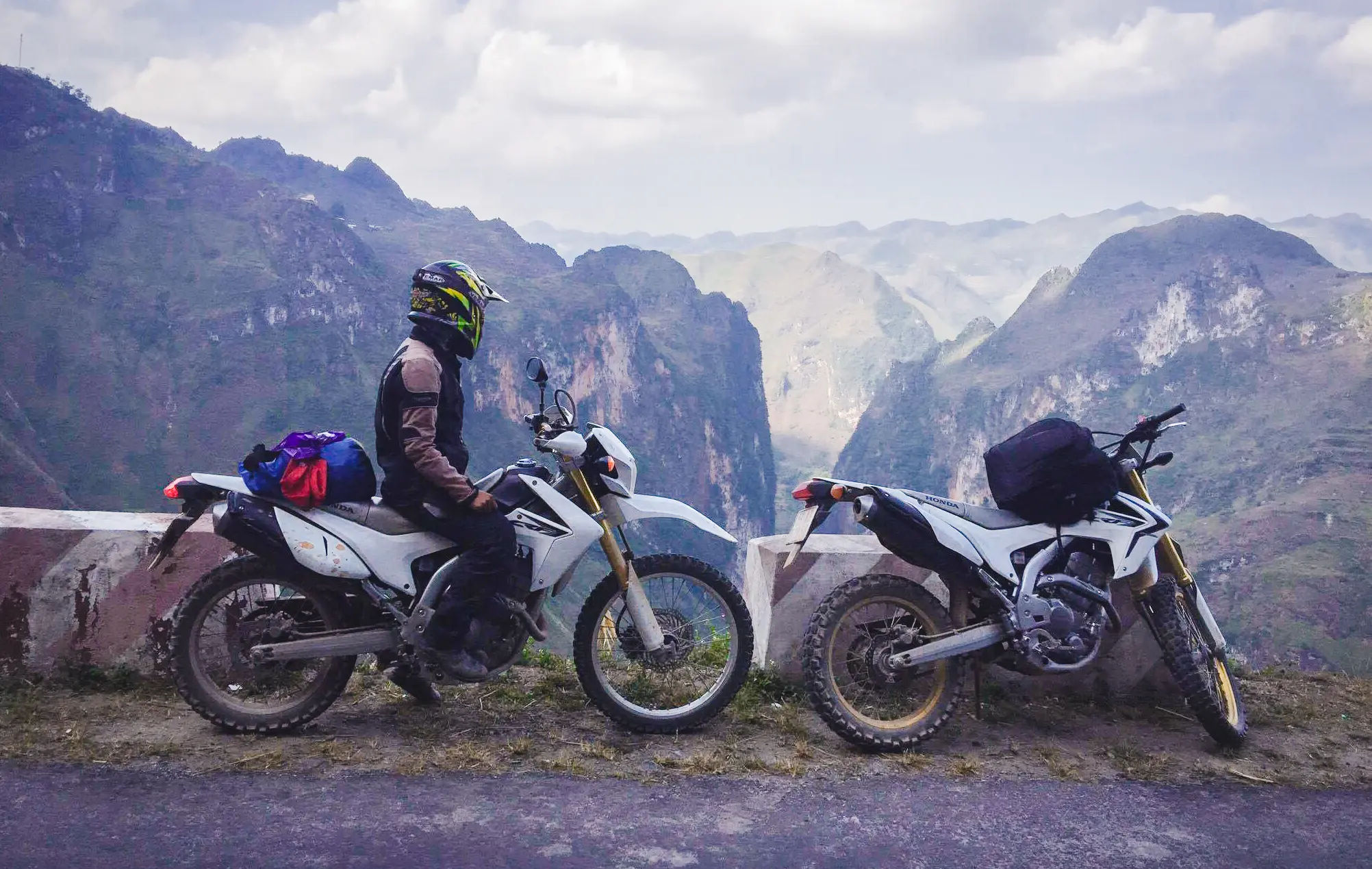
The most serious risk is collisions with other vehicles, particularly at intersections where drivers don’t signal or check blind spots. Head-on crashes happen when riders misjudge passing maneuvers on narrow roads or when someone rides the wrong way. Gravel, oil slicks, and potholes cause many single-vehicle accidents, especially during or after rain when roads become slippery.
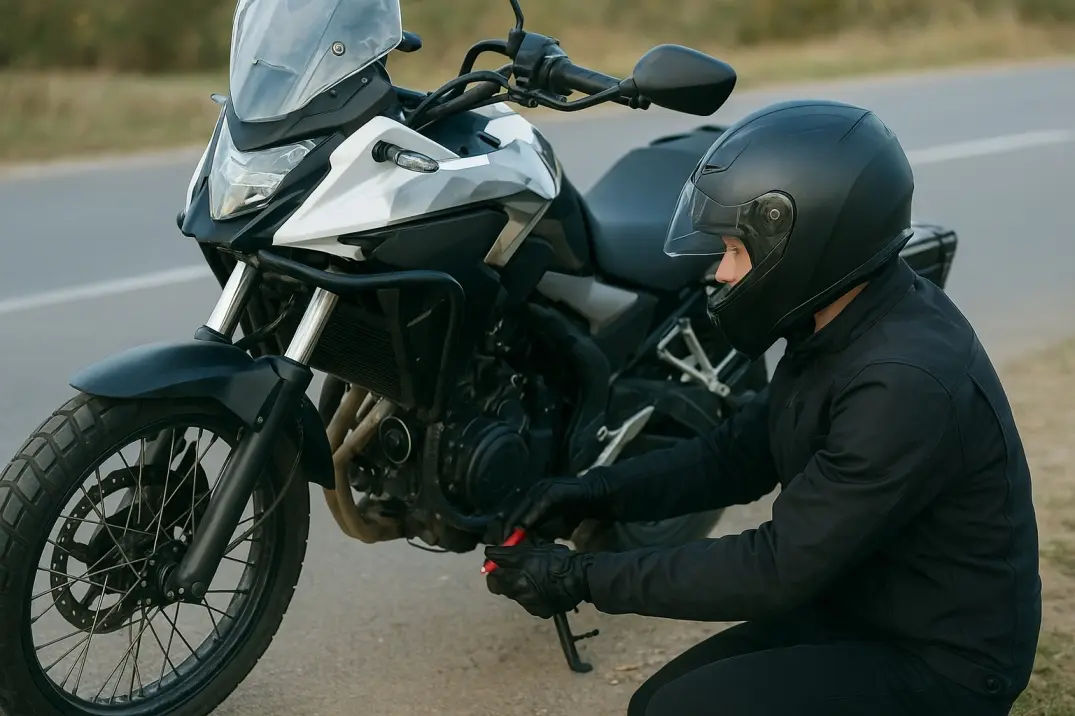
In mountainous regions, sharp curves with poor visibility and loose gravel on steep descents challenge even experienced riders. Mechanical failures occur frequently with rental bikes, which are often poorly maintained despite looking decent. Brake cables snap, throttles stick, and tires have insufficient tread. Animals crossing roads unexpectedly create sudden hazards, from dogs to water buffalo, and locals sometimes don’t leash their animals near highways. Fatigue is an underestimated danger when riders push through long distances without adequate breaks. Sun exposure and dehydration affect concentration and reaction time.
Police stops can be problematic if you lack proper documentation, leading to fines or bike confiscation. Minor scams around bike rentals include demanding payment for pre-existing damage or inflating repair costs after accidents. Road construction often lacks proper signage, and detours may be poorly marked or nonexistent, forcing you onto rough tracks. At night, unlit vehicles and pedestrians in dark clothing become nearly invisible, making after-dark riding particularly dangerous.
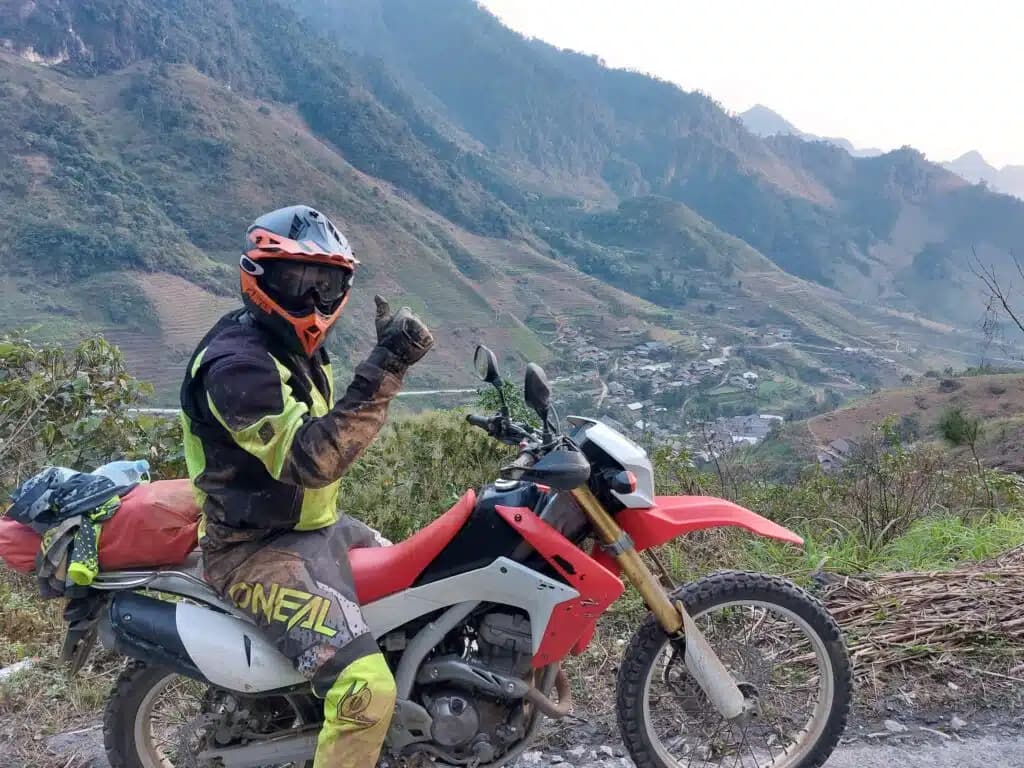
Safety Measures on Organized Tours
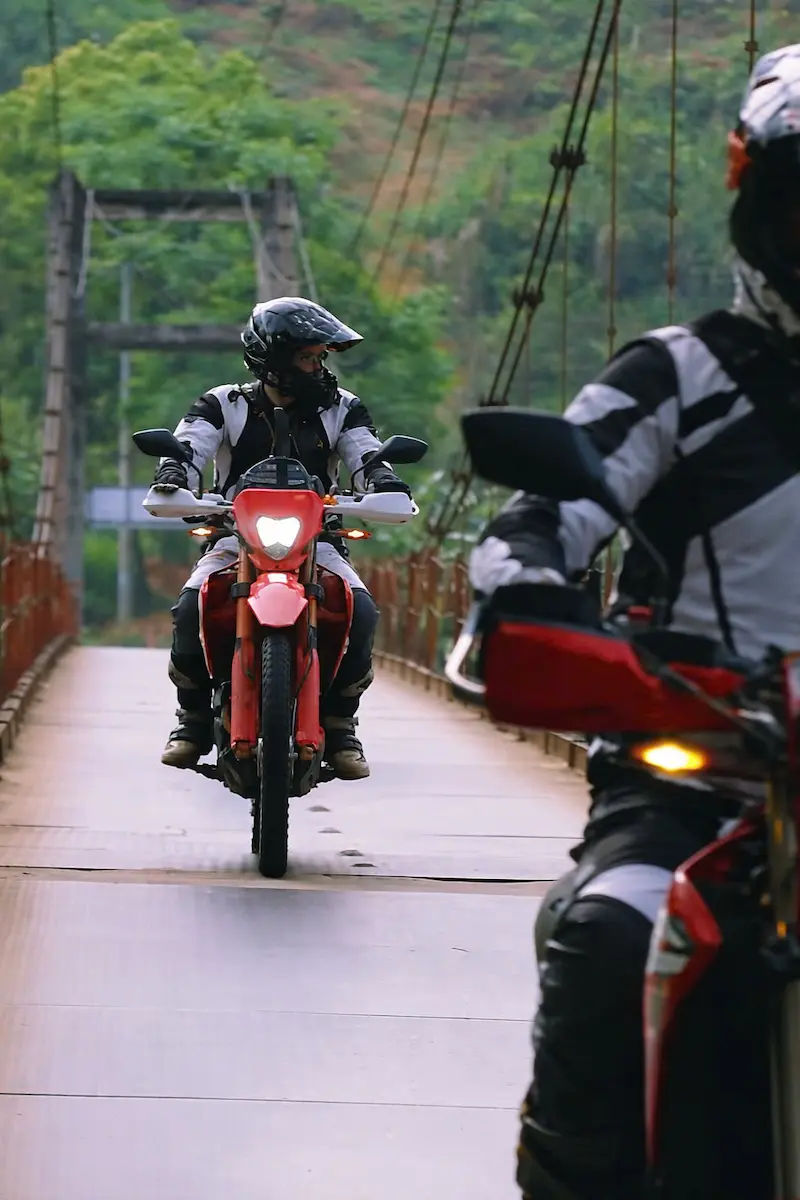
Reputable tour companies provide well-maintained bikes that receive regular mechanical checks before each trip. Guides scout routes in advance, knowing which roads have recent construction, dangerous sections, or seasonal hazards like flooding. They communicate via radio or phone apps to keep the group together and warn about upcoming obstacles. Professional guides understand local traffic patterns and position themselves to shield less experienced riders from the worst chaos, often leading through busy intersections or cities.
Some tour operators carry comprehensive insurance covering medical evacuation and accidents, something individual travelers often overlook. Support vehicles follow the group with spare parts, tools, and first aid supplies, meaning mechanical breakdowns don’t leave you stranded.
Guides know which hospitals provide quality care in each region and can communicate with medical staff in Vietnamese. Accommodation is pre-booked at reliable hotels rather than forcing you to search while exhausted after a long day riding. Route planning avoids the most dangerous roads while still showing you spectacular scenery. Groups ride at a manageable pace that matches the slowest rider rather than pushing everyone beyond their skill level. Guides handle police interactions and understand local requirements for foreign riders, reducing stress around documentation.
They also know trustworthy mechanics, restaurants, and fuel stops along the route. The daily briefings cover specific hazards for that day’s ride, weather conditions, and what to expect. This professional infrastructure dramatically reduces your risk compared to winging it alone.
Health and Medical Considerations
Medical facilities in Hanoi and Ho Chi Minh City offer excellent care with English-speaking doctors and modern equipment, but rural hospitals lack resources and trained staff. Travel insurance with specific motorcycle coverage is essential because standard policies often exclude riding motorcycles or scooters above certain engine sizes. Medical evacuation from remote areas can cost tens of thousands of dollars without insurance.
Common health issues include heat exhaustion, dehydration, and sunburn since you’re exposed to elements all day. Motion sickness affects some passengers on winding mountain roads. Minor injuries like road rash from small falls need immediate cleaning to prevent infection in the humid climate. Pollution in cities can trigger respiratory issues, especially for riders with asthma. Upset stomachs from unfamiliar food are common but rarely serious if you stay hydrated. Mosquito-borne diseases like dengue fever occur in certain regions, making insect repellent necessary. Rabies exists in Vietnam, so any animal bite requires immediate medical attention and possibly vaccination. Pharmacies are widely available and sell many medications over the counter, but quality can be questionable.
Bring essential medications in original packaging with prescriptions. Jet lag combined with long riding days creates genuine fatigue that impairs judgment. Helmets prevent many head injuries, but you need a quality full-face helmet rather than the thin shells locals often wear. Pre-existing conditions can be aggravated by physical demands of multi-day riding, so assess your fitness honestly before committing to a tour.
- Check out Ho Chi Minh Trail motorbike tour
- See 8 day northwest Vietnam motorbike tour
- Useful guide: How to get a Vietnamese driving license
| Factor | Guided Motorcycle Tour | Solo Riding | Risk Level |
|---|---|---|---|
| Traffic Navigation | Experienced guides lead through traffic and dangerous areas | Rider must interpret chaotic traffic alone | Low / High |
| Bike Condition | Regularly serviced, checked before every ride | Rental bikes often poorly maintained | Low / Medium–High |
| Breakdowns & Repairs | Support vehicle, tools, mechanics available | You handle repairs or risk being stranded | Low / High |
| Police Stops | Guide manages documents and communication | Language barriers and fines more likely | Low / Medium |
| Medical Emergencies | Guides know hospitals and evacuation routes | Limited help in remote areas | Low / High |
| Navigation | Pre-planned safe routes | Getting lost common in rural regions | Low / Medium–High |
| Overall Safety | Highly controlled and beginner-friendly | Depends entirely on rider skill | Low / High |
Solo vs Group Riding Safety
Solo riding offers complete freedom but places all responsibility on you for navigation, mechanical issues, and emergencies. You have nobody to help if you crash in a remote area or if your bike breaks down far from towns. Getting lost happens easily since 4G mobile signals can be unreliable in mountains and road signs are often in Vietnamese only. Solo riders must carry tools, spare parts, and know basic motorcycle repair or risk being stranded.
You’ll negotiate accommodations and meals yourself, which can be challenging with language barriers. Police interactions become more complicated without a guide to translate or advocate for you. The psychological pressure of handling everything alone wears on some people after several days. However, experienced riders who speak some Vietnamese and have mechanical knowledge can navigate Vietnam successfully solo, choosing their own pace and routes. Group riding with a tour provides constant support and shared experience but limits your flexibility. You must keep the group’s pace even if you want to go faster or slower.
Photo stops and meal breaks happen on schedule rather than when you feel like it. Other riders’ skill levels affect the group, sometimes holding everyone back or creating pressure to keep up. Groups offer built-in social interaction, which solo travelers might miss. The safety difference is substantial for less experienced riders, with groups having dramatically lower accident rates. Solo riders face higher risks but potentially richer rewards in terms of authentic interactions and personal achievement. Your choice should reflect your riding experience, mechanical knowledge, language skills, and comfort with uncertainty.
FAQs: Is it safe to ride a motorcycle in Vietnam?
How safe is Vietnam for motorcycle touring?
Vietnam is reasonably safe for motorcycle touring if you have proper riding experience and documentation. Guided tours are significantly safer than solo rides. The main dangers come from chaotic traffic, poor road conditions, and inexperienced riders overestimating their abilities. With defensive riding skills, a valid International Driving Permit, and realistic self-assessment, most riders complete tours without serious incidents. Beginners should avoid solo touring and stick to professional guided groups.
What are the biggest safety risks riders face?
The biggest risks include collisions at unmarked intersections, poorly maintained rental bikes with mechanical failures, unexpected road hazards like potholes and livestock, and riding beyond your skill level on mountain passes. Police stops without proper licensing can result in fines and bike impoundment. Heat exhaustion and fatigue impair judgment on long riding days. Rush hour traffic in Hanoi and Ho Chi Minh City is particularly dangerous for inexperienced riders.
How can travelers minimize risks on motorcycle tours?
Join a reputable guided tour if you’re not an experienced rider. Always obtain an International Driving Permit before arriving. Wear quality protective gear including a full-face helmet. Practice on smaller bikes in quiet areas before attempting long distances. Ride defensively and assume other drivers don’t see you. Avoid city rush hours and night riding. Get comprehensive travel insurance that specifically covers motorcycle accidents. Stay hydrated, take regular breaks, and never ride beyond your actual skill level regardless of group pressure.
Conclusion: Vietnam Motorcycle Tour Safety Guide
Vietnam motorcycle touring offers genuine adventure but demands respect for real risks. Your safety depends on honest self-assessment of riding skills, proper licensing with an International Driving Permit, and choosing between guided support or solo independence. Traffic chaos is manageable with defensive riding and patience, while mechanical issues and road hazards require constant alertness. Beginners should always choose professional guided tours with vetted equipment and local expertise. Experienced riders can handle solo trips but need comprehensive insurance and mechanical knowledge. The country welcomes riders who prepare thoroughly, ride defensively, and understand that Vietnam’s roads reward caution over confidence. Plan smart, ride safe, and the experience delivers. Checkout our most amazing Northern Vietnam motorbike tours
About the author
Hamid is an adventure riding safety guide specializing in briefings for international riders. His expertise has been featured in British motorcycle magazines, focusing on practical risk management and tour preparation.