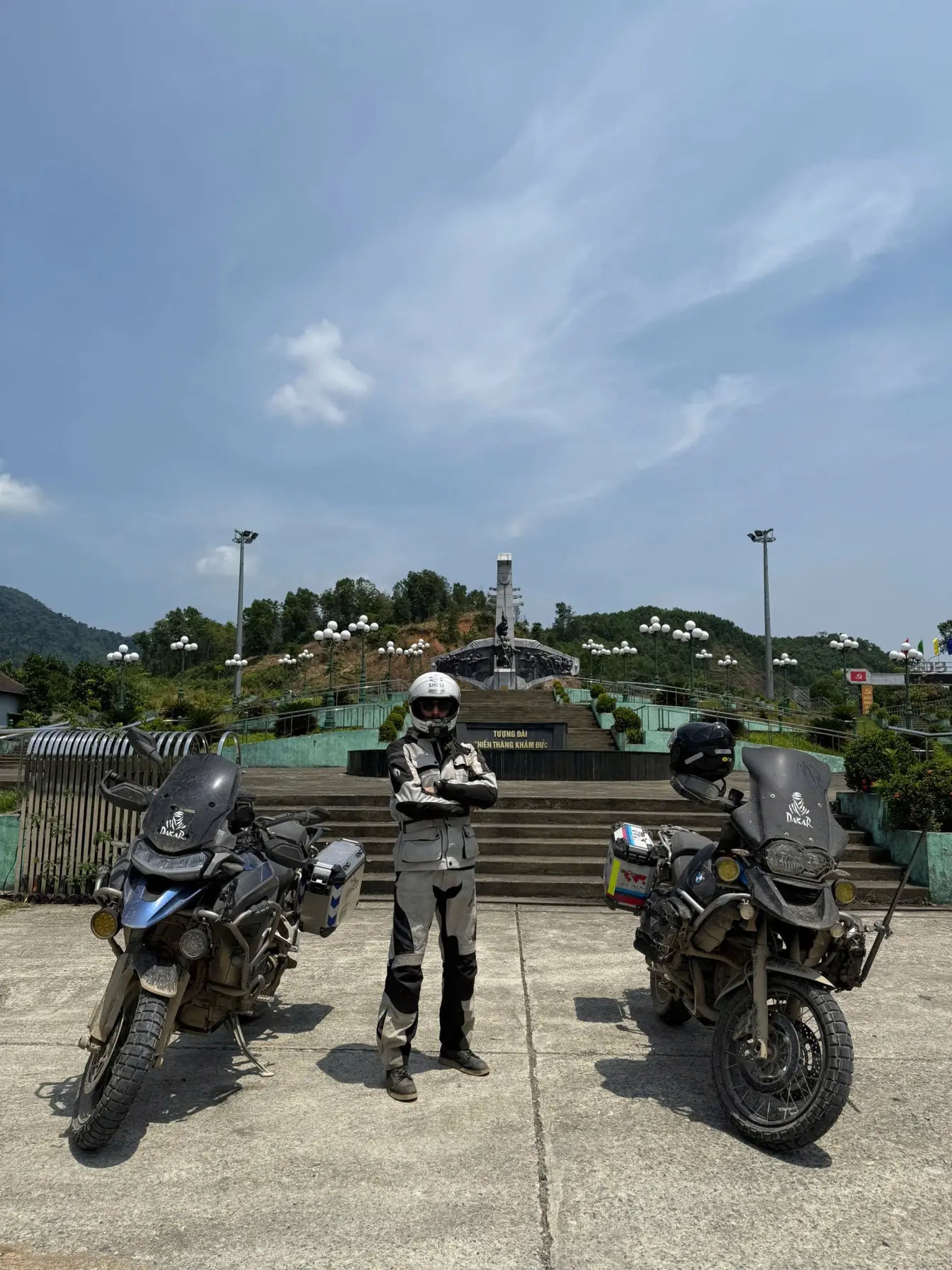

Riding motorbikes through Vietnam offers adventurous experiences combined with significant road challenges. Urban centers like Hanoi and Ho Chi Minh City feature chaotic traffic conditions where thousands of scooter riders navigate congested streets using horn signals for communication. Rural routes have been hugely improved but still present distinct hazards including deteriorated pavement with potholes, free-roaming animals, road debris, and sudden weather changes affecting surface conditions. Vietnamese driving culture follows flexible traffic rule interpretation, with horn usage indicating driver intentions and merging executed through confident weaving maneuvers. Successful motorbike travel demands continuous alertness, quality protective safety gear, well-maintained vehicle equipment, and rapid adaptation to Vietnam’s unique traffic flow patterns and ongoing infrastructure construction detours.
- Check out Best motorbike Tours in Vietnam


Overview of Vietnam’s Road Network
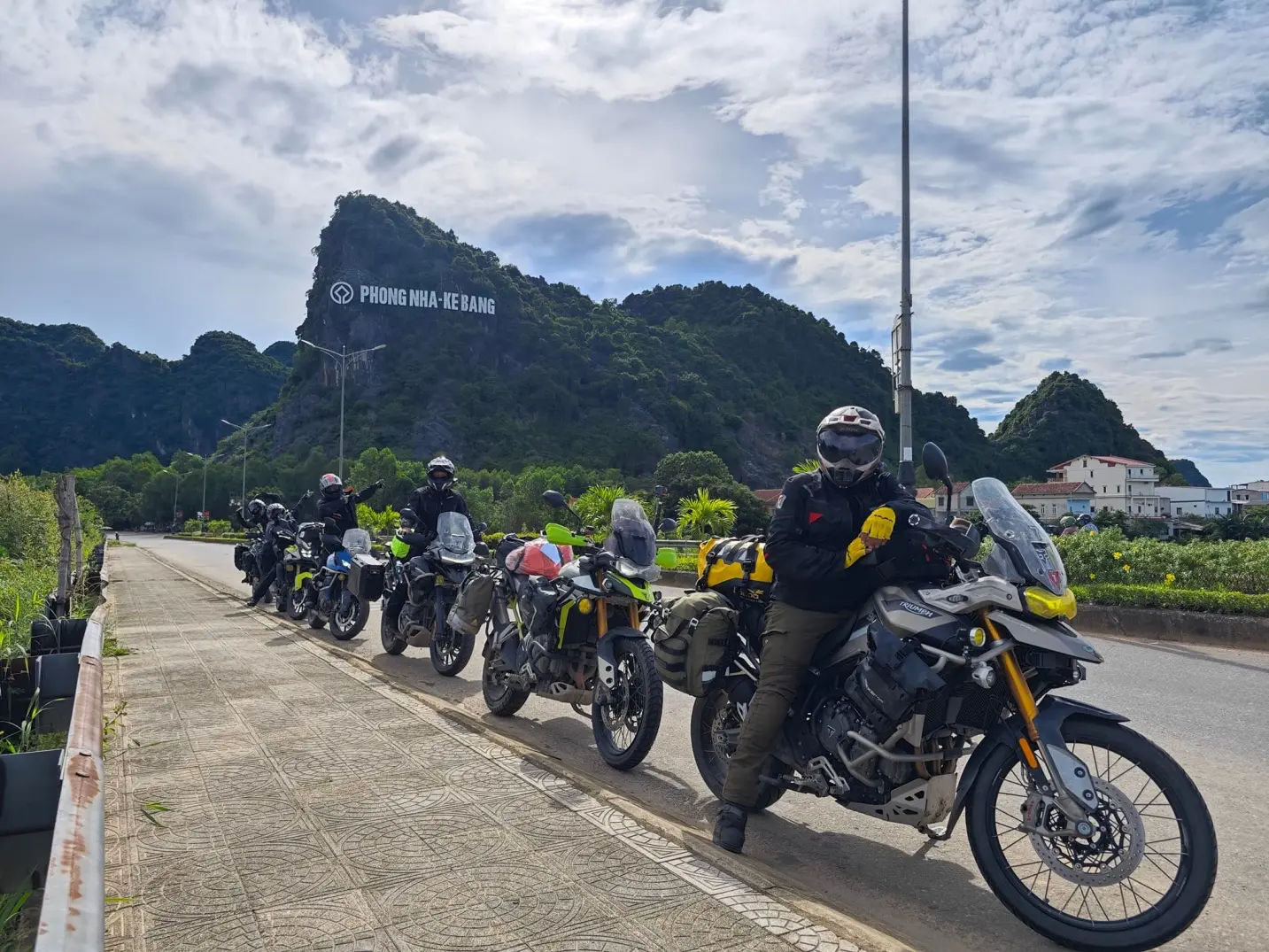
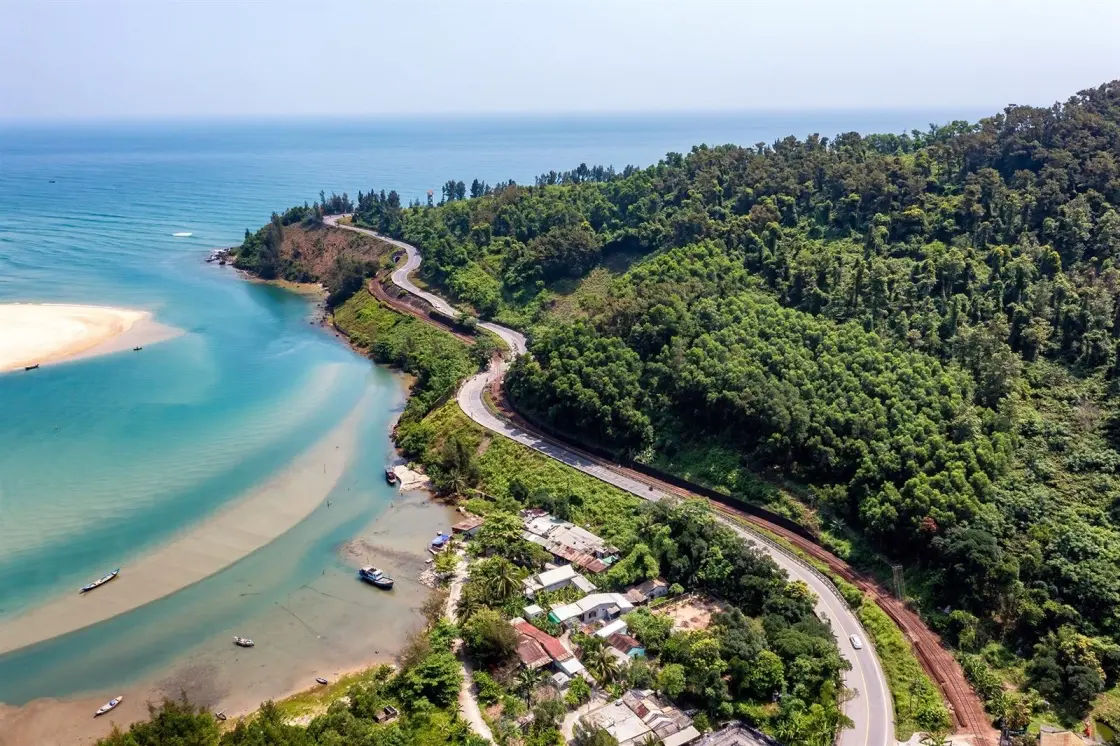
Vietnam’s road infrastructure encompasses 450,000+ kilometers connecting backroads and urban centers via national highways and provincial routes to rural areas. National Highway 1A provides primary north-south connectivity for long-distance on-road rides. Urban roads feature paved surfaces with traffic control systems, while provincial routes demonstrate variable asphalt quality and maintenance standards.
Government infrastructure investment has upgraded tourism corridors including Ha Giang Loop and Da Lat regions, though secondary roads maintain rough conditions. Coastal highway routes typically offer superior surface quality compared to inland alternatives. GPS navigation assists route planning but may not reflect active construction zones or seasonal road closures. Vietnam’s road numbering system designates lower numbers for major highways, with signage clarity varying regionally. Riders encounter significant quality transitions from modern expressways to deteriorated provincial road sections during single-journey experiences.
| Road Type | Surface Condition | Common Hazards | Traffic Level | Safe Riding Speed |
|---|---|---|---|---|
| Urban City Roads | Fully paved, frequent repairs | Dense traffic, sudden merging, pedestrians | Very High | 30–40 km/h |
| National Highways (QL1, QL14) | Good asphalt, wide lanes | High-speed buses, trucks, crossings | Medium to High | 60–80 km/h |
| Provincial Rural Roads | Cracked asphalt, gravel patches | Potholes, livestock, flooding | Low to Medium | 30–40 km/h |
| Mountain Passes | Mixed pavement, erosion zones | Sharp bends, fog, landslides, cliffs | Low | 20–35 km/h |
| Village & Local Roads | Concrete or compacted dirt | Children, animals, hidden speed bumps | Low | 20–30 km/h |
Highways vs Rural Roads
Vietnam’s national highways including QL1 and QL14 provide multi-lane asphalt surfaces with regular maintenance schedules, though urban proximity increases traffic density significantly. Major highway routes feature consistent patching, cleaning services, and shoulder zones for emergency maneuvering, with rest facilities spaced 30-50 kilometer intervals.
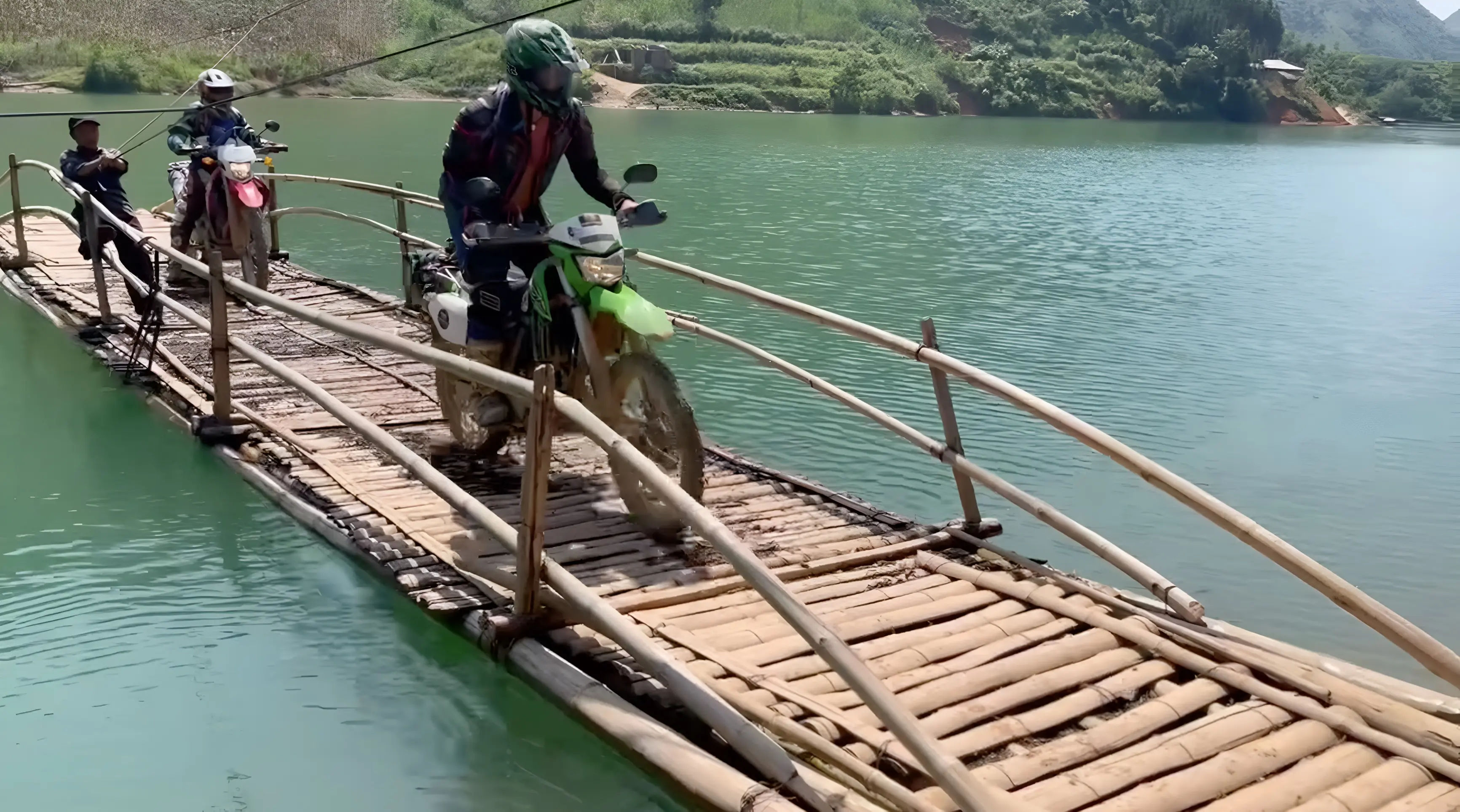
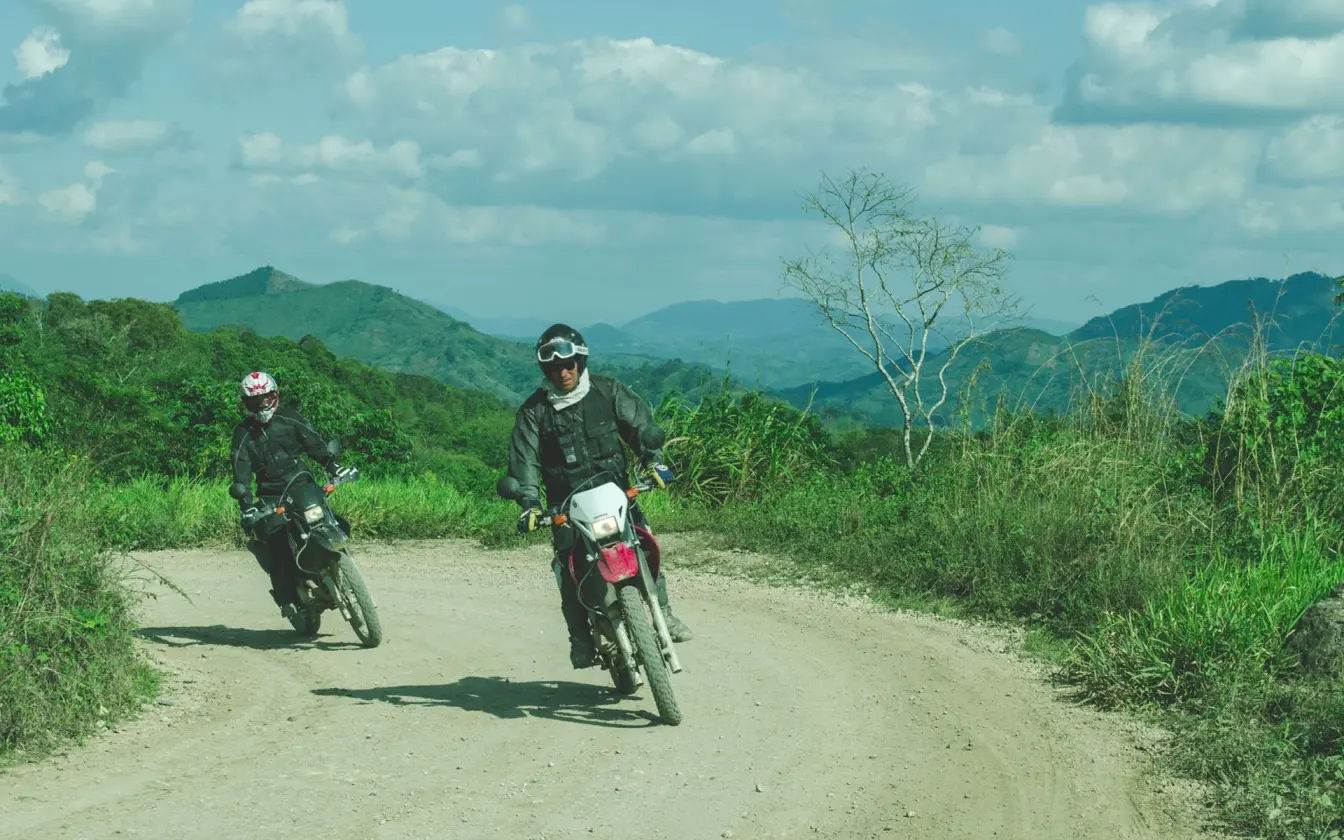
Provincial rural roads contrast sharply with single-lane widths requiring strategic passing maneuvers and extended sight distances. Rural route surfaces exhibit rapid deterioration including cracked pavement, loose gravel deposits, and complete asphalt erosion zones.
Inadequate drainage infrastructure creates standing water pools concealing deep pothole hazards. Street lighting concentrates near populated zones, creating dangerous night riding conditions on rural stretches. Rural traffic composition includes agricultural machinery, heavily-loaded cargo bicycles, and livestock groups occupying full lane dimensions. Highway speed regulations permit 60-80 km/h, while rural road safety necessitates 30-40 km/h maximum velocity.

Mountain Passes and Remote Roads
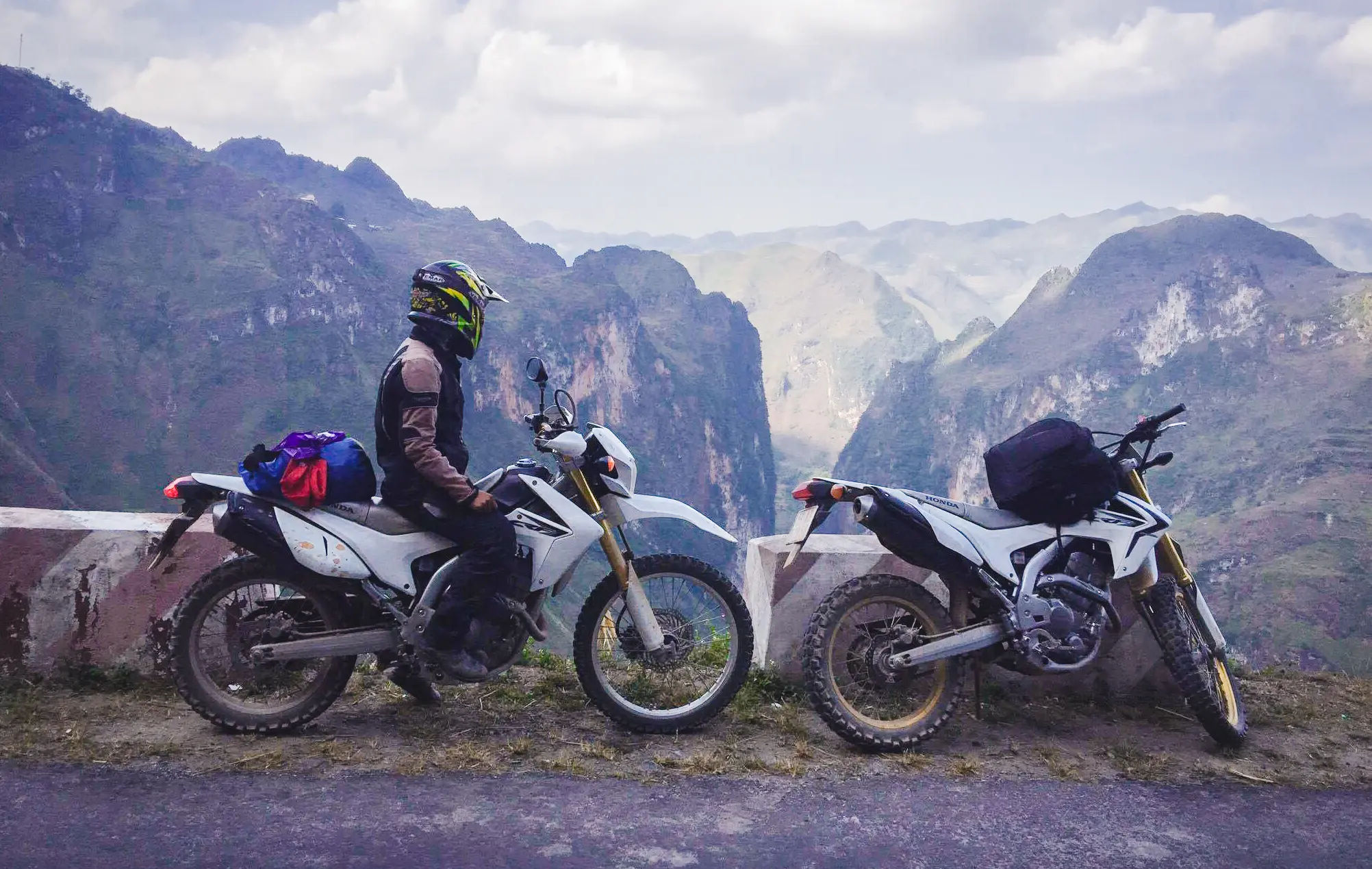
Northern mountain passes including Ma Pi Leng Pass and Hai Van Pass combine scenic vistas with significant technical riding challenges. Elevated mountain routes feature continuous switchback curves with 10-15 degree gradient inclines requiring precise throttle and braking technique.
Cliff-edge sections frequently lack safety barrier installations, exposing riders to hundred-meter vertical drops. Road widths narrow to minimal two-vehicle passing clearance, necessitating frequent yielding protocols. Surface conditions transition rapidly from maintained pavement to fractured asphalt or exposed bedrock foundations. Winter season morning fog reduces forward visibility below 20-meter distances in multiple route sections.
Rainy season landslide events deposit mud, rock debris, and obstacles across active travel lanes without advance warning. Commercial bus and truck operators navigate curves aggressively through intimate route knowledge, minimizing accommodation for slower traffic participants. Higher elevation zones create 5-10 degree temperature decreases affecting tire traction and engine operational performance. Mobile network coverage becomes unreliable, restricting emergency communication capabilities significantly.
- Check out Essential tips for motorcycle maintenance in rainy season
- See 7 day Ha Giang loop motorbike tour
Road Conditions in Small Villages
Village road infrastructure serves multiple functions accommodating mixed traffic, pedestrians, street vendors, children, and domestic animals within confined spaces. Pavement composition consists of basic concrete or compacted earth surfaces with extensive mud formation during precipitation events. Street dimensions typically measure under 3-meter widths, creating challenging navigation during opposite-direction vehicle encounters.
Resident motorbike parking practices reduce available travel space through irregular roadside positioning. Morning market periods generate peak congestion as vendor stalls extend operations onto primary travel surfaces. Free-roaming poultry and canine populations move unpredictably into active traffic zones without restraint systems. Unmarked speed control bumps measuring 15+ centimeters height pose damage risks for low-clearance vehicle configurations.
Roadside drainage channels remain partially concealed by vegetation growth and waste accumulation. Juvenile populations engage in recreational activities near traffic movement zones requiring immediate stopping capabilities. Local rider populations demonstrate elevated speed patterns reflecting comprehensive hazard familiarity and location-specific route knowledge.
- Check out Sapa best motorbike tours
- See Nature expedition motorcycle tours in northern Vietnam
- Find out: How to get International Driving Permit for Vietnam
Seasonal Challenges for Riders
Monsoon season spanning May through October significantly alters road surface conditions through heavy precipitation creating hydroplaning hazards and severely reduced visibility parameters. Coastal highway routes experience regular flooding during storm-amplified high tide events, generating 20-30 centimeter standing water depths across low-elevation road segments.
Wet conditions transform metal infrastructure elements including manhole covers and bridge expansion joints into high-slip-risk surfaces causing unexpected traction loss. Summer period March through May produces 35-40 degrees Celsius ambient temperatures, softening asphalt composition and creating adhesive surface characteristics affecting tire performance while escalating rider dehydration dangers. Typhoon season introduces rapid weather pattern shifts with wind velocities sufficient to destabilize lightweight motorbike trajectories. Northern region winter conditions produce 10-degree minimum temperatures with persistent fog coverage extending through midday hours.
Dry season spanning January through April generates significant dust accumulation coating road surfaces and diminishing cornering traction capacity. Agricultural burning practices create dense smoke dispersal across highway corridors, drastically limiting forward visibility distances. Seasonal variation necessitates specific preparation protocols addressing protective clothing, tire compound selection, and strategic route timing optimization.
- Check out the best time of the year to visit Vietnam (In General)
- See 14 day Motorcycle ride from Saigon to Hanoi
- Find out: Pillion friendly motorbike tours
How to Adapt to Road Conditions
Effective road condition adaptation requires velocity reduction matching actual surface parameters rather than regulatory speed limit signage. Observing local rider behavior patterns reveals current hazard locations and optimal navigation techniques through challenging road segments.
Defensive positioning strategies mandate maintaining 3-4 second minimum following distances from preceding vehicles. Continuous forward scanning at 50+ meter distances identifies approaching obstacles, surface characteristic transitions, and traffic flow pattern modifications. Proactive horn utilization before overtaking maneuvers or blind curve entry aligns with local audio-based communication preferences exceeding mirror dependency. Tire pressure adjustments optimize performance across varying surface types, with reduced pressure improving traction and comfort on deteriorated roads.
Daylight routing selection minimizes risks compared to dawn and dusk transition periods presenting compromised visibility conditions. Progressive braking practice on unfamiliar surfaces establishes grip threshold understanding before emergency stopping requirements arise.
Consistent right-lane positioning provides expanded escape route options while conforming to established local traffic flow expectations. Basic motorcycle maintenance skill development enables on-route mechanical adjustments when encountering unexpected condition deterioration scenarios.
- Check out Multi-day off-road tour in northern Vietnam
- See 9 Day Ho Chi Minh Trail motorbike tour from Hanoi to Hoi An
FAQs: Road Conditions in Vietnam
What are road conditions like in Vietnam for motorbikes?
Vietnam motorbike road conditions range from paved urban highways with dense traffic to rural routes featuring potholes, gravel, livestock hazards, and debris. Mountain roads include narrow lanes, sharp switchbacks, and minimal safety barriers. Riders encounter variable surface quality, active construction zones, and seasonal monsoon flooding.
Are rural and mountain roads well maintained?
Rural and mountain roads in Vietnam receive limited maintenance with prevalent cracked pavement, potholes, landslide debris, and unpaved segments. Remote routes lack lighting infrastructure, drainage systems, and protective barriers. Maintenance prioritizes major tourism routes while secondary roads experience significant deterioration.
How do traffic conditions differ between cities and countryside?
Urban Vietnam traffic presents dense motorbike congestion, continuous horn communication, and aggressive merging patterns. Rural countryside traffic flows lighter, including agricultural vehicles, livestock crossings, and unpredictable obstacles. City riding requires rapid reaction for dense navigation, while countryside demands heightened awareness for surface hazards and deteriorated road conditions.
Conclusion: Road Conditions for the first Time Riding A Motorbike In Vietnam
Vietnam road navigation requires comprehensive preparation, situational awareness, and adaptive riding strategies. Successful motorbike travel necessitates accepting urban traffic chaos, accommodating rural surface deterioration, and maintaining defensive operational habits.
Essential safety elements include quality protective equipment, well-maintained vehicles, and reduced velocity expectations across diverse terrain conditions. Daily riding realities encompass weather pattern shifts, livestock interactions, and immediate road hazard responses. Vietnamese driving culture differs substantially from Western traffic conventions, emphasizing horn-based communication over regulatory adherence and situational flexibility. Alert riders learning local behavioral patterns and adjusting performance expectations find Vietnam’s road challenges manageable through appropriate caution levels and realistic journey preparation protocols.
About the author
Hamid specializes in adventure riding across Vietnam’s backroads and off-road trails, guiding international riders through enduro routes while prioritizing safe navigation on challenging terrain.