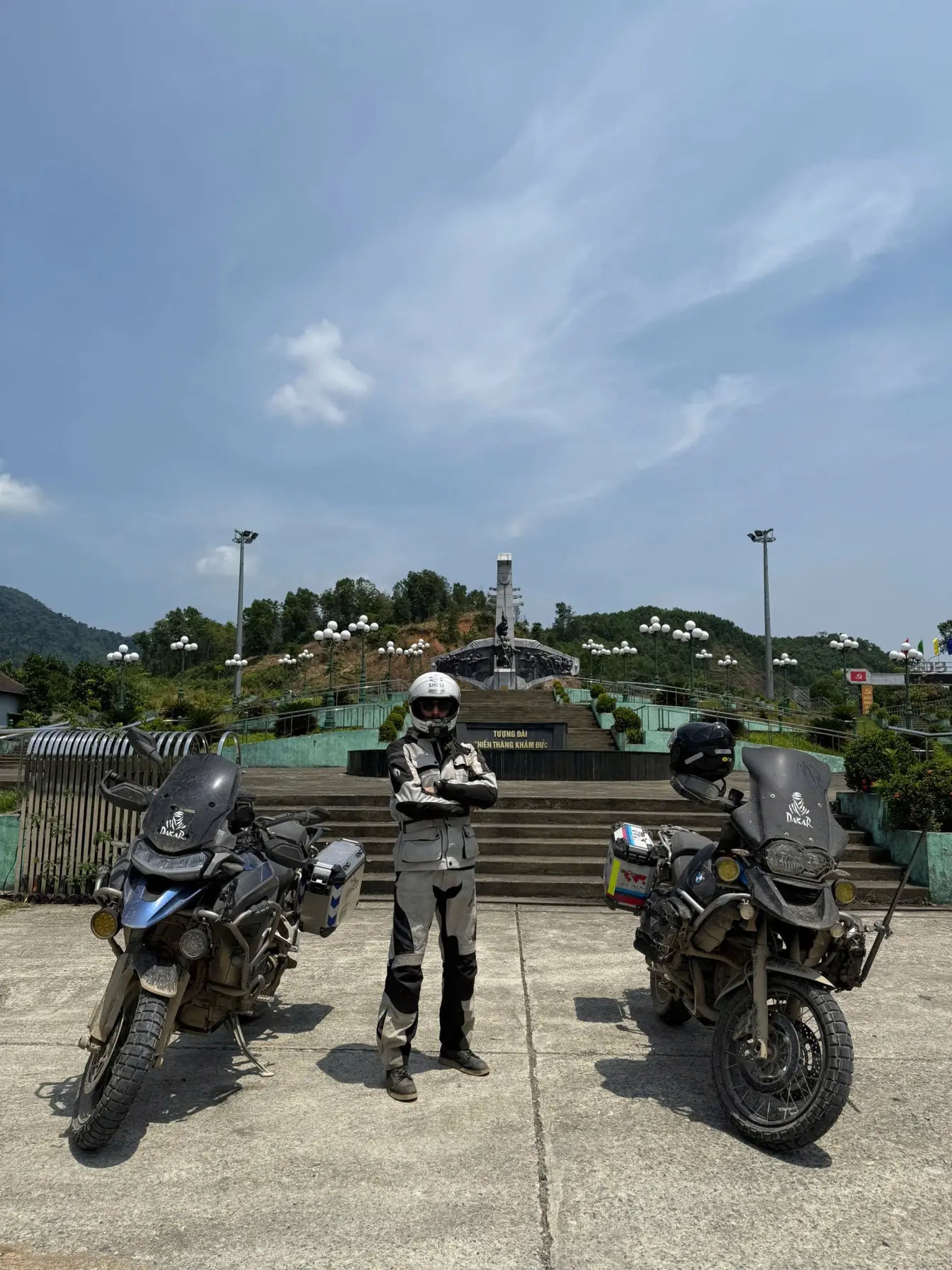
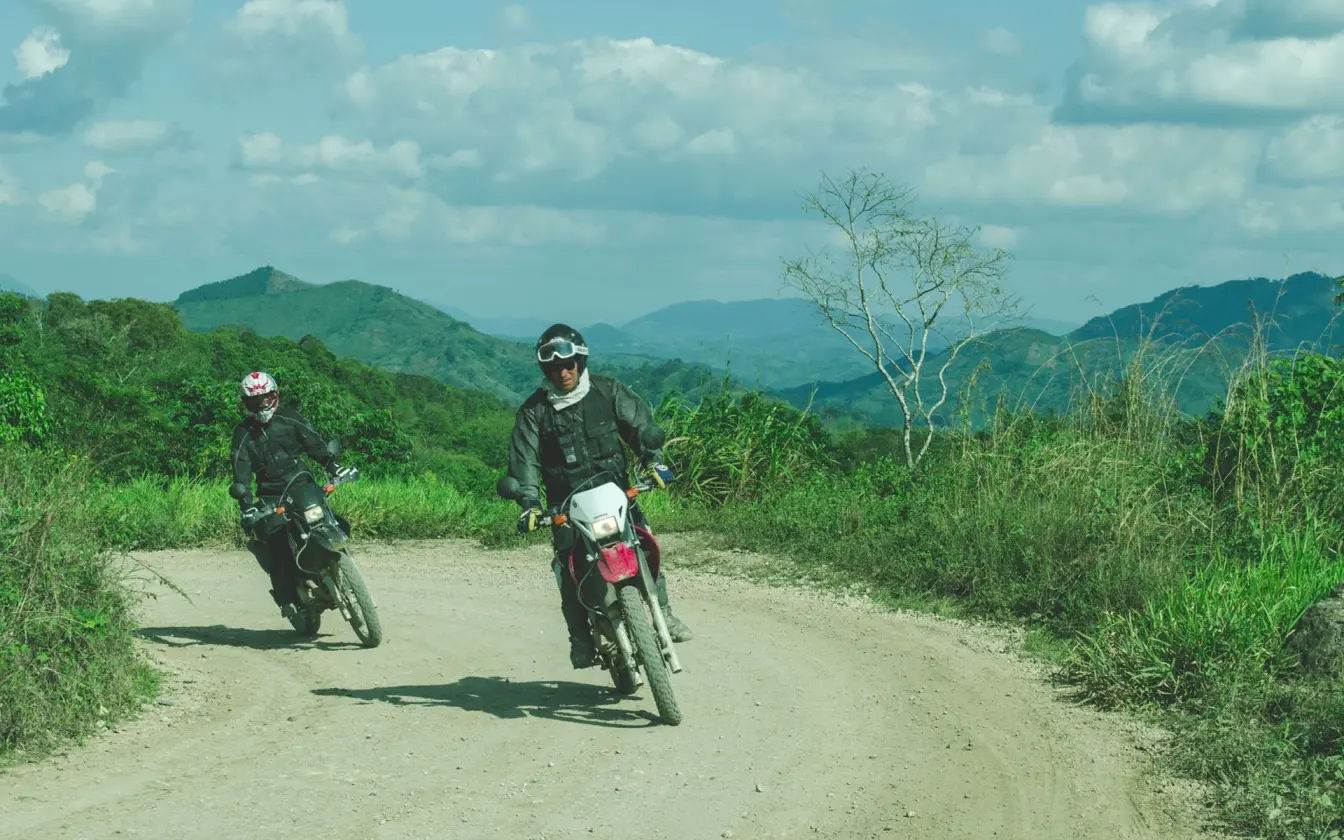
So picture this: you’re riding through Vietnam on a motorbike, right? Mountain passes one day, coastal roads the next, stopping wherever looks interesting. That’s basically what a motorcycle tour here is all about. It’s not some cookie-cutter vacation you’re actually getting into the real Vietnam, hitting up remote villages, trying street food in places tourists never see, riding routes like Ha Giang Loop that’ll honestly blow your mind. Whether you grab a guide or just rent a bike and figure it out yourself, it works for pretty much anyone who wants adventure over beach resorts.
- Check out our motorbike tours in Vietnam



What Is a Motorcycle Tour in Vietnam?
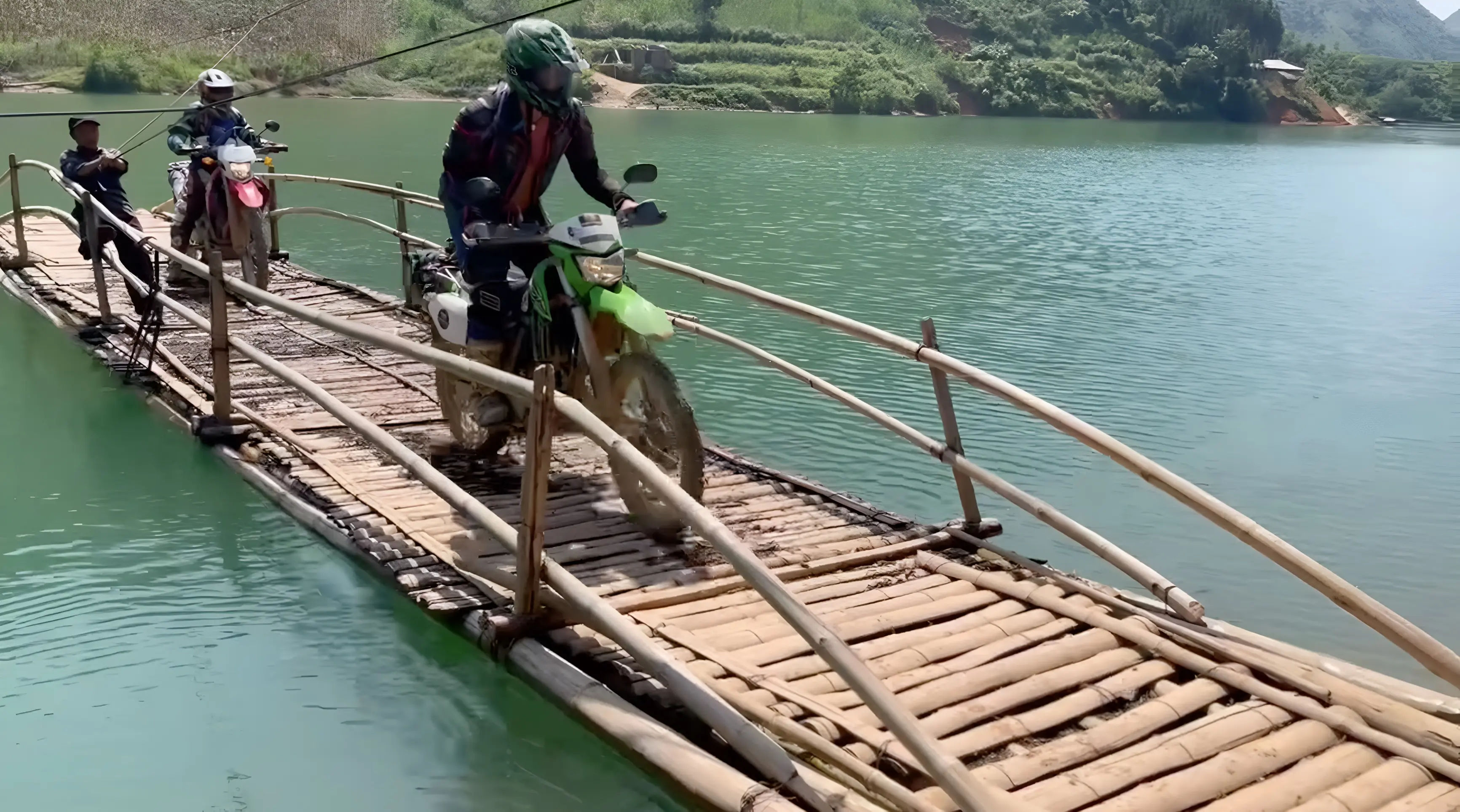
A motorcycle tour in Vietnam means exploring the on an on-road adventures, giving you freedom to reach places buses and cars simply can’t access. You’re talking narrow mountain roads cutting through terraced rice fields, coastal highways with ocean views, and dirt tracks leading to villages where foreigners rarely show up. The whole point is getting off the main tourist trail and seeing Vietnam the way locals actually experience it.
These tours range from a few days riding around Hanoi to month-long journeys covering the entire country north to south. You might start your morning in a bustling city, have lunch at a roadside stall run by a family who’s been there for generations, then spend the afternoon navigating switchbacks through mountains where the temperature drops twenty degrees. The bike becomes your ticket to authentic experiences, whether that’s stopping at a floating market in the Mekong Delta or pulling over to help a farmer fix their irrigation system.
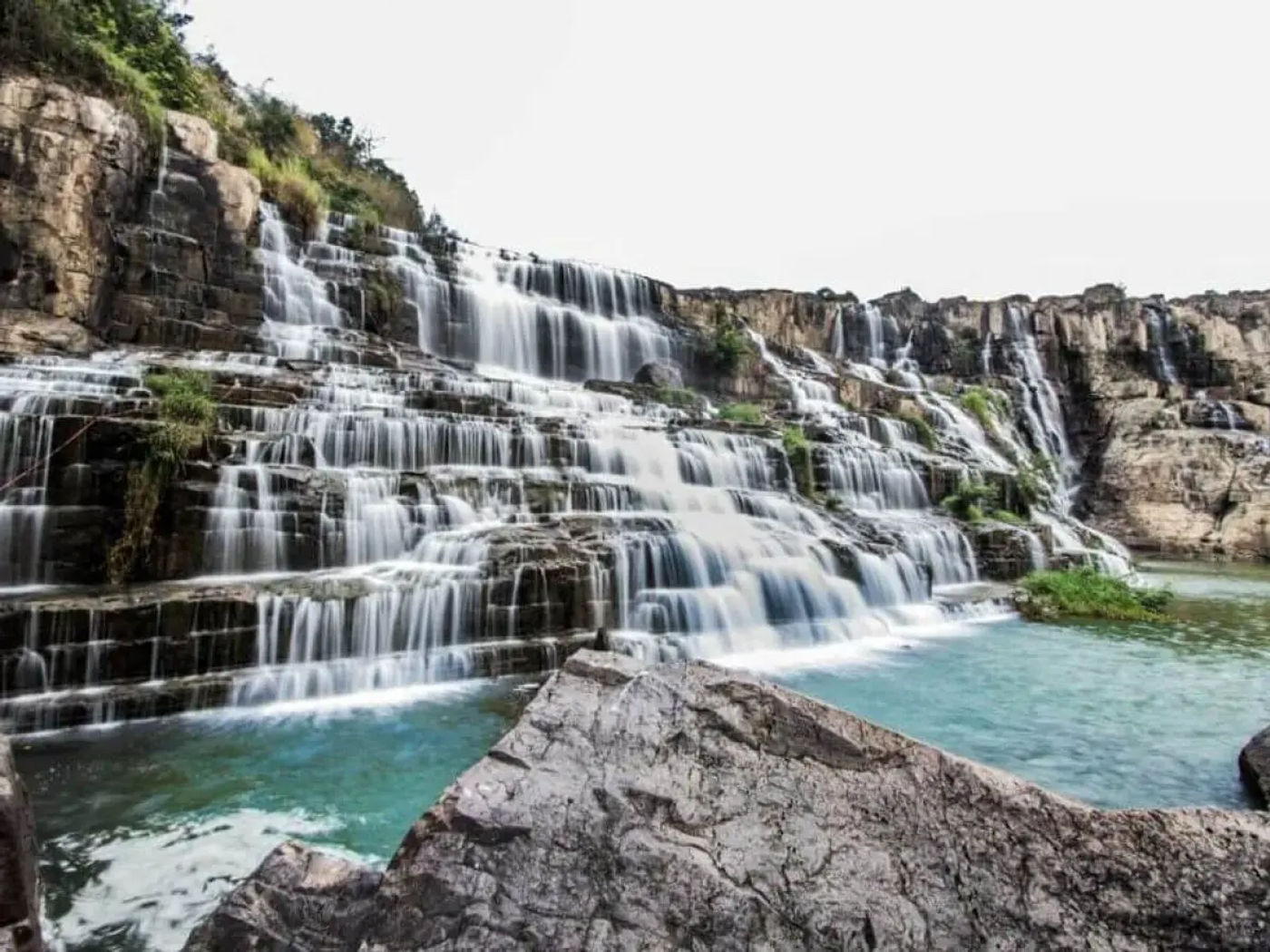
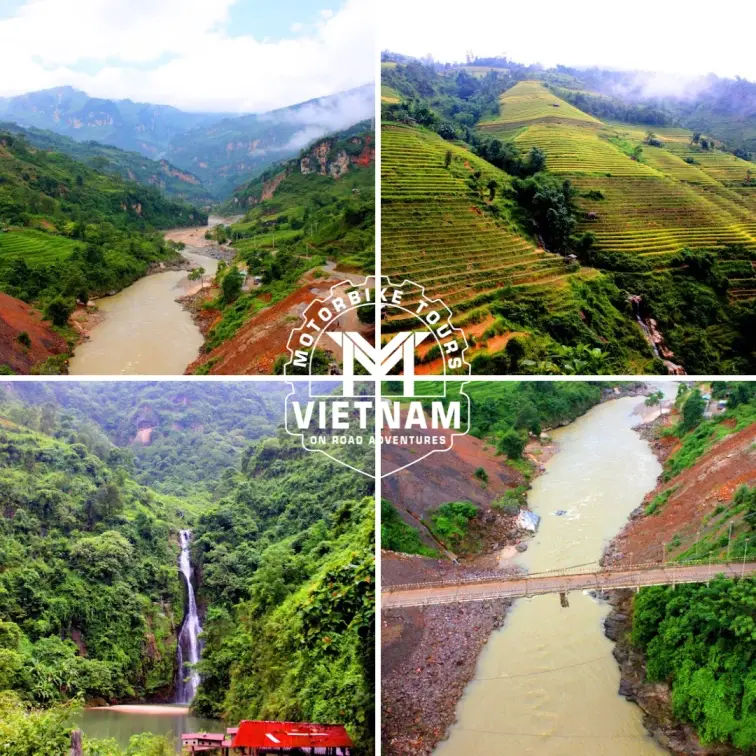
Most riders tackle famous routes like the Ha Giang Loop or the Ho Chi Minh Highway, but honestly, some of the best moments happen when you take random turnoffs and discover waterfalls, caves, or tiny coffee shops that aren’t in any guidebook. That spontaneity is what makes this style of travel so different from organized bus tours.
- See Multi-day tours in northern Vietnam
- Check out our best Ho Chi Minh Trail motorcycle tours

Types of Motorcycle Tours in Vietnam
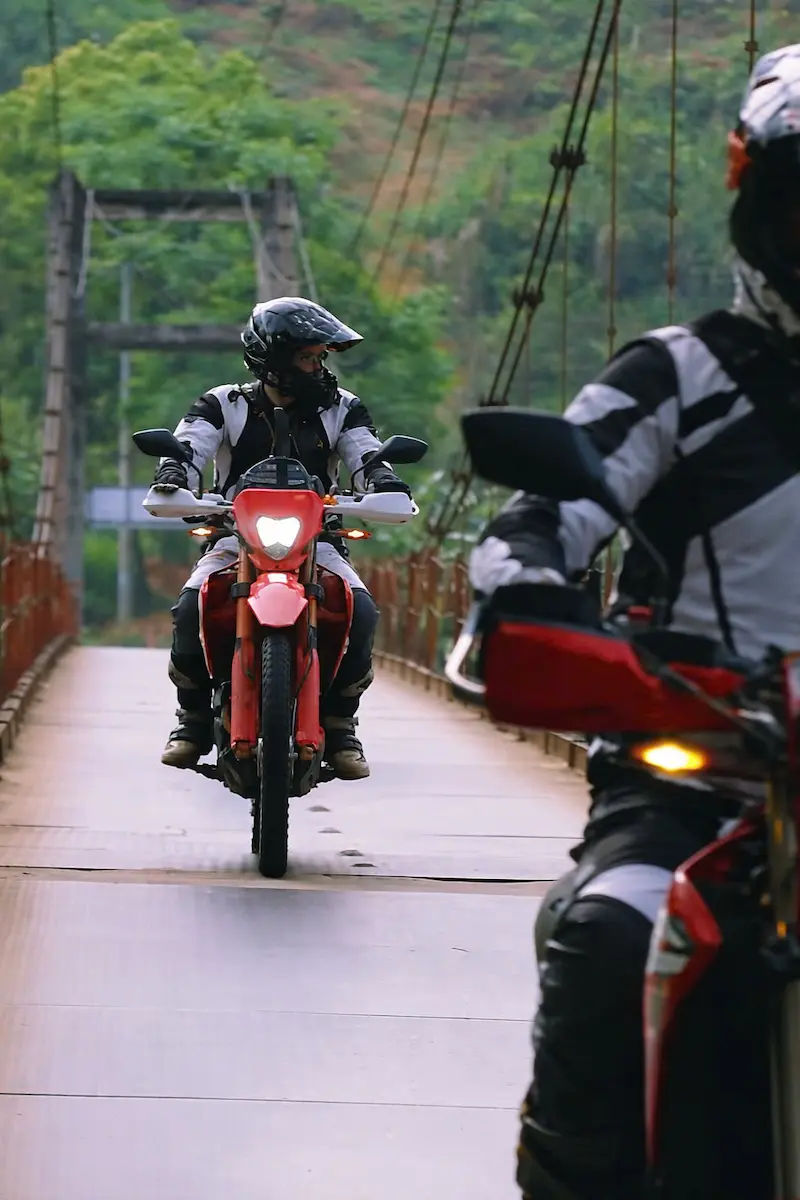
You’ve got several options depending on your comfort level and what you want out of the experience. Guided group tours are somehow popular, especially with companies that provide experienced riders as leaders. These outfits handle accommodations, route planning, and mechanics if something breaks down. You’re riding with other travelers, which creates a fun group dynamic, and local guides know every photo spot and which street vendor makes the best bun cha.
Then there’s the Easy Rider experience, which is uniquely Vietnamese. These are local drivers, often war veterans or experienced riders, who take you as a passenger on the back of their bike (mainly for short distance rides). You’re not doing the riding yourself, but you get incredible stories and insider knowledge. They’ll take you to their cousin’s house for dinner or show you a hidden temple that tourists never find. It’s perfect if you want the adventure without the stress of navigating Vietnamese traffic yourself.
Self-guided tours mean renting a bike and hitting the road solo or with friends. You pick your own pace, change plans on a whim, and have total freedom. Companies still provide suggested routes, GPS tracks, and phone support, but you’re making all the decisions. This works great for experienced riders who’ve traveled in Southeast Asia before.
Some specialized tours focus on specific interests: food tours stopping at regional specialties, historical routes following wartime trails, or photography-focused trips timed for the best light in places like Sapa’s rice terraces.
- Check out Multi-day off-road tours in northern Vietnam
- See Northern & Southern Vietnam motorbike route guide
Who Motorcycle Tours Are Best For
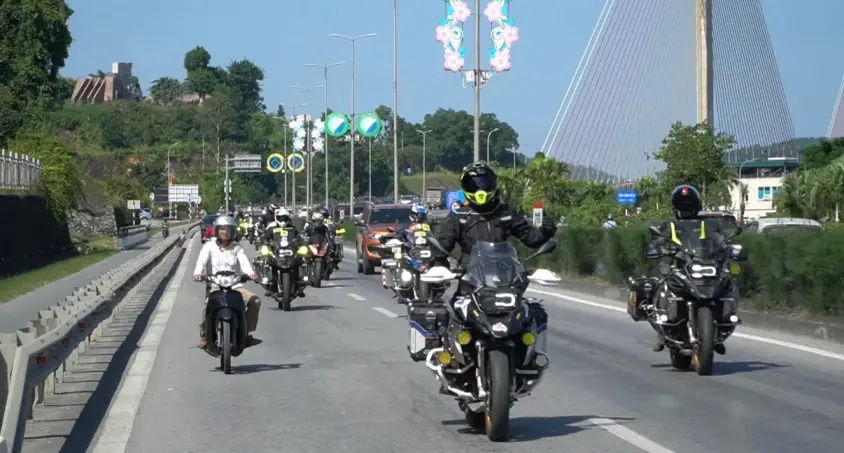
These tours attract people who’d rather create their own stories than follow a tour guide holding an umbrella. If you’re the type who gets excited about taking the long way, trying food you can’t pronounce, or having conversations despite language barriers, you’ll love it here. Age really doesn’t matter as much as attitude—we’ve seen 60-year-olds tackle mountain passes while 25-year-olds stick to easier coastal routes.
Culture lovers thrive on these trips because you’re constantly interacting with locals. You’ll stay in family-run guesthouses where grandma insists on making you breakfast, visit markets where English isn’t spoken but smiles are universal, and stumble into festivals you didn’t know existed. The bike lets you participate rather than just observe from a tour bus window.
Nature enthusiasts find Vietnam’s diversity incredible. Morning might bring misty mountains in the north, afternoon could be tropical jungles in the central highlands, and evening lands you on a beach. You’re right there in it, feeling temperature changes, smelling the jasmine rice fields, hearing the chaos of city streets fade into quiet countryside.
Solo travelers, couples, and small friend groups all work well. Solo riders often meet other motorcyclists at guesthouses and end up riding together for a few days. The motorcycle community here is genuinely welcoming, with riders looking out for each other.
- Check out Offbeat trails in northern Vietnam
- Comparing Ha Giang & Sapa route by difficulties
- See 15 day Hanoi to Saigon via Ho Chi Minh Trail
Required Riding Experience
Here’s the honest truth: Vietnamese traffic is intense, especially in cities. Hanoi and Ho Chi Minh City feel like controlled chaos where everyone just flows together somehow. If you’ve never ridden a motorbike before, jumping straight into Hanoi traffic is asking for trouble. Most rental companies want to see you handle the bike in a parking lot first, and some won’t rent to complete beginners at all.
For easier routes like coastal Highway 1 south of Nha Trang or the Mekong Delta, basic scooter skills work fine. We’re talking flat roads, slower speeds, and less traffic. Plenty of people learn to ride semi-automatic bikes here within a day or two, then stick to these gentler areas. The bikes are usually 110cc to 125cc scooters, pretty forgiving for learners.
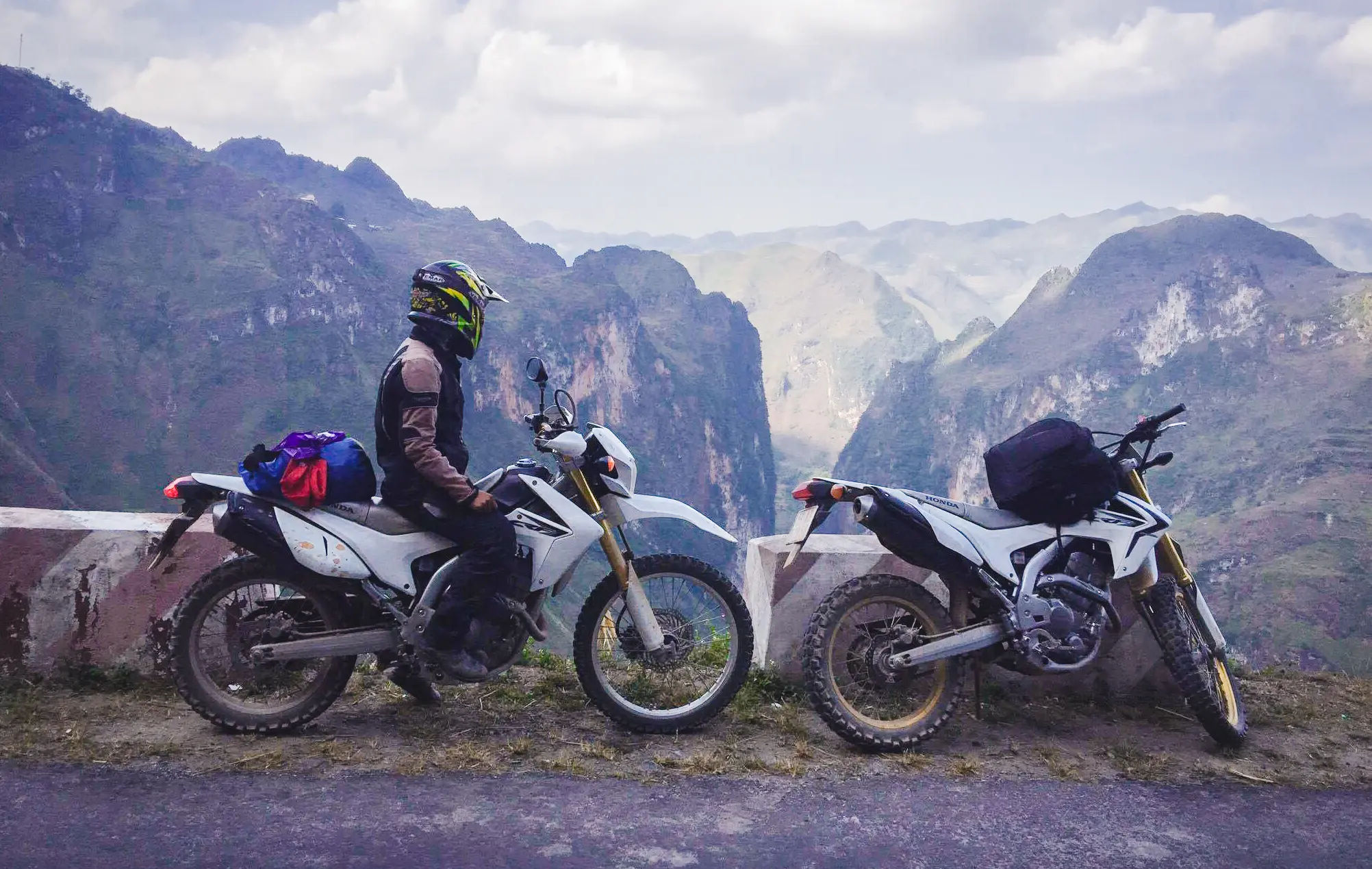
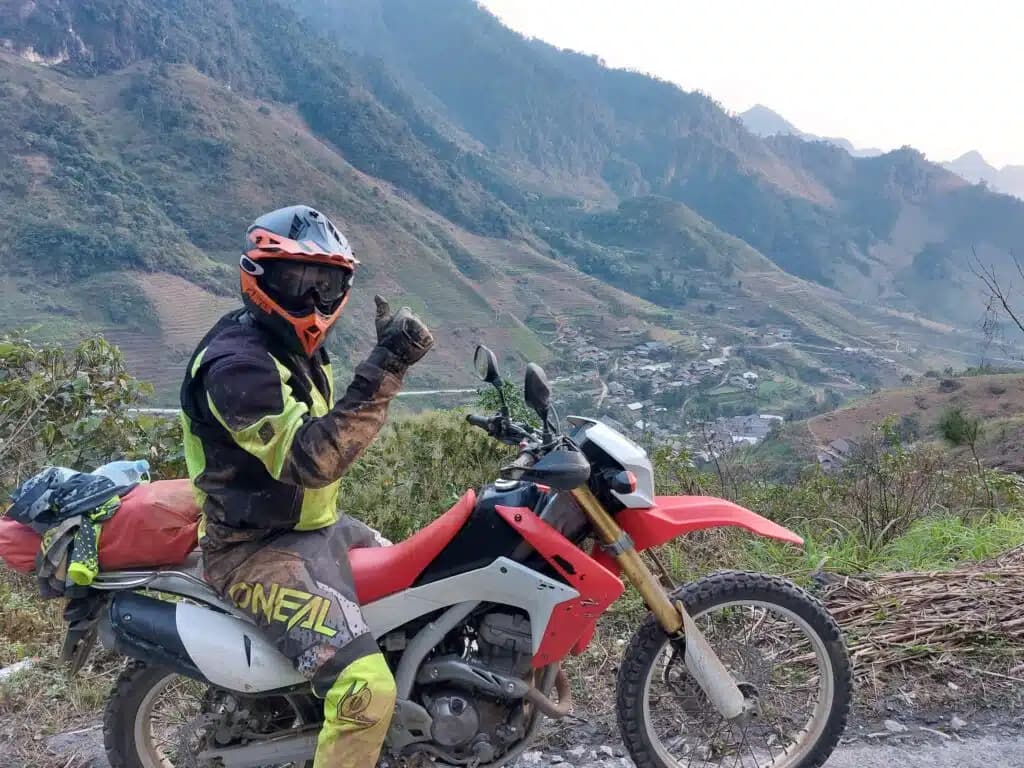
Mountain routes like Ha Giang or the northern loops require solid experience. You’re dealing with steep inclines, hairpin turns, gravel patches, and drops with no guardrails. A semi-automatic clutchless bike helps, but you still need confidence with braking, cornering, and reading road conditions. If you’ve ridden scooters around Bali or Thailand for a week, you’re probably ready. If your only experience is a moped on a Greek island, maybe build up skills on easier Vietnamese roads first.
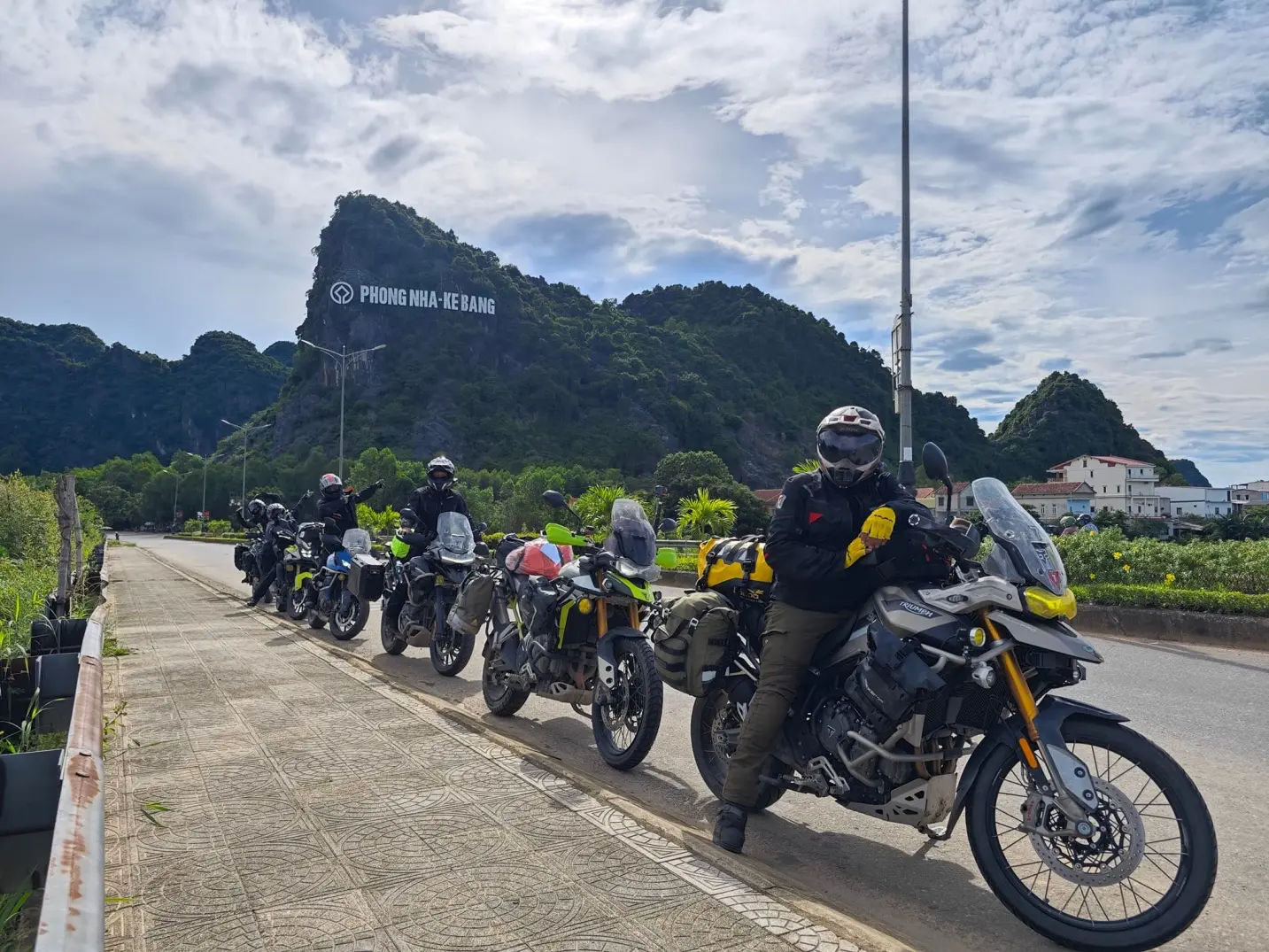
Manual motorcycles give you more control on mountains but demand clutch experience. Some riders bring their own international licenses for bigger bikes like 250cc to 1200 cc riders, which handle long distances and rough roads better than scooters.
Cultural Experiences on the Road
The real magic happens in those unplanned roads. You pull into a small town for lunch, and the restaurant owner’s daughter practices her English with you while her mom teaches you how to properly roll spring rolls. An hour later, you’re still there, laughing despite barely understanding each other, and they’re packing you snacks for the road.
Ethnic minority villages in places like Sapa, Mu Cang Chai, or the Central Highlands offer completely different cultural experiences. The Hmong, Dao, Tay, and dozens of other groups maintain traditional lifestyles, wearing distinctive clothing and practicing crafts that go back centuries. Staying in homestays means sleeping on mats in wooden stilt houses, sharing meals cooked over open fires, and maybe joining in rice wine ceremonies if you’re lucky. These experiences only happen because you’re on a motorbike able to reach remote areas.
- Check out Sapa best motorbike tours
Historical sites take on new meaning when you ride to them. The Phong Nha caves aren’t just tourist attractions when you’ve spent all morning navigating the gorgeous roads to get there. The war sites along the Ho Chi Minh Trail or DMZ feel more significant when you’re following the same routes, seeing the landscape American and Vietnamese soldiers fought over.
Food becomes an adventure itself. Every region has specialties you won’t find anywhere else: cao lau only in Hoi An, bun rieu cua in the Red River Delta, banh xeo in the south. Street food stalls become your regular stops, where vendors remember you came through yesterday and ask where you’re heading today.
- See Beginner tips for riding a motorbike in Vietnam
- Check out 7 day motorcycle adventure in far North Vietnam
Guided vs Independent Motorcycle Tours
Guided tours solve a lot of problems right away. Your route is planned by people who know which roads flood during monsoon season, which guesthouses are clean and safe, and which mechanics can actually fix your bike. You’re riding with a support vehicle carrying luggage, spare parts, and sometimes a medic. If you crash or break down, help is right there. The guides handle negotiations, translations, and all the logistics while you focus on riding and enjoying yourself.
- Check out northern Vietnam motorbike tours
The social aspect matters too. You’re sharing experiences with other riders, swapping stories over dinner, and often staying friends long after the trip ends. Guides also get you into places independent travelers might miss because they have relationships with local families, villages, and businesses built over years.
Independent touring gives you complete control. Want to spend an extra day at that beach? Do it. See a side road that looks interesting? Take it. You’re not sticking to anyone’s schedule or compromising with a group. The freedom is incredible for experienced travelers who trust their own judgment and enjoy problem-solving. Renting bikes is cheap, around $25-200 per day depending on the bike, and accommodation averages $30-60 per night.
The challenges are real though. Navigation gets tricky despite Google Maps because roads aren’t always marked, and Google Maps sometimes suggests routes that don’t exist or are impassable. Breakdowns mean finding mechanics yourself, and not all of them are honest with tourists. Language barriers complicate everything from asking directions to explaining what’s wrong with your bike.
A middle option exists: rent independently but buy GPS tracks and suggested itineraries from tour companies. You get route expertise without the guided structure, paying maybe $100-500 for comprehensive route files, accommodation lists, and emergency contacts.
- Check out Sapa’s best adventure routes for motorbike riders
- See 12 Days North Vietnam motorbike loop ride
FAQs: What Is a Motorcycle Tour in Vietnam and Who Is It Best For?
What exactly is included in a motorcycle tour in Vietnam?
Most guided tours include motorcycle for riders, fuel, experienced guide, accommodation, some meals, support vehicle, and basic insurance. Self-guided packages typically provide bike rental, planned routes, suggested accommodations, and emergency support. Flights, visas, travel insurance, and personal expenses are usually separate.
Who should consider a motorcycle tour instead of traditional travel?
Anyone wanting authentic local experiences, flexible schedules, and access to remote areas beyond typical tourist routes. Best for adventurous riders, culture seekers, nature lovers, and people comfortable with spontaneity who prefer active exploration over packaged bus tours.
Is a motorcycle tour suitable for first-time visitors to Vietnam?
Yes, if you choose appropriate routes and tour styles. First-timers should consider guided tours or easier coastal routes rather than challenging mountain passes. Many companies cater specifically to beginners with automatic scooters, experienced guides, and moderate itineraries that balance adventure with safety.
Conclusion: Motorcycle tours (What It Is & Who It’s Best For)
Absolutely worth to take a motorcycle adventure, it worth it if you want real Vietnam beyond tourist bubbles. Most riders spend 7 to 21 days depending on coverage—north offers dramatic mountain loops like Ha Giang, south brings coastal cruising and Mekong adventure. You can stick to paved roads or go full off-road through jungle trails and rural villages. The motorbike gives you access to places buses never reach: hidden waterfalls, ethnic minority homestays, roadside pho spots locals actually eat at. Whether you pick guided safety or independent freedom, it beats generic tours hands down. Just match your route difficulty to your actual riding skills.
About the author
Hamid rides Vietnam’s best trails year-round, guiding international riders from UK, Australia, and USA through epic routes. A motorbike expert who knows which bikes handle mountain passes and where adventure actually happens beyond tourist maps.