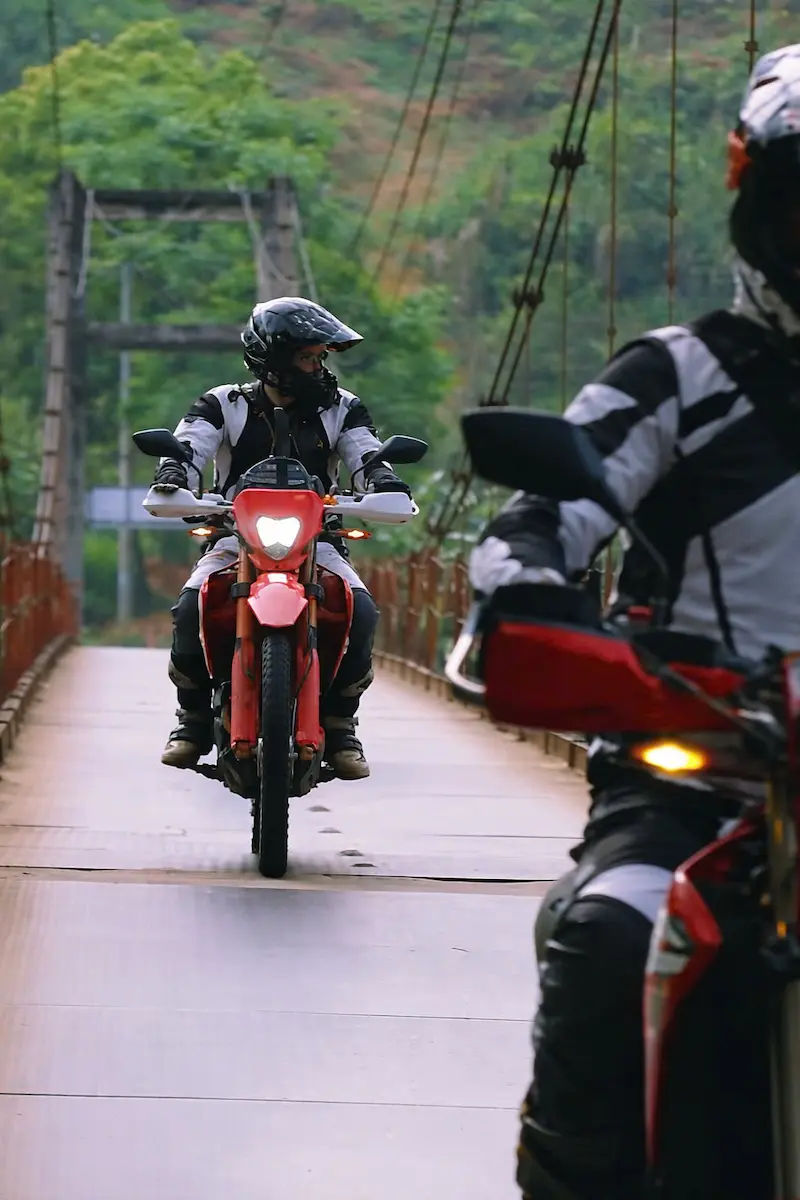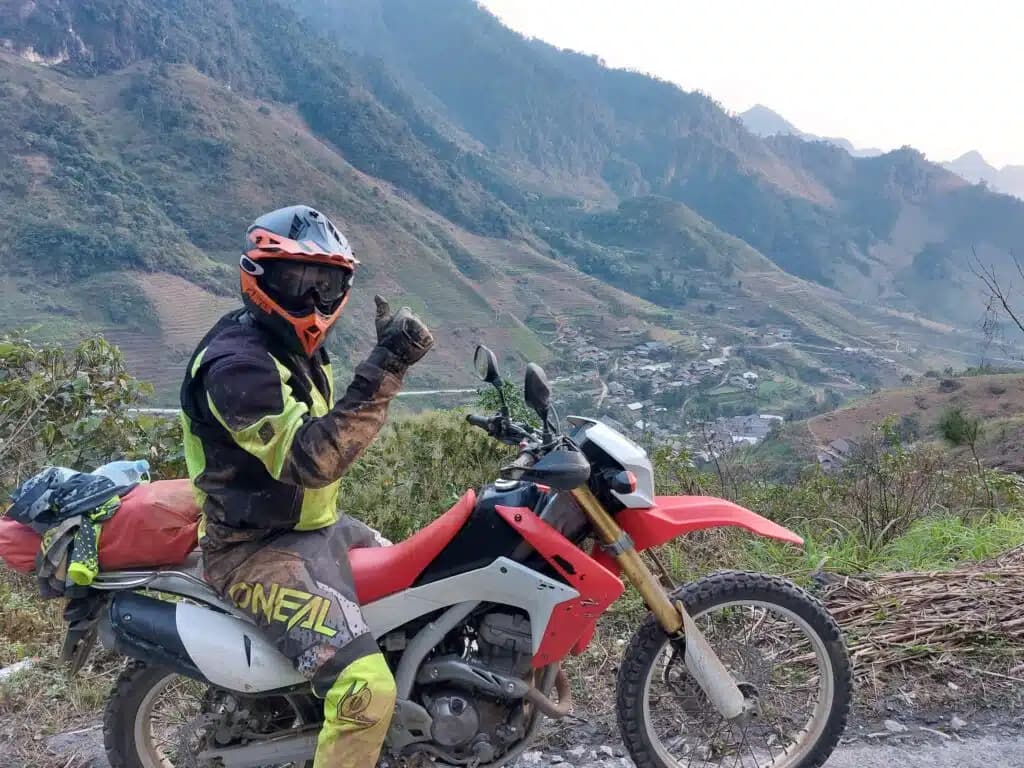
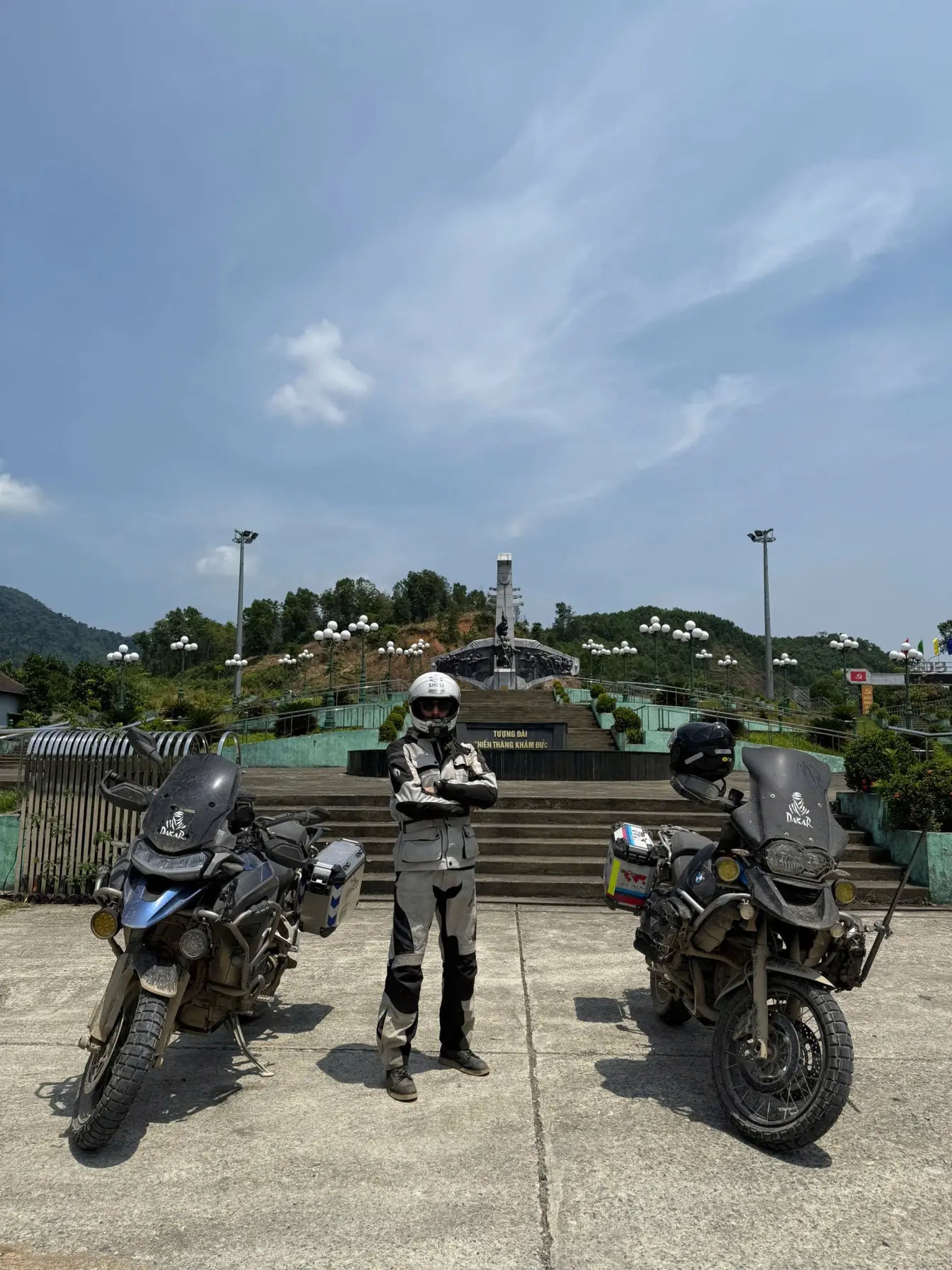
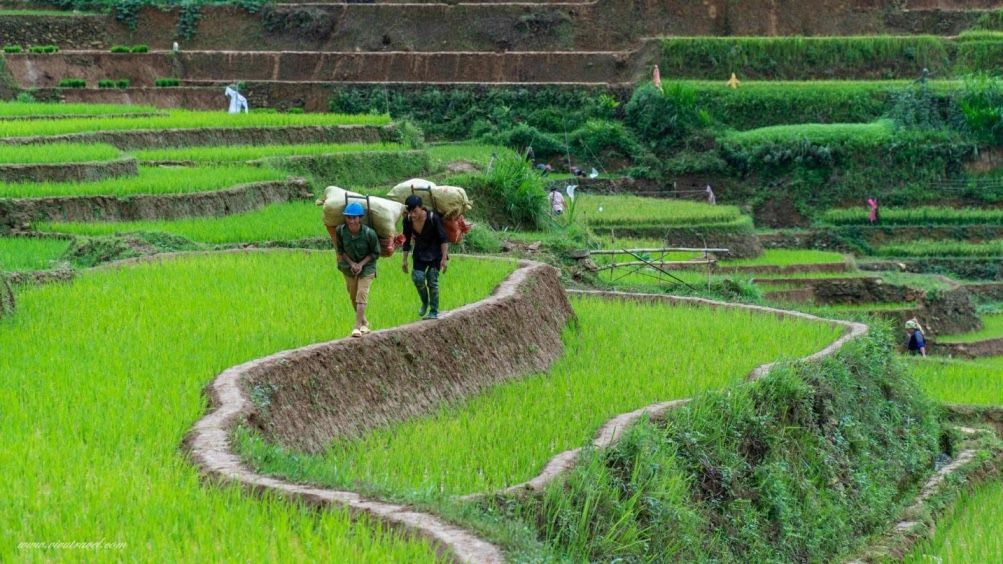
Staying in northern Vietnam’s villages is one of the best parts of motorbiking through the mountainous region. The routes pass through small mountain communities where you can rest, eat, and meet people. On my trips, I often found homestays or guesthouses for $10–15, but the real experience came from slowing down and seeing where I’d land each afternoon. Sometimes I used maps, other times I just rode into a village around 3 p.m. and asked for a room. These village nights give you a closer look at daily life, kids in the courtyards, families cooking, and ethnic minority groups like the Hmong or Tay offering simple food and a warm bed. The rooms are basic and the roads unpredictable, but that’s exactly what makes staying in these mountain villages feel so genuine and memorable.
- Check out amazing motorbike tours in Vietnam
| Topic | Key Points | Tips / Notes |
|---|---|---|
| Best Villages to Stay | Ha Giang, Sapa, Cao Bang | Choose homestays near main roads, check maps, arrive before dark |
| Local Homestays | Family-run, $10–15/night, authentic meals | Book ahead for tourist hotspots; ask hosts for local tips |
| Cultural Experience | Ethnic minorities: Hmong, Tay, Dzao | Use gestures, basic Vietnamese, or Google Translate |
| Safety & Road Tips | Check route, road conditions, weather | Arrive before sunset, carry essentials: water, jacket, power bank |
| Legal Motorbike Riding | IDP + home-country license, or Vietnamese license | Riding without correct license can cause fines, legal issues |
| Cost | $7–15/night | Remote villages cheaper; Sapa & Ha Giang slightly higher |
Why Staying in Villages Is the Best Choice for Motorbike riders
Staying in villages while riding a motorbike through northern Vietnam adds a level of connection you rarely get in towns or cities. Each stop feels personal, and every village has its own rhythm roosters in the morning, smoke from rice kitchens, and families gathering outside their homes.
On my rides, I found that these small communities made the journey feel slower in a good way. Locals often waved me over, offered tea, or pointed me toward a homestay I wouldn’t have found online.
Village stays also help you understand the land better, from the way the Hmong farm the hillsides to how the Tay build their stilt homes. You get fresh meals, quiet nights, and honest conversations that happen naturally when you’re far from busy tourist spots. Even basic rooms feel rewarding because you’re part of village life, not just passing through.
- Check out safety tips for riding in rain and fogy

Benefits of Staying in Local Homestays in Northern Vietnam
Staying in local homestays is one of the most rewarding parts of traveling through northern Vietnam. Many villages, like Ta Van near Sapa or Ban Ho deeper in the valley, offer simple, family-run stays that feel warm and personal.
On my trips, these homestays became the places where I learned the most about daily mountain life. Meals were cooked with fresh ingredients from the garden, and evenings usually ended with conversations around a small fire or a cup of herbal tea.
The families often shared stories about their traditions, farming routines, or the changes happening in their community. The rooms are basic but comfortable, and the quiet surroundings make it easy to rest after a long day on the road. What makes these stays special is how naturally you become part of the household, even if just for a night.
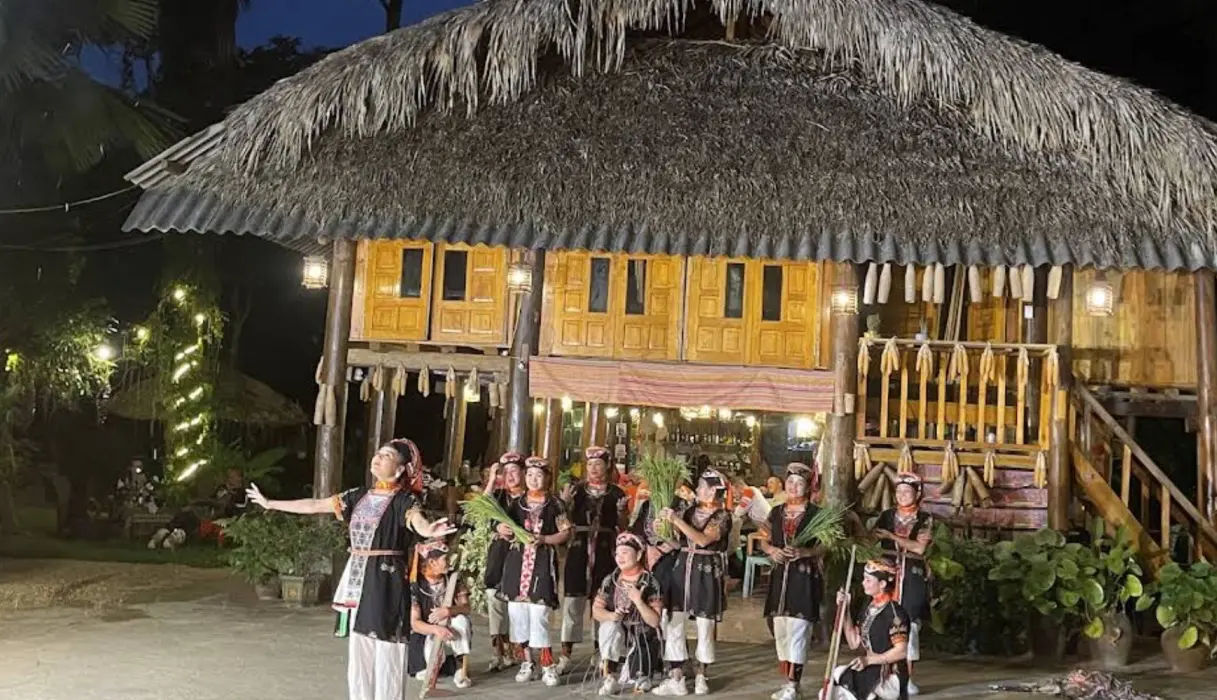
Getting to Know the Culture of Vietnam’s Ethnic Minorities
One of the biggest reasons to stay in northern villages is the chance to meet Vietnam’s ethnic minority communities up close. In places like Dong Van or Meo Vac, the culture of the Hmong, Tay, and Dzao becomes part of your daily experience.
You see how they farm steep slopes, weave traditional clothing, or prepare their meals. During my visits, families often invited me to sit with them, even if we barely shared a common language. Simple gestures, like offering tea, showing how they dry corn, or letting me join a small family meal, made the journey feel meaningful.
These moments show a side of Vietnam that you cannot learn from guidebooks. Staying in their villages gives you a deeper understanding of their traditions, their history, and the pride they carry in their way of life.
- You may check what you need to rent a motorbike in Vietnam?
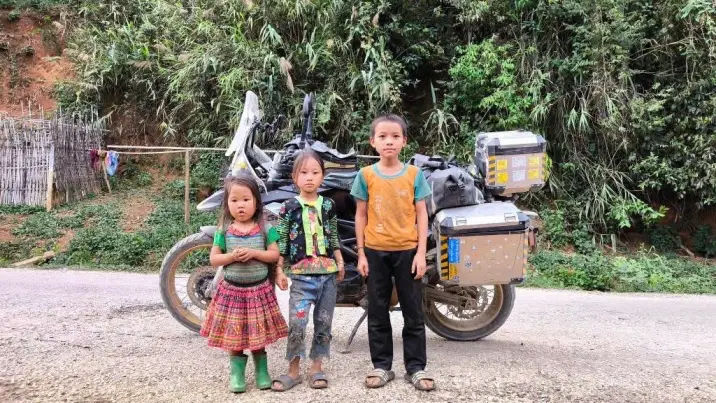
Best Villages to Stay in While Motorbiking in Northern Vietnam
Northern region has countless villages that make perfect overnight stops, each offering something different, mountain views, quiet rice valleys, or riverside scenery.
Over the years, I’ve stayed in many of them while riding through the region, and the best ones were always the places where I felt welcomed right away.
Villages like Lung Cu (right at the border with China), Ta Van, Ban Gioc, and Phia Thap stand out because they give you easy access to nature and a close look at local daily life.
Most of these villages have homestays run by families who have lived there for generations, so the stories, food, and atmosphere feel authentic. Staying in these places not only breaks up your journey but also turns each stop into a memorable part of the adventure.
- Check out Ha Giang vs Cao Bang
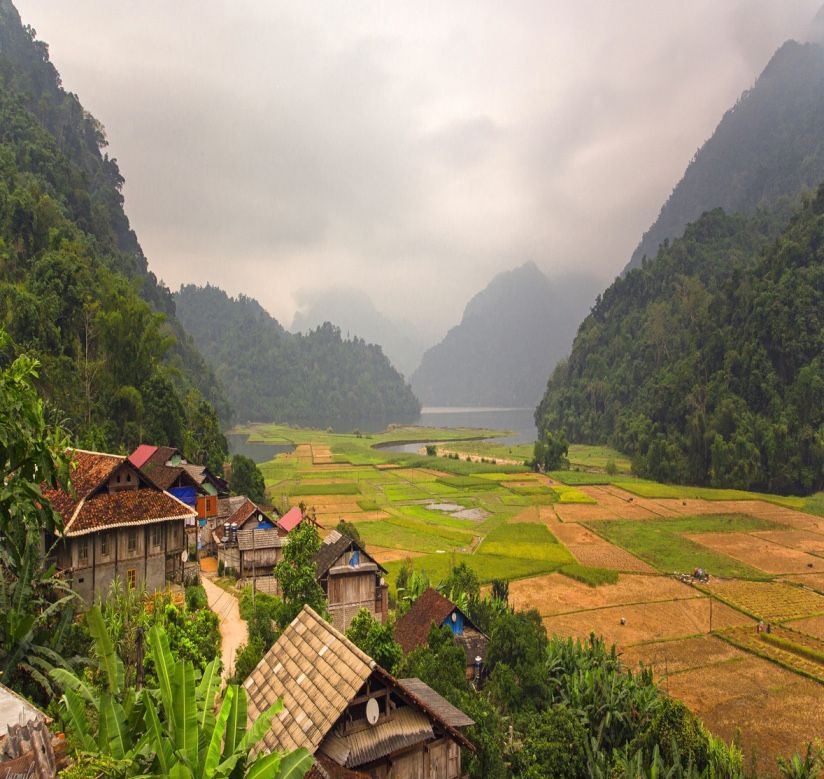
Ha Giang Villages with Stunning Mountain Views
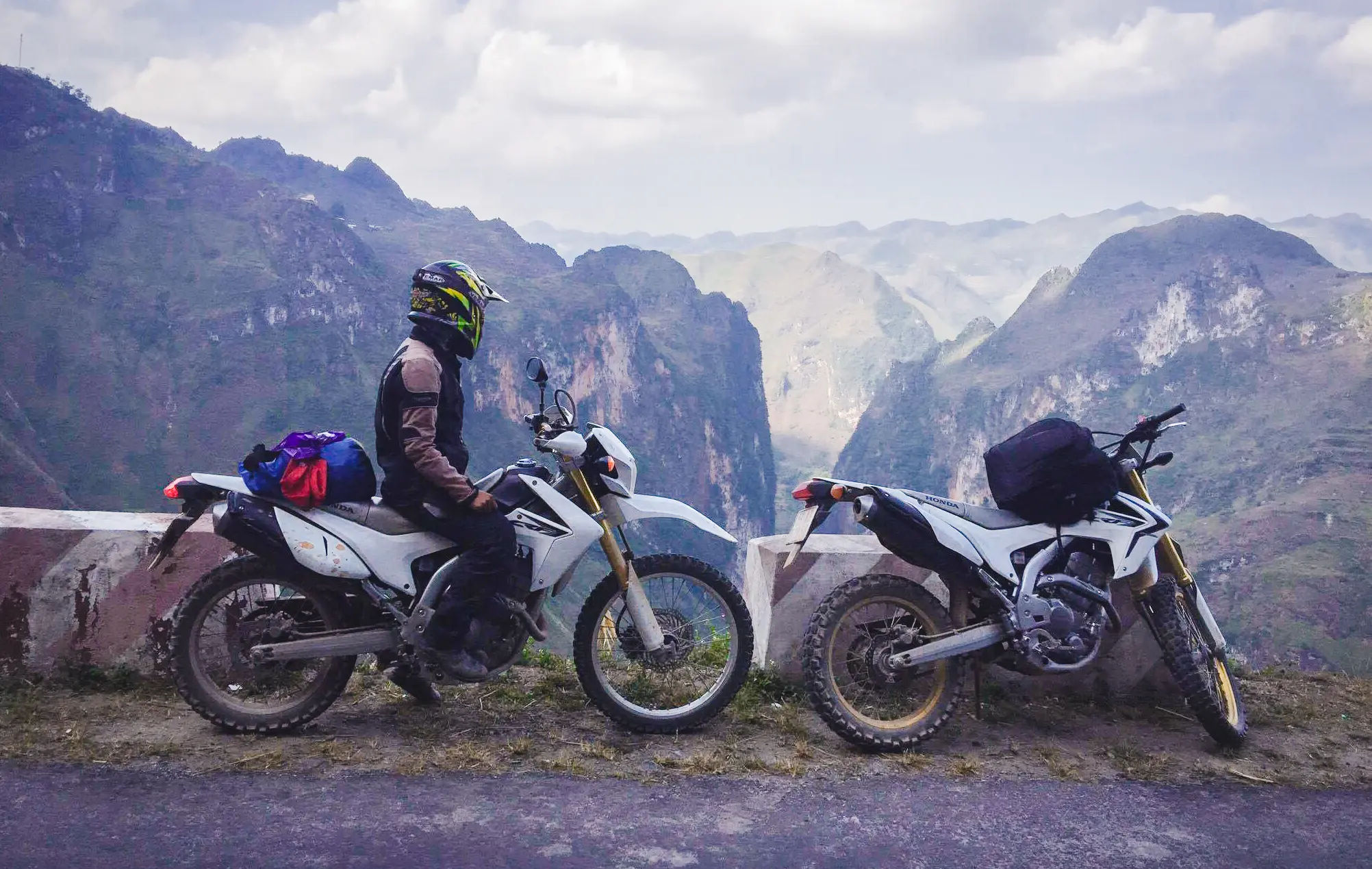
The Ha Giang Loop is full of villages that feel like they’re carved into the mountains. Places like Dong Van, Lung Cu, and Pa Vi offer some of the most dramatic landscapes in northern Vietnam. When I stayed in these villages, I woke up to cliffs rising above the clouds and narrow paths winding through limestone peaks.
The locals were always kind, often pointing me toward scenic shortcuts or inviting me to join their meals. Many homestays here sit right on the edge of valleys, so you can watch sunset drop behind the karst mountains while hearing village life slow down for the evening. These are the kinds of places where you stop for one night and end up staying longer.
Sapa Villages with Rice Terraces and Cool Climate
Sapa’s surrounding villages are some of the easiest and most rewarding places to stay if you want quiet nights and views of rice terraces.
Ta Van, Lao Chai, and Ban Ho are among the best, each offering a cooler climate and peaceful scenery. During my stays, mornings usually started with fog rolling through the fields and the sound of farmers heading out to work. The Hmong, Tay, and Dzao families who live here are used to travelers, yet the experience still feels personal.
Homestays often sit right above the terraces, giving you views that change with the season, lush green in summer, golden in harvest months. It’s a calm, refreshing break if you’ve been riding for hours.
- Check out about motorcycle insurance in Vietnam
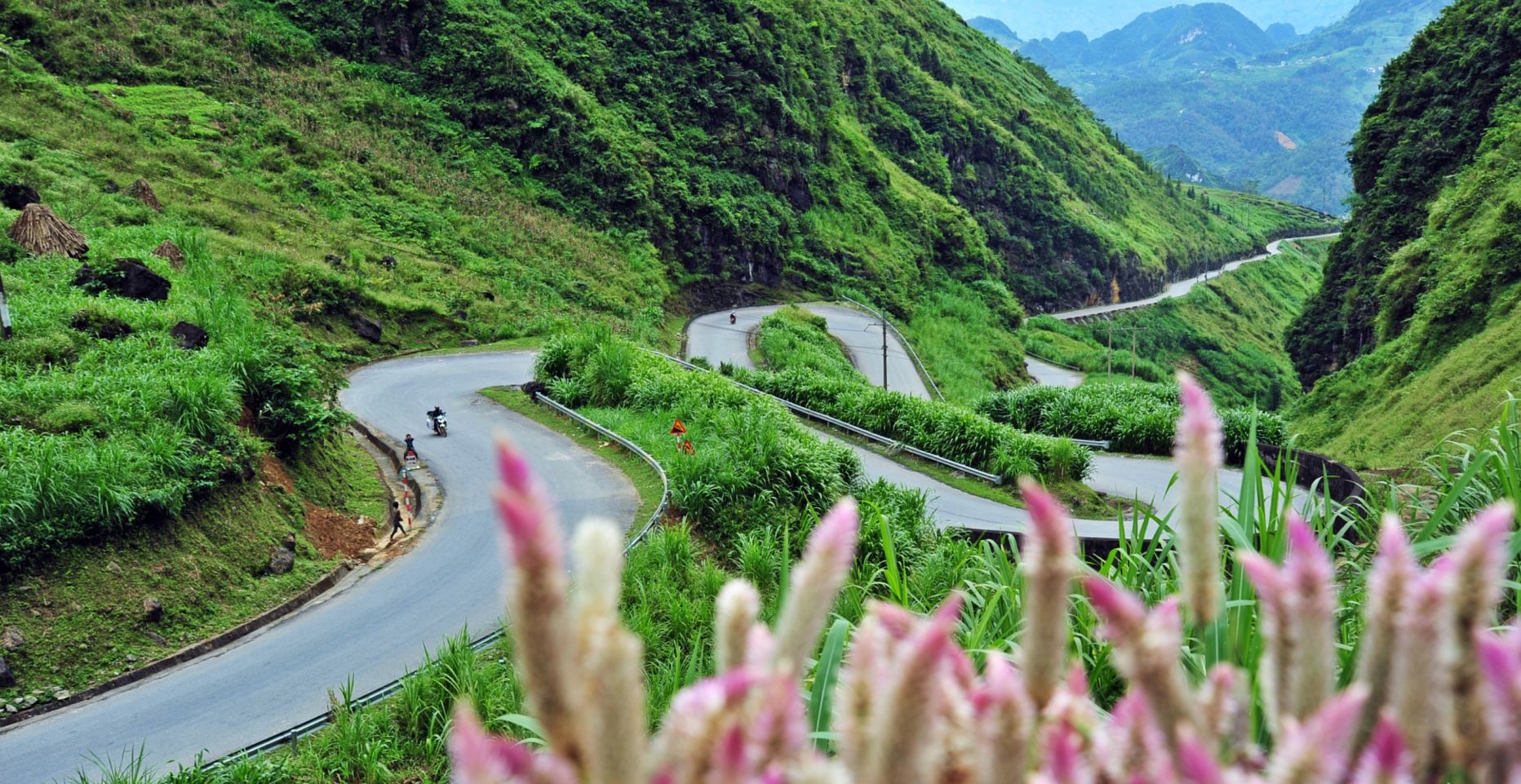
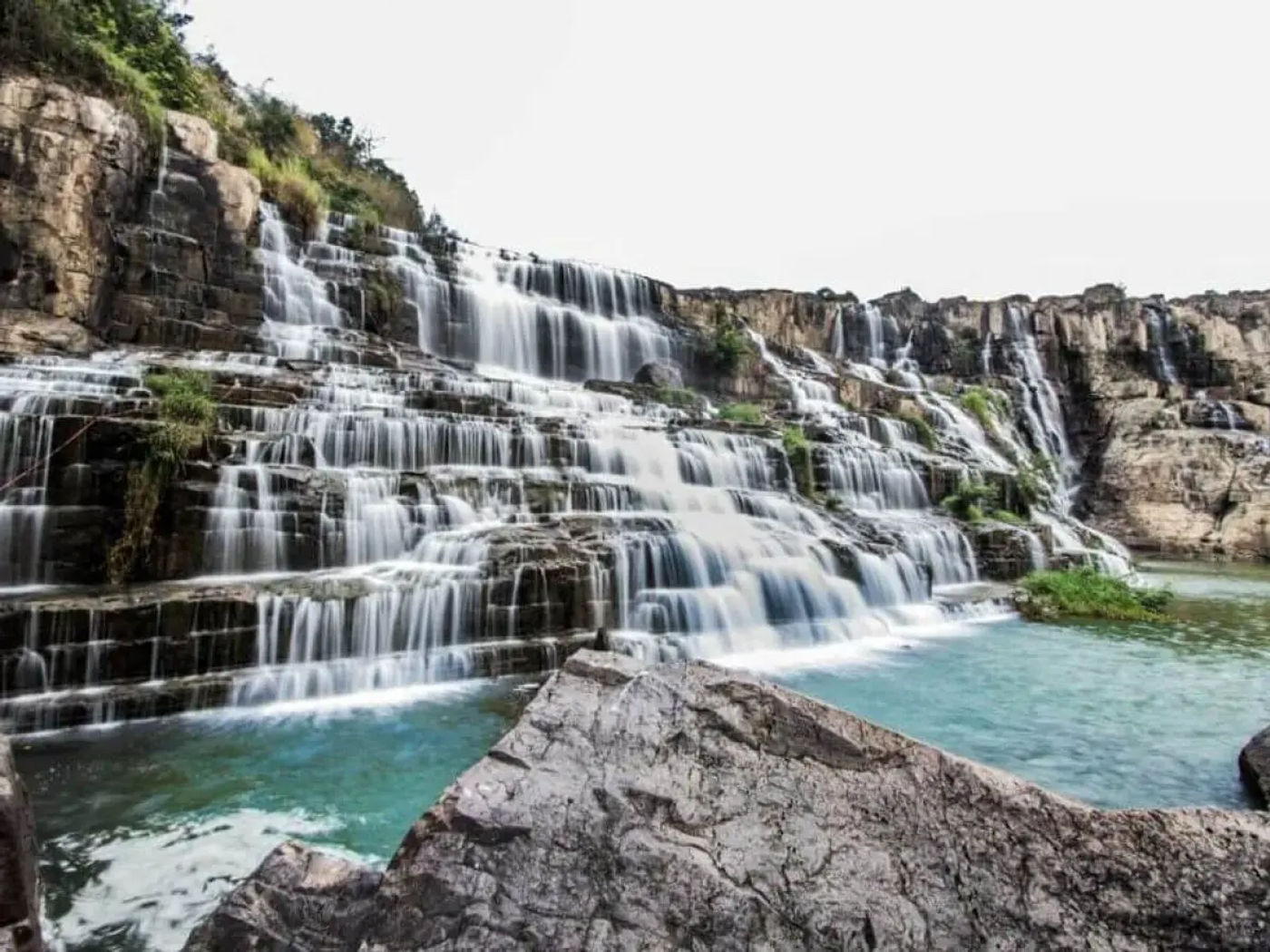
Cao Bang Villages by Waterfalls and Clear Rivers
Cao Bang is perfect if you want to stay somewhere quieter and surrounded by nature and also not that touristy compare to Sapa and or Ha Giang.
Villages such as Ban Gioc, Phuc Sen, and Phia Thap are close to valleys, forests, and crystal-clear rivers. On my visits, I spent evenings listening to the sound of water flowing through the fields and watched villagers making traditional crafts like incense or forging knives.
The area is also known for its beautiful blue rivers and nearby waterfalls, so even a short walk from the homestay feels refreshing. These villages offer a peaceful overnight stop with friendly hosts, simple meals, and landscapes that feel untouched compared to more popular routes.
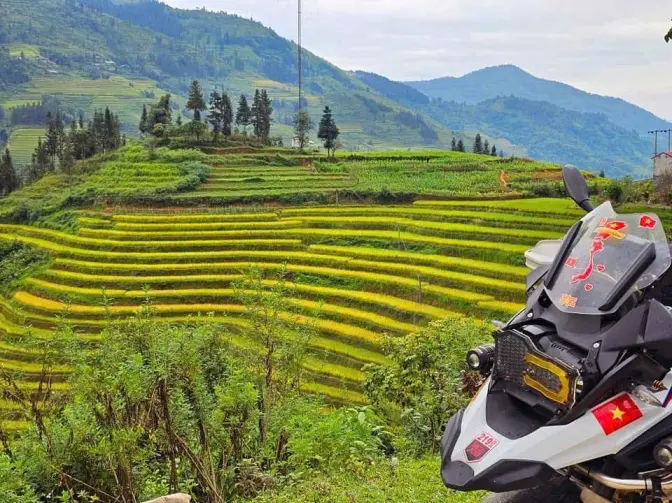
Important Tips for Choosing Safe and Suitable Homestays for Motorbiking
Choosing the right homestay can make a big difference when you’re traveling through the region, especially when you rely on small villages for rest each night.
Over the years, I’ve let my motorbike trips to stay and lodge in all kinds of places, simple wooden stilt homes, basic family rooms, and newer houses built for visitors, and the safest, most comfortable stays were always the ones where the hosts felt genuinely welcoming.
A good homestay usually has recent reviews, clear photos, and a location that’s easy to reach without dangerous roads or long dirt paths. Family-run houses are often the best choice because the hosts care about their reputation and are quick to help with meals, directions, or local advice. When I’m unsure, I message the host with a few basic questions about parking, food, or the road leading to their home. Their reply, even if it’s short, tells you a lot about how the entire stay will feel once you arrive.
Check the Access Route and Road Conditions Before Booking
Before booking any homestay in the mountains, it’s important to check the access route carefully.
Some places look perfect in photos but are hidden behind steep trails, uneven dirt paths, or roads that become muddy and unsafe after rain. I’ve had a few situations where I arrived later than planned and realized the last stretch was far too rough to reach safely.
Since then, I always double-check the route on Google Maps and read recent comments from other travelers. When something looks unclear, I message the host and ask directly about the condition of the road. Locals always know which sections are washed out, which parts are under repair, and whether the route is safe for the current weather. A quick message or call can save you a lot of stress, especially if you’re arriving near sunset or riding during rainy months.
- Check out off-road Vietnam motorbike trips
Safety and Practical Tips for Staying in Remote Villages
Remote villages in northern Vietnam are quiet and beautiful, but staying in them comes with a few practical challenges. Power cuts, limited phone signal and the 4G access for internet, and sudden weather changes are common, so it’s best to arrive before dark and carry essentials like a power bank, a light jacket, and some cash.
On my trips, I always let someone know where I planned to sleep, especially when traveling alone, which gave me peace of mind. Villagers are generally friendly and happy to help with directions, meals, or advice, but it’s still smart to keep your phone charged and a water bottle handy. If the weather looks unpredictable, it’s better to stop early, families in these villages are used to travelers and will usually welcome you with a warm room and a meal.
Security Tips for Parking Motorbikes and Storing Belongings
Most villages in northern Vietnam are very safe, but it’s still wise to take simple precautions.I always try to park the group’s motorbike inside the homestay’s courtyard or garage, and hosts are usually happy to help with guidance or even watch over it.
Anything valuable strapped to the bike, like passports, electronics, or cash, I bring inside with me.
Some homestays provide small lockers or a safe corner within the family’s living area, which makes storing belongings easier. When I travel with bags, I keep all important items together so I can move them quickly when checking in or leaving. These small habits may seem minor, but they make a big difference in peace of mind, especially when arriving late or staying somewhere completely new.
How to Communicate Better with Local People
You don’t need perfect Vietnamese to connect with locals in the villages, simple gestures often matter more than words.
A friendly smile, a small greeting like “xin chào,” and polite hand gestures can open doors and invite conversation. Many families I stayed with didn’t speak English, but interactions were easy because people were patient, curious, and welcoming.
I often used apps like Google Translate to ask about meals, directions, or available rooms, which made things much smoother. Taking your time, listening carefully, and showing respect usually turns these short encounters into memorable moments. Locals genuinely appreciate even a few basic phrases, and they often teach you new words while sharing tea, meals, or stories about village life, making the experience feel warm and personal.
- Check out languages spoken in Vietnam
Important Etiquette to Follow
Every village in Vietnam has its own traditions, and following basic etiquette makes your stay much more comfortable. I always remove my shoes before entering a home, accept food or tea with both hands, and keep noise to a minimum, especially in the evenings.
In ethnic minority communities, showing respect to elders is particularly important, and even a small nod or greeting is appreciated. During my visits, I learned that taking photos should always be done politely, ask first, especially when children or elders are involved. Being modest, patient, and observant shows you respect local customs, and in my experience, hosts respond with genuine warmth, inviting you to join meals, share stories, or simply enjoy village life alongside them.</p>
These small gestures make a big difference in connecting with the community.
How
Much Does It Cost to Stay in Northern Vietnam Villages?
Staying in these villages is surprisingly affordable, wh
ich makes it easy to plan longer trips without spending much. Most homestays cost between $10–15 per night, and many include a simple dinner or breakfast prepared by the host family.
In more popular areas like Sapa or Ha Giang city, prices can be a little higher, but they remain reasonable compared to hotels in larger towns.
On my trips, I’ve even paid as little as $7 in remote villages, where families offered a spare room and a warm home-cooked meal. Costs usually vary depending on how developed the village is, the type of room, and whether hot showers or private bathrooms are available. Despite being inexpensive, village stays provide authentic experiences, making them one of the best-value ways to explore northern Vietnam while feeling part of local life.
- Check out Vietnam travel budget per day in 2026
Ways to Save Money While Motorbiking
Traveling through northern Vietnam can be very budget-friendly if you plan carefully. I often save money by staying in family-run homestays, enjoying home-cooked meals, and picking villages slightly outside busy tourist towns.
Arriving before 4 p.m. usually gives enough time to check different options without feeling rushed. Fill fuel in towns, carry water, check roads, and travel slowly to enjoy landscapes, local life, and save money. With a bit of planning, northern Vietnam is easy to explore without a big budget.
FAQs: Northern Vietnam villages
Can foreigners ride motorbikes in Vietnam?
Yes and to legally drive a motorbike in Vietnam, you’ll need a proper license. To do so legally, you need a valid International Driving Permit (IDP) issued under the 1968 Vienna Convention along with your home-country motorbike license, or a Vietnamese motorbike license for longer stays. Riding without the correct paperwork can lead to fines, no insurance coverage, and legal trouble if stopped by police. Even if some travelers do ride without a license, it remains illegal and risky.
- Check out how to apply for an IDP for Vietnam
When to visit Northern Vietnam?
The best time to visit northern Vietnam is from September to November and March to May. Visit northern Vietnam from September to November or March to May for clear skies and stunning mountain landscapes.
Avoid the rainy season (June to August), which can make roads slippery and travel difficult, and the cold winter months (December to February) in the mountains, when temperatures can drop and some areas may be foggy or icy.
- Check out When is the best time to visit Vietnam
Is is safe to drink alcohol in Northern Vietnam villages?
Yes, it is generally safe to drink alcohol in Vietnam, especially if you stick to sealed bottled spirits or beer from reputable stores or minimarts.
You can find vodkas, Bacardi, and other international brands, which are slightly more expensive than local beer but reliable. It’s best to avoid unsealed or homemade alcohol, as the quality can be uncertain. Drinking in moderation and choosing known brands will keep the experience safe and enjoyable while exploring Vietnam’s local bars and villages.
- Check out Snake Whisky of Vietnam
Conclusion: Staying in villages around the Northern Vietnam
Exploring northern Vietnam by motorbike and staying in its villages is an unforgettable way to experience the region. From Ha Giang mountains to Sapa rice terraces and Cao Bang rivers, enjoy authentic village life and warm homestays.
Plan ahead, respect local customs, and enjoy affordable village stays, home-cooked meals, and authentic northern Vietnam experiences. Every village becomes part of the journey. Check out out BMW motorbike tours in Vietnam
About the author
Hamid is an experienced adventure traveler who has spent years exploring northern Vietnam by motorbike. Specializing in off-the-beaten-path routes, he shares firsthand insights on riding through mountain roads, staying in remote villages, and connecting with local communities. His guides focus on practical tips, cultural experiences, and real-life advice for travelers seeking authentic adventures. Hamid’s travel experiences are documented through detailed observations, personal encounters, and local knowledge, providing a reliable and engaging resource for fellow explorers.