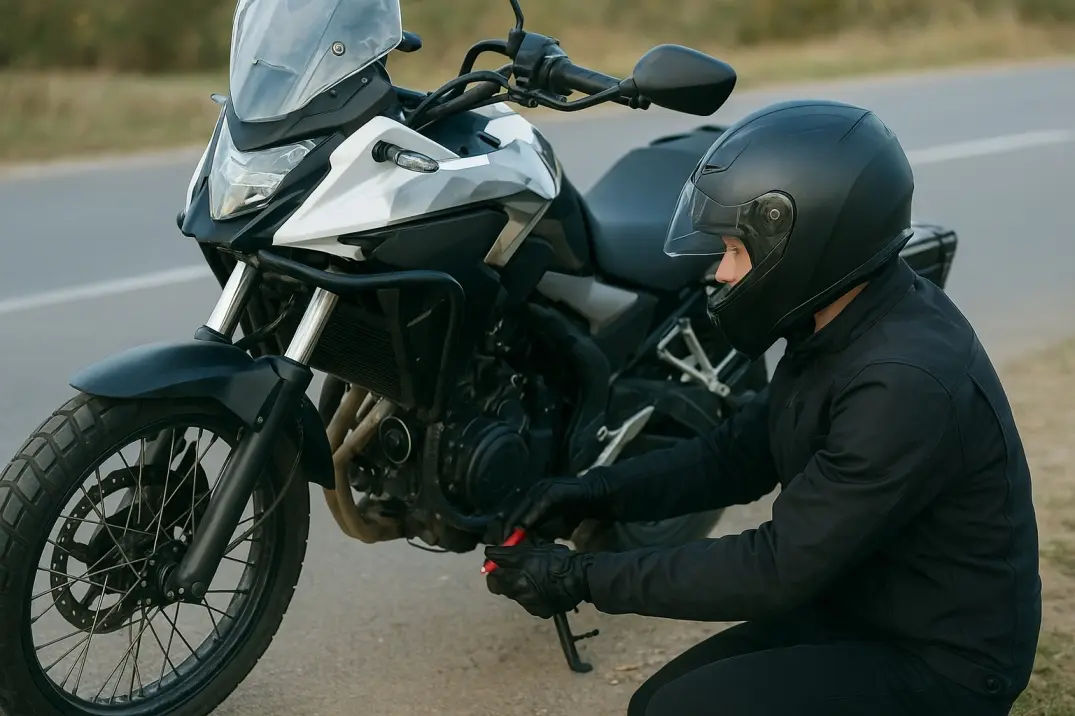
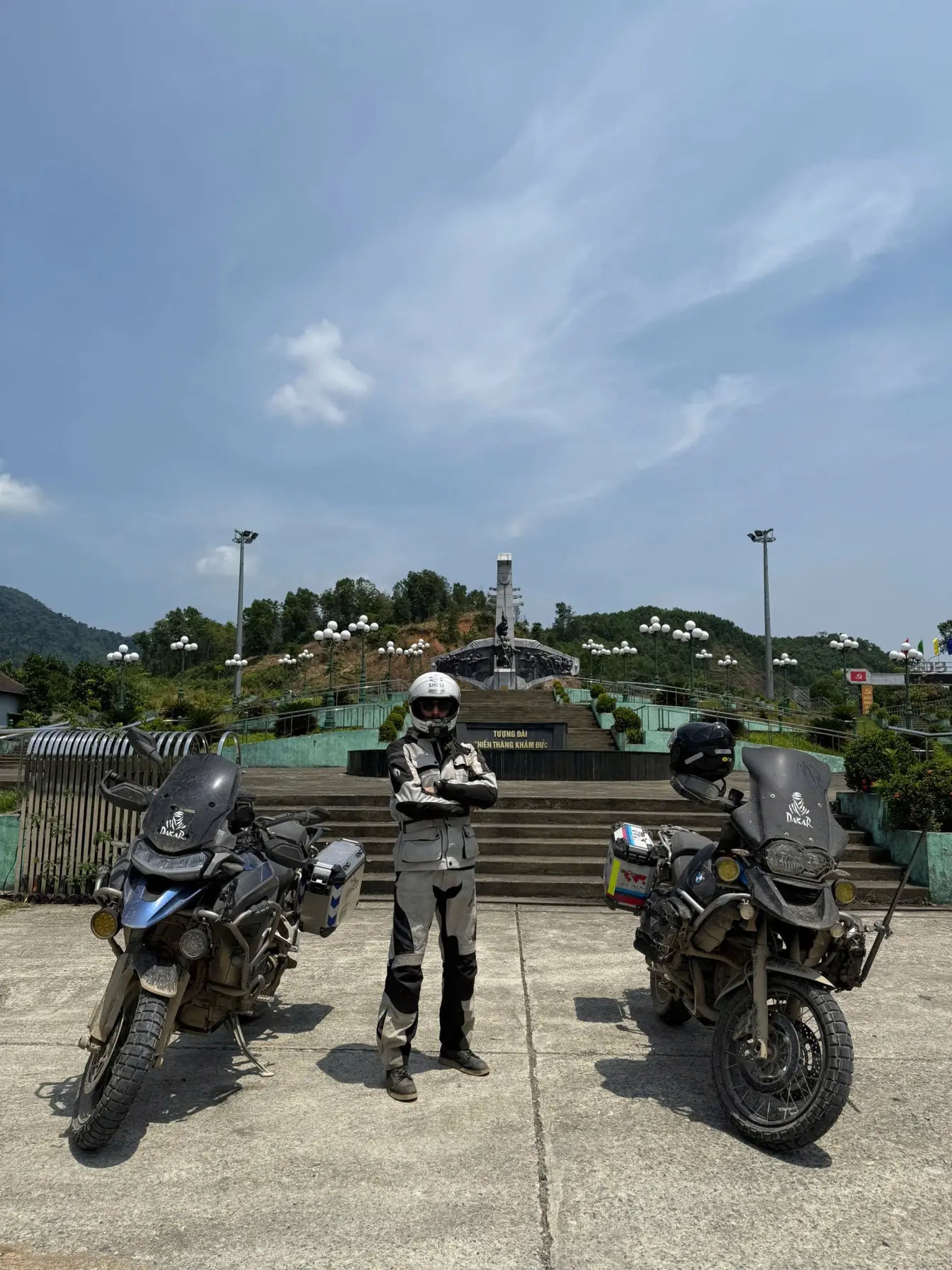
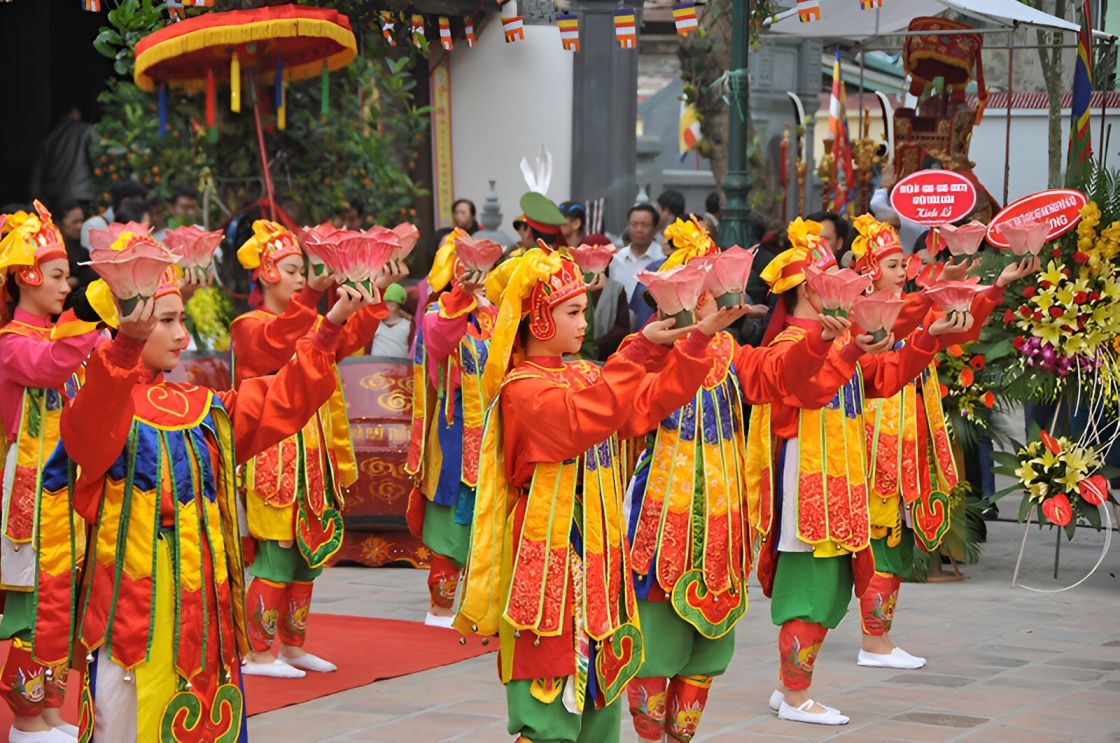
Northern Vietnam host a number of vibrant local festivals, and the best time to experience them is during the spring, when celebrations take place almost every week. These events reflect the region’s deep spiritual traditions, its connection to nature, and its long history. Major festivals such as the Perfume Pagoda Festival, Lim Festival, Giong Festival, Dong Da Festival, and the Hung Kings’ Festival draw large crowds with ceremonies, folk music, and historical reenactments. Beyond these well-known events, northern provinces also host many smaller local festivals—from the spiritual Yen Tu pilgrimage and Co Loa Citadel Festival to unique cultural gatherings like the Khau Vai Love Market and Na Nhem Festival. Together, these celebrations offer travelers a close look at the beliefs, stories, and traditions that shape everyday life in northern Vietnam.
- Check out best Vietnam motorcycle tours
Top Traditional Festivals in Northern Vietnam
Festival season here feels like walking into a living tapestry of music, color, and devotion. At the Perfume Pagoda Festival, I joined pilgrims before sunrise as they boarded small wooden boats and glided through misty karst cliffs toward incense-filled mountain temples.
In Bac Ninh, the Lim Festival pulled me in with soft Quan Ho duets—singers in traditional outfits trading melodies while locals gathered around them. Back in Hanoi, the Giong Festival surged with energy, carrying crowds through processions that retell the legend of a young hero who defended his land. A short ride away, the Dong Da Festival filled the streets with martial arts displays and steady drumbeats. Each event carried its own rhythm, offering a close look at traditions that remain firmly rooted in everyday life.
- Check out: Visit historical sites in northern Vietnam
| Festival Name | Description |
|---|---|
| Perfume Pagoda Festival | A major Buddhist pilgrimage in Hanoi during spring, drawing visitors to the Huong Pagoda. |
| Lim Festival | Held in Bac Ninh on the 13th day of the first lunar month, known for Quan Ho folk singing. |
| Giong Festival | Celebrated in Hanoi to honor the legendary hero Phu Dong Thien Vuong; recognized by UNESCO. |
| Dong Da Festival | One of Hanoi’s oldest festivals, commemorating Emperor Quang Trung’s victory with martial arts events. |
| Hung Kings’ Festival | A national holiday honoring Vietnam’s legendary founders, celebrated in Phu Tho Province. |
| Co Loa Citadel Festival | Held at the ancient Co Loa Citadel in Hanoi to celebrate its history and legends. |
| Yen Tu Festival | A spiritual pilgrimage to the sacred Yen Tu mountains in Quang Ninh Province. |
| Tay Thien Festival | A major cultural and spiritual event in Vinh Phuc Province. |
| Keo Pagoda Festival | Held at Keo Pagoda in Thai Binh Province, known for traditional rituals and processions. |
| Khau Vai Love Market Festival | An annual gathering in Ha Giang where ethnic groups meet for cultural exchange and traditional matchmaking. |
| Na Nhem Festival | A distinctive Tay ethnic festival in Lang Son Province, held on the 15th day of the first lunar month. |
| Gao Tau Festival | A cultural celebration in the Sapa region featuring Hmong and Dzao ethnic traditions. |
Perfume Pagoda Festival: Vietnam’s Largest Pilgrimage Event
Visiting the Perfume Pagoda Festival in early spring feels like joining a river of people moving through misty karst peaks toward one of the country’s most sacred sites. I boarded a small metal boat before sunrise, sharing space with families carrying incense, fruit, and small offerings wrapped in red paper.
The journey along the Yen Stream was slow and quiet, with the sound of paddles echoing between limestone cliffs. At the base of the mountain, crowds made their way up the stone steps leading to Huong Tich Cave, stopping at temples filled with candlelight and the smell of burning incense. The atmosphere mixed devotion, chatter, and the steady rhythm of drums from nearby shrines. It’s a rare chance to see how spirituality shapes everyday life during festival season.
Long Tong Festival: A Traditional Celebration of the Tay and Nung Ethnic Groups
I arrived in a Tay village just as the Long Tong Festival was beginning, with fields decorated in bright flags and villagers dressed in their best traditional clothing. The event takes place after the first harvest, and the mood felt both festive and deeply rooted in farming traditions. Elders led prayers for good crops, while young people gathered around bamboo poles preparing for folk games.
I watched the ritual plowing of the first furrow, a symbolic act that always draws a crowd. Later, families spread blankets under stilt houses, sharing grilled pork, sticky rice, and home-brewed corn wine. The highlight was the music, soft melodies from handmade instruments drifting across the fields as dancers moved in circles. Spending a day here gives a close look at how the Tay and Nung keep their customs alive.

Giong Festival: Honoring Ancient Heroes and Legends
The Giong Festival in Hanoi bursts with energy from the moment drums begin echoing across the village. I joined the crowds walking toward Soc Temple, where performers in traditional armor were preparing for the reenactment of Saint Giong’s legendary battle.
The air felt charged as processions carried ritual flags and offerings through narrow lanes lined with banyan trees. When the mock battle began, the performers moved with surprising intensity, drawing cheers from spectators who know the story by heart. Even children joined, waving small paper flags and chasing after the procession.
After the ceremony, families gathered around local food stalls selling steamed sticky rice and grilled skewers. Watching the community come together for a legend passed down for centuries made the festival feel both theatrical and deeply meaningful.
Chua Tram Festival: A Blend of Music and Buddhist Rituals
The Chua Tram Festival took me through quiet villages on Hanoi’s outskirts before opening into a lively courtyard filled with music, offerings, and the smell of fresh flowers.
Local monks guided visitors toward the main hall, where soft chanting blended with the distant sound of folk performances outside. I wandered between the temple buildings, stopping to watch musicians tuning traditional instruments while families lit incense and prayed for harmony in the coming year.
Dancers in vibrant costumes performed short pieces that drew people of all ages, especially children who squeezed to the front for a better view. The pace felt slower than other festivals, giving time to appreciate the blend of artistic performances and Buddhist rituals that define Chua Tram’s unique charm.
- Check out how to rent a motorbike in Vietnam

Bac Ha Market Festival: A Colorful Celebration of Mountain Ethnic Cultures
Arriving in Bac Ha during festival time felt like stepping into a hillside amphitheater filled with color. The market was already buzzing at sunrise as Hmong, Dzao, Tay, and other ethnic groups made their way in from surrounding mountain villages. Their embroidered outfits turned the main square into a mosaic of patterns, each stitch representing a local tradition.
I followed the crowd toward the festival grounds, where horse racing drew excited cheers and elders played traditional wind instruments. Food stalls offered bowls of steaming thang co, grilled sticky rice, and fragrant herbal drinks. Between performances, villagers traded handcrafted silver jewelry, dyed textiles, and baskets woven high in the hills. The mix of culture, trade, and celebration made the day feel like a window into the region’s mountain life.
Seasonal and Rural Festivals in Northern Vietnam
Seasonal festivals in rural parts of the north reveal a side of local life that travelers rarely see on major tourist routes. I often found these celebrations unfolding quietly across valleys and small farming communities, where people still follow rhythms shaped by the land.
Spring brought ceremonies filled with bright banners, homemade offerings, and folk songs echoing from stilt houses. Summer festivals were smaller but full of communal energy, especially when villagers gathered to pray for rain or hold simple games in the fields. Autumn felt especially meaningful, with events tied to harvests, gratitude, and ancestor rituals. Spending time in these villages showed how traditions blend with everyday tasks—children running between rice barns, elders preparing altars, and families sharing seasonal dishes made only once a year.
- Check out more about Culture & Traditions in Vietnam
Rice Harvest Festival: A Rural Thanksgiving Tradition
I visited a small valley during harvest season (around September) and arrived just as families were gathering around the newly stacked rice bundles. The festival had the feeling of a rural thanksgiving, where every household contributed food, fruit, and jars of homemade rice wine.
Elders offered prayers for the next planting season, while farmers tied small ribbons onto bamboo poles to symbolize prosperity. The fields smelled of fresh straw, and children ran around with handfuls of husks, pretending to help. As the sun dropped behind the hills, villagers laid out long communal mats where plates of sticky rice, grilled chicken, and mountain herbs were passed from hand to hand. Musicians played slow melodies on bamboo flutes, and the atmosphere felt warm and communal, shaped by gratitude for the year’s hard-earned harvest.
- Learn more about speed limits & traffic laws in Vietnam
Tet Lunar New Year Festival: Vietnam’s Grandest Celebration
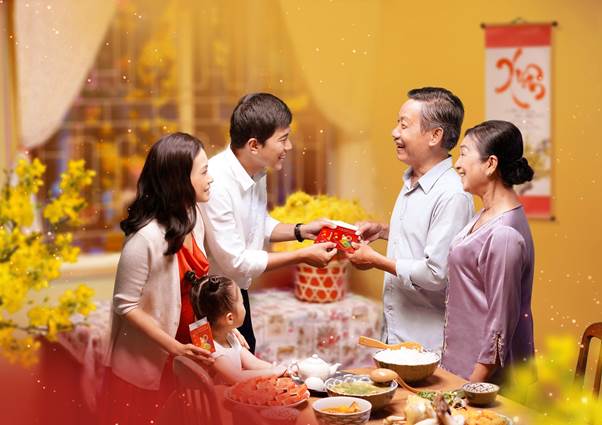
Spending Tet (Local New Year around Feb each year) in the north gave me a close look at how deeply this celebration shapes family life. In the days leading up to the new year, markets overflowed with peach blossoms, square sticky rice cakes, and red decorations carrying blessings for prosperity.
I stayed with a local family who spent the day cleaning their home, preparing altars with fruit, and cooking traditional dishes. At midnight, the streets were quieter than I expected, with most people staying indoors to welcome the new year with their relatives. The next morning, children in bright new clothes visited neighbors to exchange greetings and lucky money. The air carried the smell of incense from every doorway. Each visit, each shared dish, and each small gesture felt intentional, marking a fresh start rooted in tradition and family ties.
- Learn more about Tet Lunar new year in Vietnam
Lantern and Light Festivals in Northern Villages
Initially, I experienced a lantern festival in a small village near the mountains, where the night seemed to glow long before the event even began. Families gathered around wooden tables, crafting lanterns from colored paper, bamboo strips, and thin foil that shimmered in the light. As dusk settled, children carried their lanterns down the narrow lanes, forming a winding trail of soft reds, oranges, and yellows.
Elders followed with candles and incense, stopping at small shrines to offer prayers for peace and good fortune. The reflections from the lanterns danced across ponds and rice terraces, giving the whole village a calm, dreamlike feel. Local musicians added gentle rhythms that carried through the air. It was a simple celebration, yet one that highlighted how strongly communities stay connected through shared rituals of light.
Travel Experiences Around Northern Vietnam’s Festivals
Traveling through the northern Vietnam during festival season gives every journey a sense of movement and meaning. One morning you may find yourself following villagers along a narrow riverside lane, drawn in by drumbeats echoing from a temple courtyard.
Another day, a quiet mountain town suddenly feels alive as families arrive in bright traditional dress, carrying offerings wrapped in banana leaves. I’ve often found that festivals reveal the rhythm of everyday life more clearly than any map or museum. You see how communities gather, what they value, and how traditions pass from one generation to the next. Even small local events feel open and welcoming, and it’s easy to blend in, sit for a cup of green tea, listen to stories, and simply absorb the atmosphere as it unfolds.
Best Time to Travel for Festival Experiences
Planning a trip around festival seasons can bring you a whole new experience. Late January to March often feels like a long celebration, as villages host spring rituals, pagodas fill with worshippers, and markets reopen after Tet.
The air is cooler and clearer, making it a pleasant time for long days outdoors. Summer brings fewer major events, but remote mountain communities hold smaller regional gatherings that feel intimate and deeply local. Autumn, especially during the rice harvest, offers golden landscapes paired with ceremonies of gratitude and community feasting. I’ve always found winter to be quieter, with crisp mornings and fewer travelers, giving some festivals a serene, almost spiritual feel. Each season offers its own rhythm, but the early spring months create the most vibrant festival atmosphere.
Suggested Motorbike Routes for Festival Exploration
Festival season adds a vibrant experience to northern Vietnam’s most scenic routes. The Hanoi to Sa Pa route passes through Bac Ha and Muong Khuong, where markets and village squares come alive with folk singing and traditional dances. Along the Ha Giang Loop, Dong Van, Meo Vac, and Yen Minh host small harvest and ritual festivals, with locals in embroidered attire preparing offerings along limestone ridges.
On the Mai Chau and Pu Luong route, Tay and Hmong communities celebrate seasonal harvests with bamboo flutes, horse racing, and communal feasts. I’ve often found the richest experiences come from taking side roads toward hidden hamlets, pausing to watch villagers performing ceremonies or children carrying incense to local shrines. Allowing flexibility and following sounds of drums or singing often leads to the most authentic encounters with rural festivals.
Hanoi to Sa Pa Route: Festivals Among the Mountains
The journey from Hanoi toward Sa Pa is already one of the most scenic in the north, but festival season transforms the route into a cultural corridor. As you leave the Red River Delta and climb into the hills, villages prepare for local ceremonies with colorful fabric hung outside stilt houses and the smell of sticky rice cooking over wood fires.
In the highlands, it’s not unusual to pass groups of Hmong or Dao families walking toward a gathering, dressed in embroidered outfits that shimmer under the sun. Reaching Sa Pa, you might find a harvest celebration in full swing, with traditional dances performed in open courtyards and elders sharing rice wine with visitors. The combination of cool mountain air, terraced fields, and rich cultural traditions makes each stop along the route feel layered and alive.
Ha Giang Loop: Nature, Culture, and Festival Adventures
The Ha Giang region and the upper frontline offers some of the most dramatic scenery in the country, and festival season adds an extra layer of meaning to the ride.
Deep in the limestone valleys, villages host communal rituals that bring together different ethnic groups who rarely gather in such numbers. I remember arriving in Dong Van during a midsummer event where musicians played traditional flutes from a stone terrace, their sound echoing through the narrow streets.
Children ran between market stalls while elders prepared offerings under the shade of ancient trees. Further along the loop, small hamlets celebrate harvest traditions with shared meals and folk performances that feel both intimate and lively. The interplay of rugged landscapes, winding roads, and local celebrations creates a rare combination of adventure and cultural immersion.
FAQs: Festivals around Northern Vietnam
What is the biggest festival in Vietnam?
The biggest festival in Vietnam is Tet Lunar New Year. It marks the start of the lunar calendar, typically in late January or early February and last around 10 dats, and is celebrated nationwide with family gatherings, traditional foods, and cultural rituals to welcome the new year.
What festival is celebrated in Vietnam in October?
In Late September and October, Vietnam celebrates the Mid-Autumn Festival (Tết Trung Thu). It is a popular event for children, featuring lantern processions, lion dances, mooncakes, and cultural performances that honor the harvest and the full moon.
What is the lantern festival in Vietnam?
The Lantern Festival in Vietnam is most famously celebrated in Hoi An Ancient Town, where the old town is illuminated with hundreds of colorful lanterns on the 14th day of each lunar month. In addition, smaller lantern events also take place in northern villages and around pagodas during festivals like Tết Trung Thu (Mid-Autumn Festival).
What is the full moon festival in Vietnam?
The Full Moon Festival in Vietnam refers to Tết Trung Thu (Mid-Autumn Festival), celebrated on the 15th day of the 8th lunar month. It honors the full moon with lantern displays, lion dances, mooncakes, and traditional performances, especially for children, while also giving thanks for the harvest.
Conclusion: Local Festivals in north of Vietnam
Firstly, Northern Vietnam’s festivals offer a rich mix of culture, history, and local traditions. In addition, from the vibrant streets of Hanoi during Tet and Giong Festival to the mountain villages of Ha Giang and Bac Ha, each celebration not only reflects the values, beliefs, and rhythms of local communities but also showcases their traditions, music, and food, providing travelers with a truly immersive experience.
Seasonal events, harvest ceremonies, and lantern nights provide a window into everyday life, allowing travelers to experience music, rituals, and food that have been passed down for generations. Exploring these festivals adds depth to any journey, connecting landscapes, people, and stories across the region.
- To embrace it more, check out Northern Vietnam motorbike Tours
About the author
Hamid is an avid rider and travel enthusiast who explores Vietnam on motorbikes, seeking authentic experiences. Passionate about local traditions, food, and culture, he travels off the beaten path to discover festivals, villages, and culinary delights. Through his journeys, Hamid shares firsthand insights that help fellow travelers connect with the heart of Vietnam’s communities and landscapes.