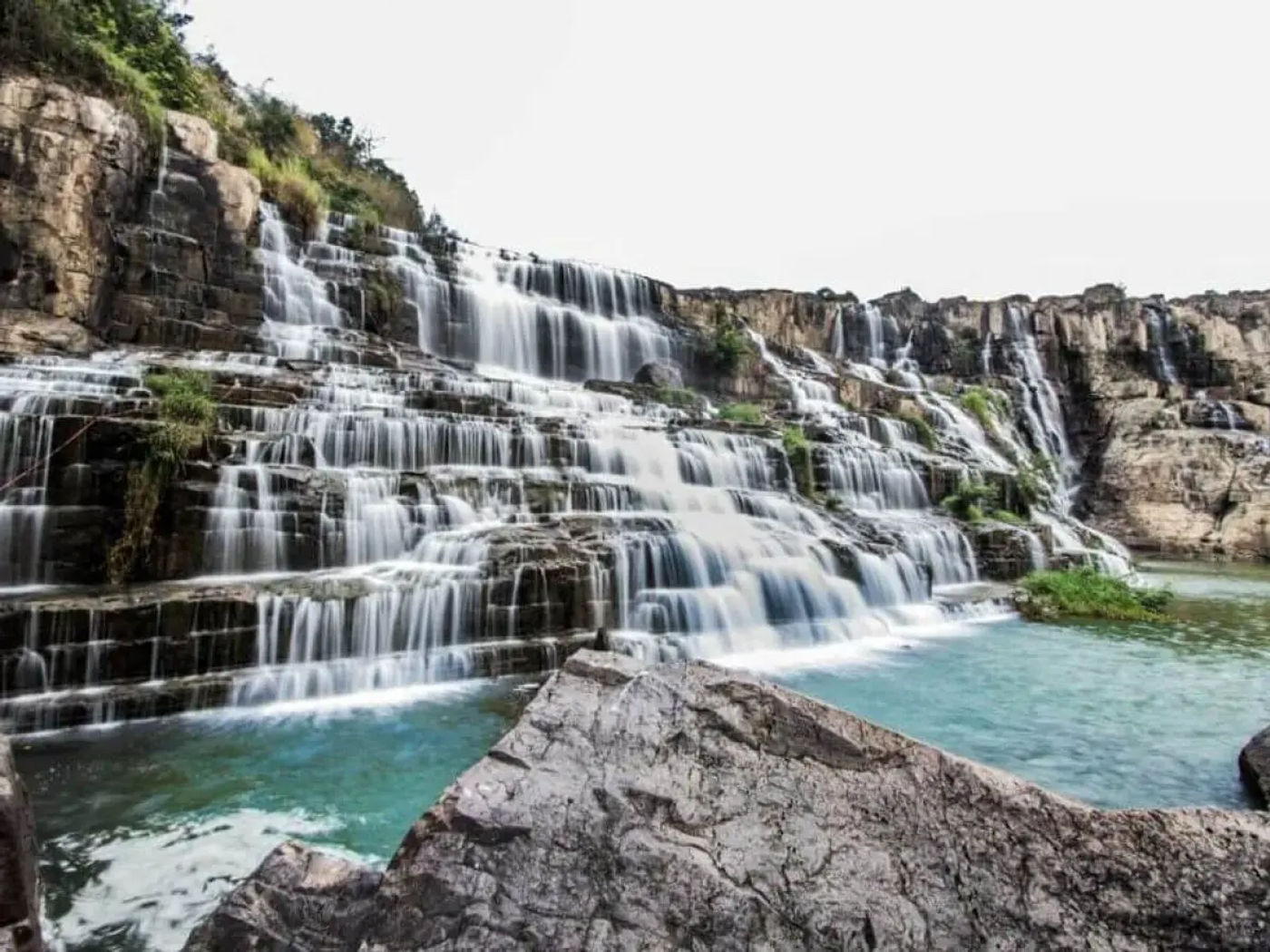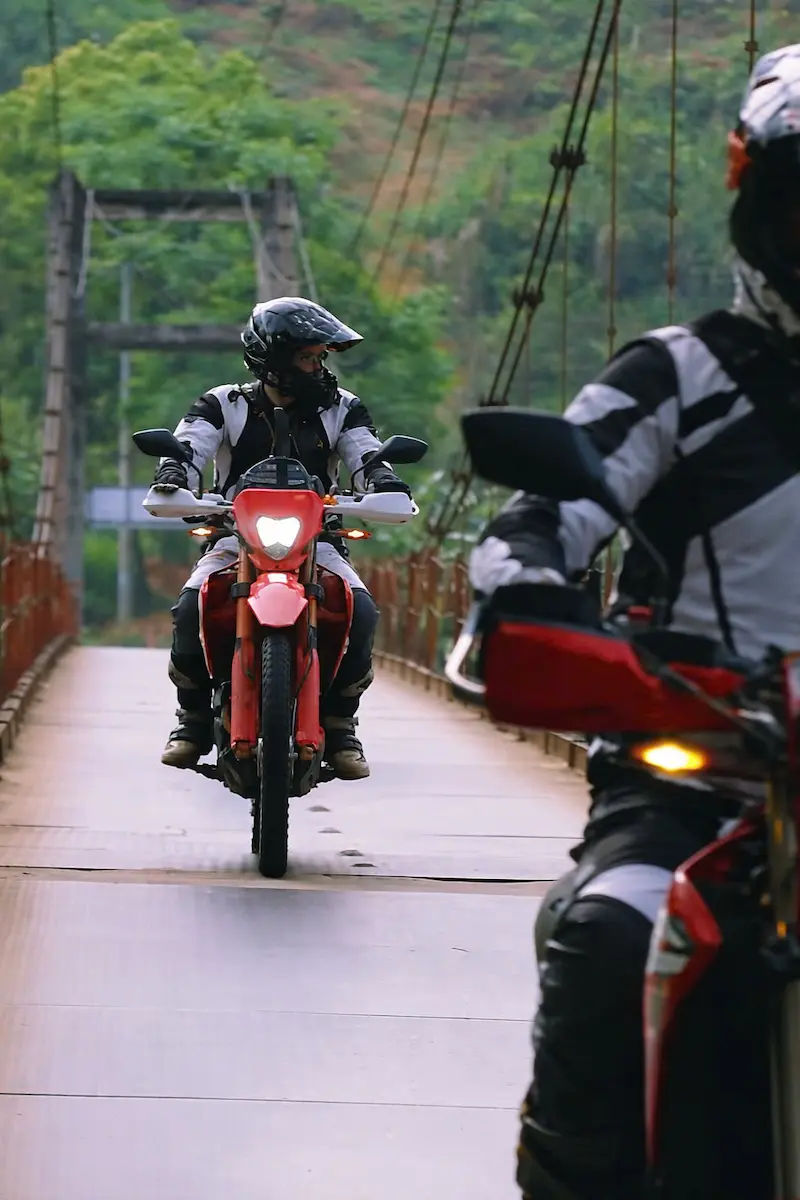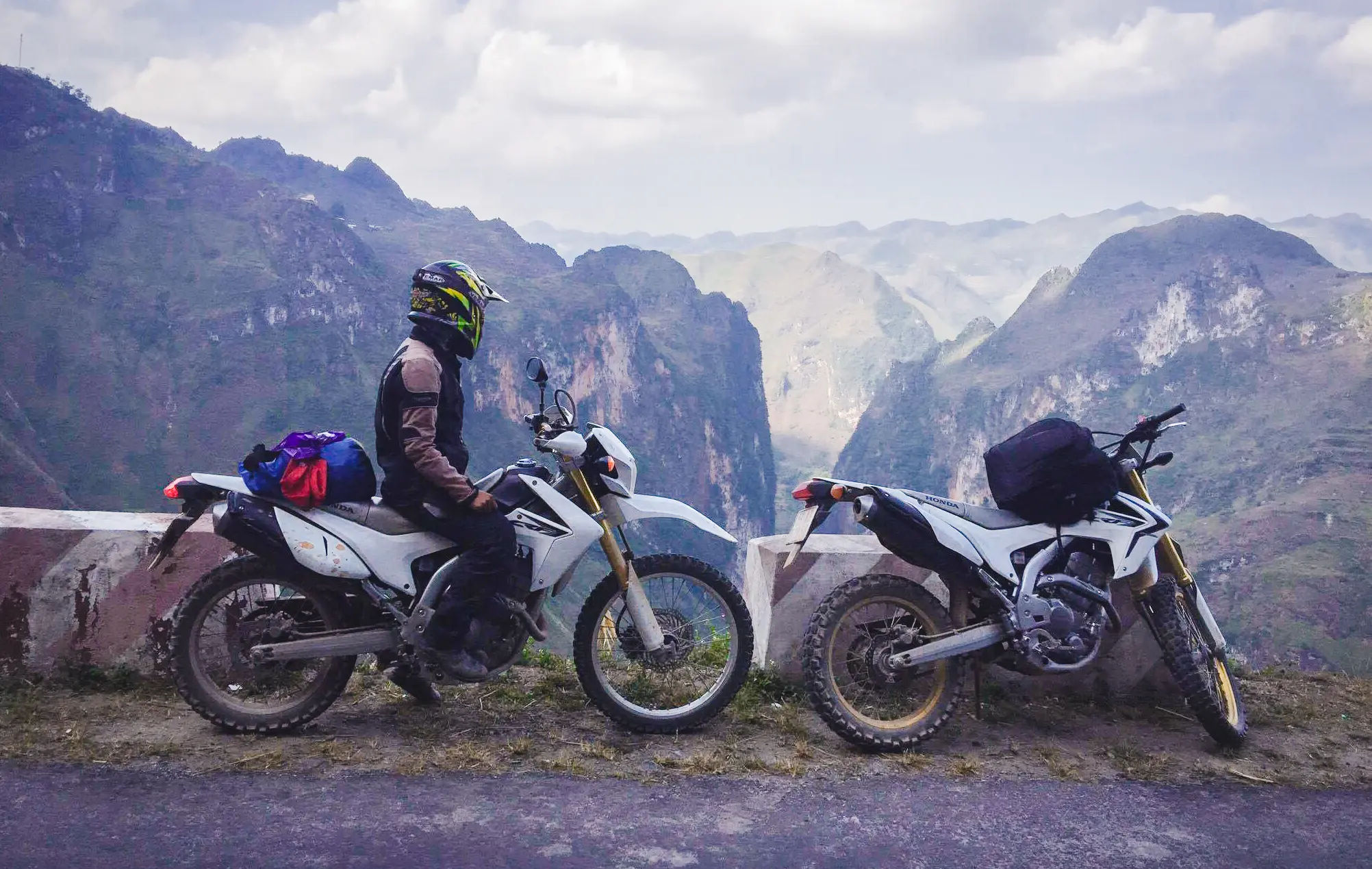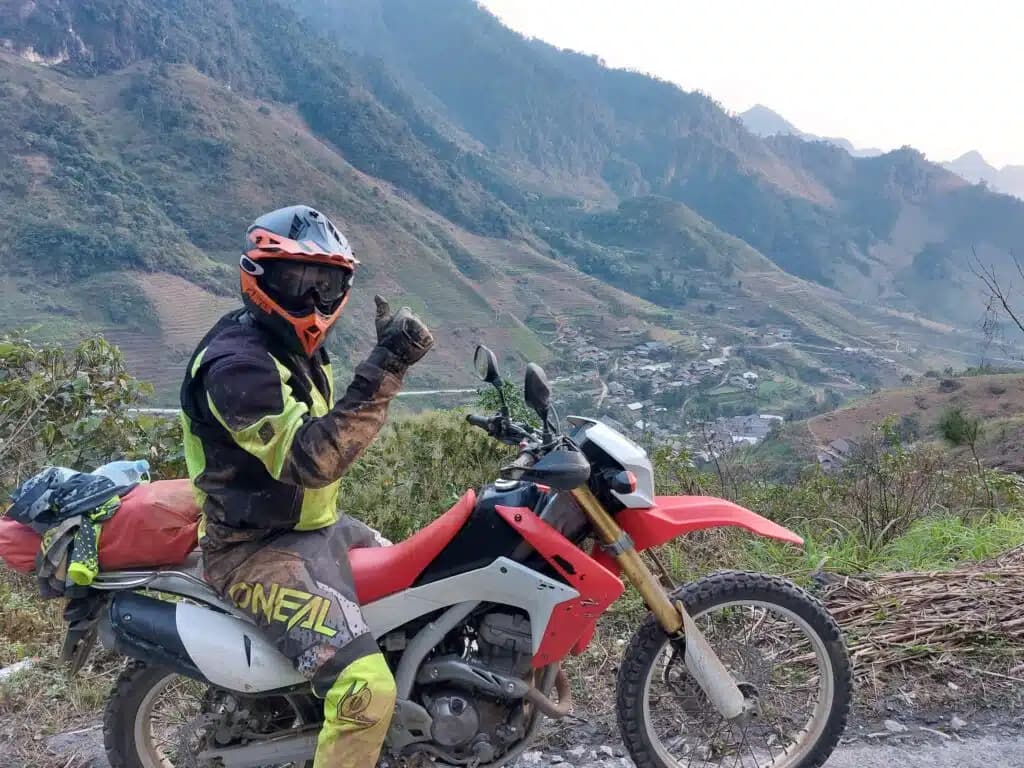
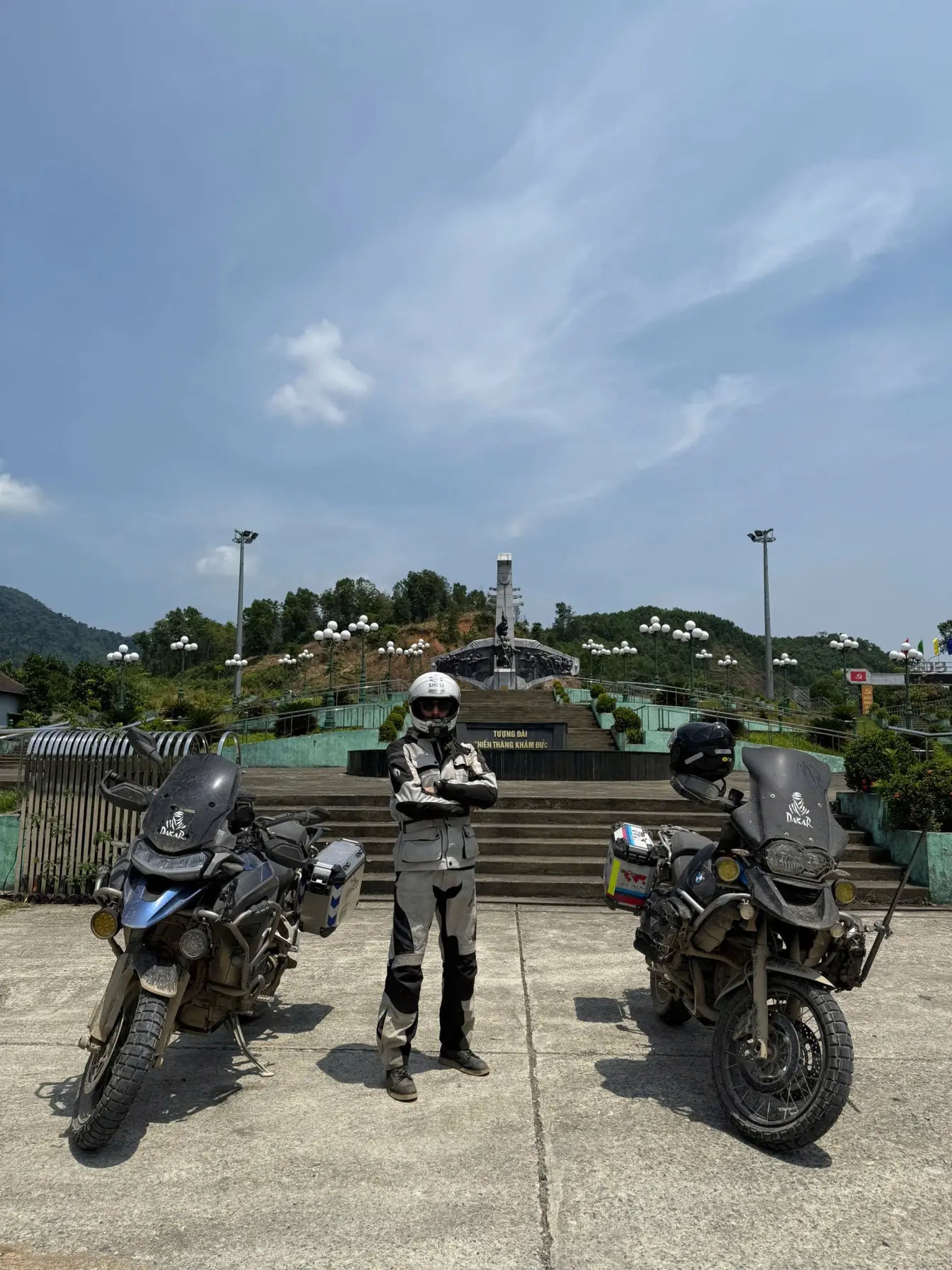
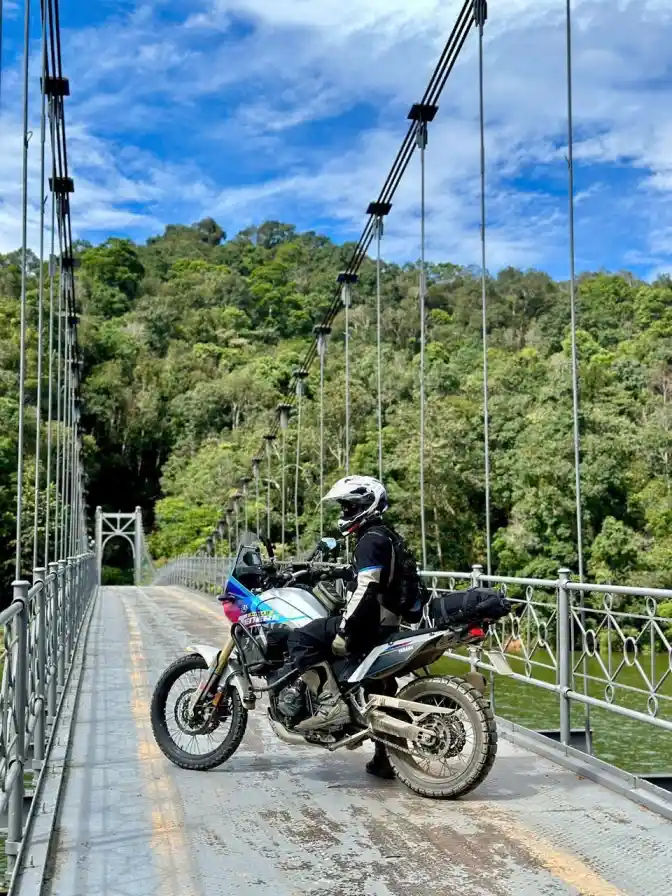
Riding a motorbike from Hanoi to Ho Chi Minh City is one of the most exciting adventures to see Vietnam. Over 10 to 20 days, you’ll pass the infamous Ho Chi Minh Road, crossing mountains, rice fields, coastal towns, and popular stops like Ninh Binh, Phong Nha, the Hai Van Pass, Hue, Hoi An, Battle grounds of Khe Sanh and Ia Trang, Da Lat, and the Mekong Delta. You can follow the smooth coastal route or take the more adventurous Ho Chi Minh Trail through forests and highlands. Many riders mix both for a balanced 14 to 18 day journey. Whether you join an Easy Rider tour or go self-guided, this trip offers freedom, stunning scenery, and a real taste of Vietnam.
What Makes This Route become an iconic adventure ride?
What makes the motorcycle ride from Hanoi to Ho Chi Minh City so iconic is how the scenery changes every single day. One morning you are cruising past limestone cliffs in the north and by the next you are weaving through sleepy fishing towns near the central coast.
Many riders love how the journey feels like a slow dive through Vietnam’s history and daily life. You pass families drying rice by the roadside, farmers working the paddies, and small workshops where mechanics still fix bikes with simple tools. The route also connects major cultural spots like Hue and Hoi An, so you get a good balance of landscapes and heritage. Every rider I have met says the best part is how each region feels different in food, weather, and attitude, which keeps the ride fresh from start to finish.
| Route Option | Distance | Highlights | Ideal For |
|---|---|---|---|
| Coastal Route | Approx. 1,900 km | Hai Van Pass, Hoi An, Nha Trang, Mui Ne | Beginner to intermediate riders |
| Ho Chi Minh Trail | Approx. 1,800–2,000 km | Phong Nha, A Luoi, Khe Sanh, Central Highlands | Experienced riders seeking adventure |
| Mixed Mountain–Coastal | Approx. 1,900–2,100 km | Mai Chau, Phong Nha, Da Lat, coastal towns | Riders wanting variety and balanced terrain |
| Pillion Ride Guided Tour | 10–20 days | Local guides, safer routes, cultural stops | Beginners or anyone who prefers guidance |
Suitable Riding Seasons
I ride t pretty much at any season, I like it, simple as it is, however, most riders say the best months are the dry seasons, when the skies are clearer and the roads feel safer.
From October to April, the north and central regions are cooler, which makes the long stretches more comfortable. Traffic in the mountains also feels calmer during these months. You still need to be ready for sudden showers, especially in the central coast where the weather changes quickly, but most days stay rideable.
Summer can be challenging because the heat picks up and the central part of the country gets very humid, which drains your energy faster. If you ride during rainy season, be careful around mountain passes where fog can roll in without warning. Locals often suggest starting early in the morning and finishing before dark because visibility and road conditions are much better during daylight.
Best Route Options from North to South
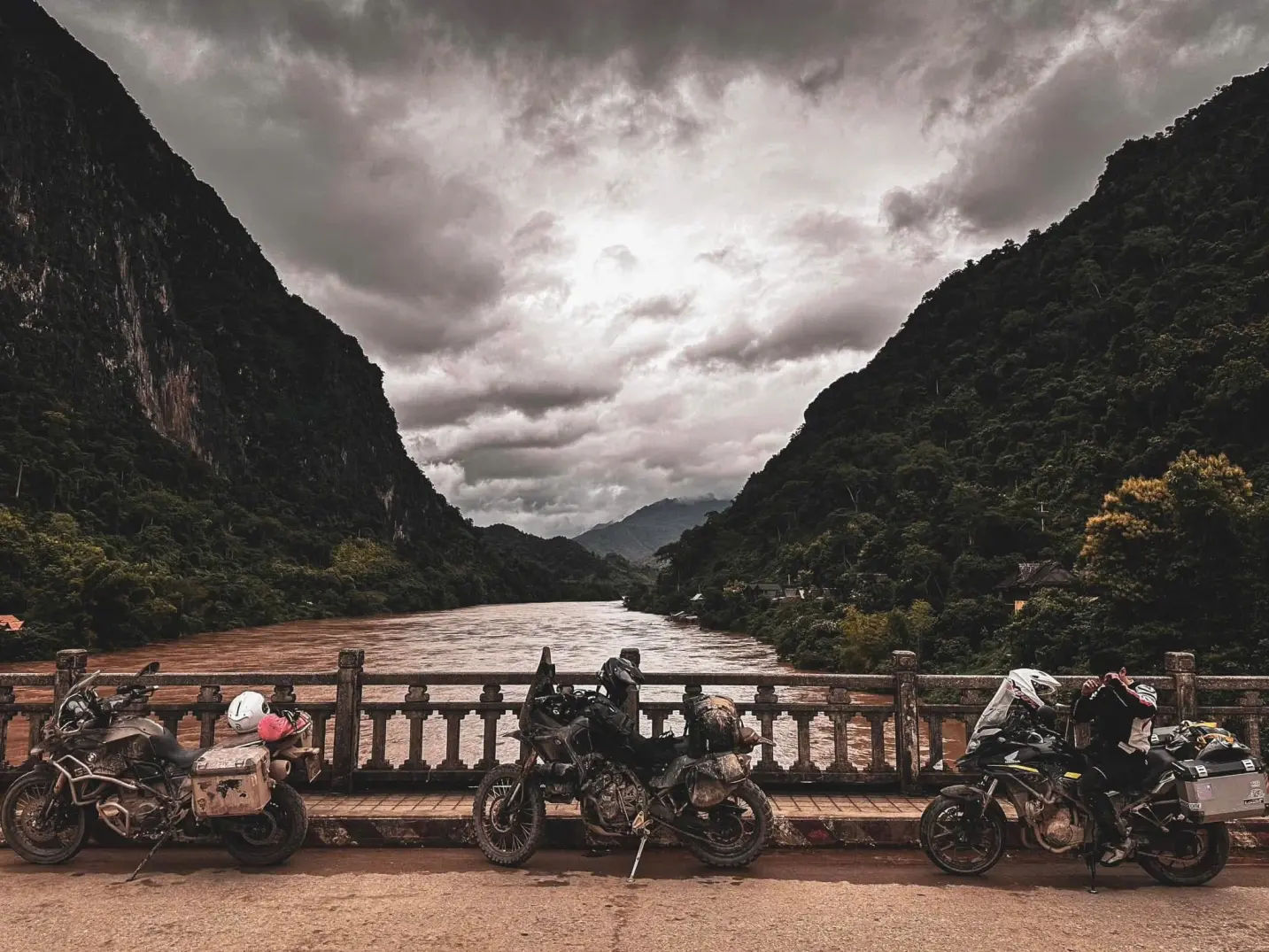
Most riders pick their route based on how much time they have and how much adventure they want along the way. The coastal road is the classic pick because it is smoother, easy to navigate, and packed with towns where you can stop for food or repairs.
If you are the kind of rider who enjoys quiet valleys and long empty roads, the inland route through the mountains is usually more rewarding. You can also mix these two routes, which many riders do to keep the trip balanced. The combination gives you dramatic landscapes in the north, wide beaches in central Vietnam, and green rolling hills as you approach the highlands around Da Lat.
Whichever path you choose, the journey stays engaging because the scenery changes every few hours and each region offers its own rhythm and character.
The Coastal Route via Hue & Da Nang
The coastal route is the go to option for riders who want steady roads and plenty of places to stop and explore. Starting from Ninh Binh and working your way south, you follow long stretches of open coastline and pass cities like Hue and Da Nang where you can take a break, enjoy local dishes, and walk around the old quarters.
Many riders look forward to the Hai Van Pass along this route because the views open up around every corner and the traffic is usually manageable. The coastal towns also give you easy access to beaches, fishing markets, and small family guesthouses. You can ride at a relaxed pace, knowing that fuel stations and mechanics are never too far away. It is a good choice for beginners because the terrain is mostly gentle and the days feel smooth and scenic.
The Mixed Mountain–Coastal Route
The mixed route is perfect for riders who want the best of both, the trails and the coastal roads. You begin with mountain roads where the air feels cooler and the traffic thins out.
Places like Mai Chau and Phong Nha give you quiet landscapes and small villages where people still live at a slow pace. After a few days inland, you drop down toward the coast and enjoy easier riding with more facilities. This combination helps break up long days and gives you a better look at how different the country’s regions really are.
The highlands around A Luoi and the backroads to Da Lat offer some of the most memorable scenery, especially in early morning light. Riders who choose this route usually enjoy a sense of variety, since one day feels rugged and remote while the next brings you back to lively seaside towns.
- Check out how to rent a motorbike in Vietnam
Must-See Attractions Along the Journey
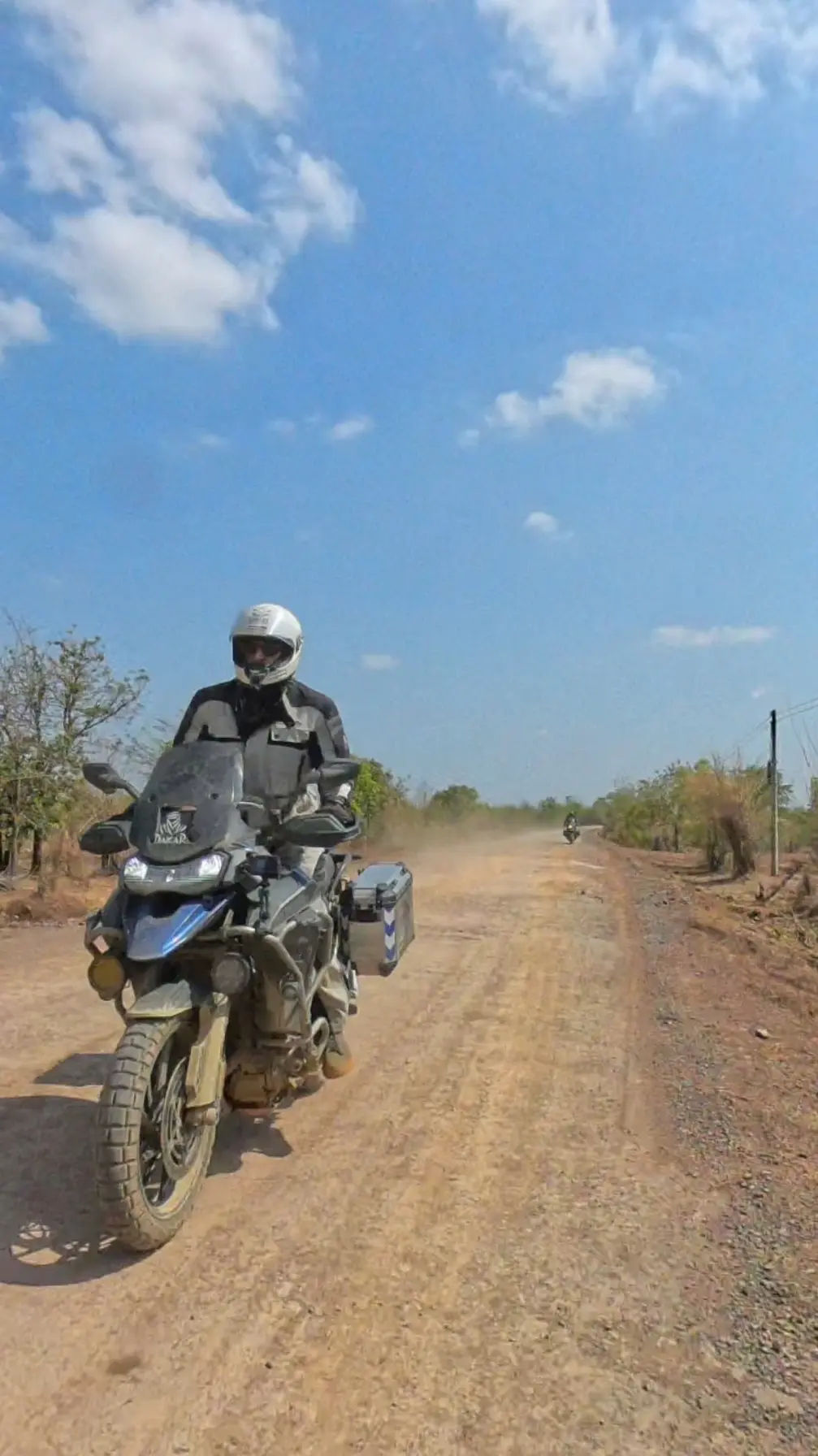
One of the best parts of this long ride is the range of attractions you can visit along the way. Ninh Binh is often the first major highlight with its river valleys and limestone mountains. Many riders then make their way to Phong Nha for caves that feel almost unreal in size. Hue and its royal sets, brings imperial history and traditional food, while Hoi An offers lantern lit streets and calm riverside evenings.
As you continue south, Da Lat stands out with its cooler climate and pine covered hills. Toward the end of the ride, the Mekong Delta gives you quiet canals and floating markets. These attractions break up the long road days and give you a deeper sense of how varied Vietnam is. Each stop also adds something different, from culture and nature to food and local stories.
- Check out Speed limits and traffic laws in Vietnam
Historical Sites in Hue
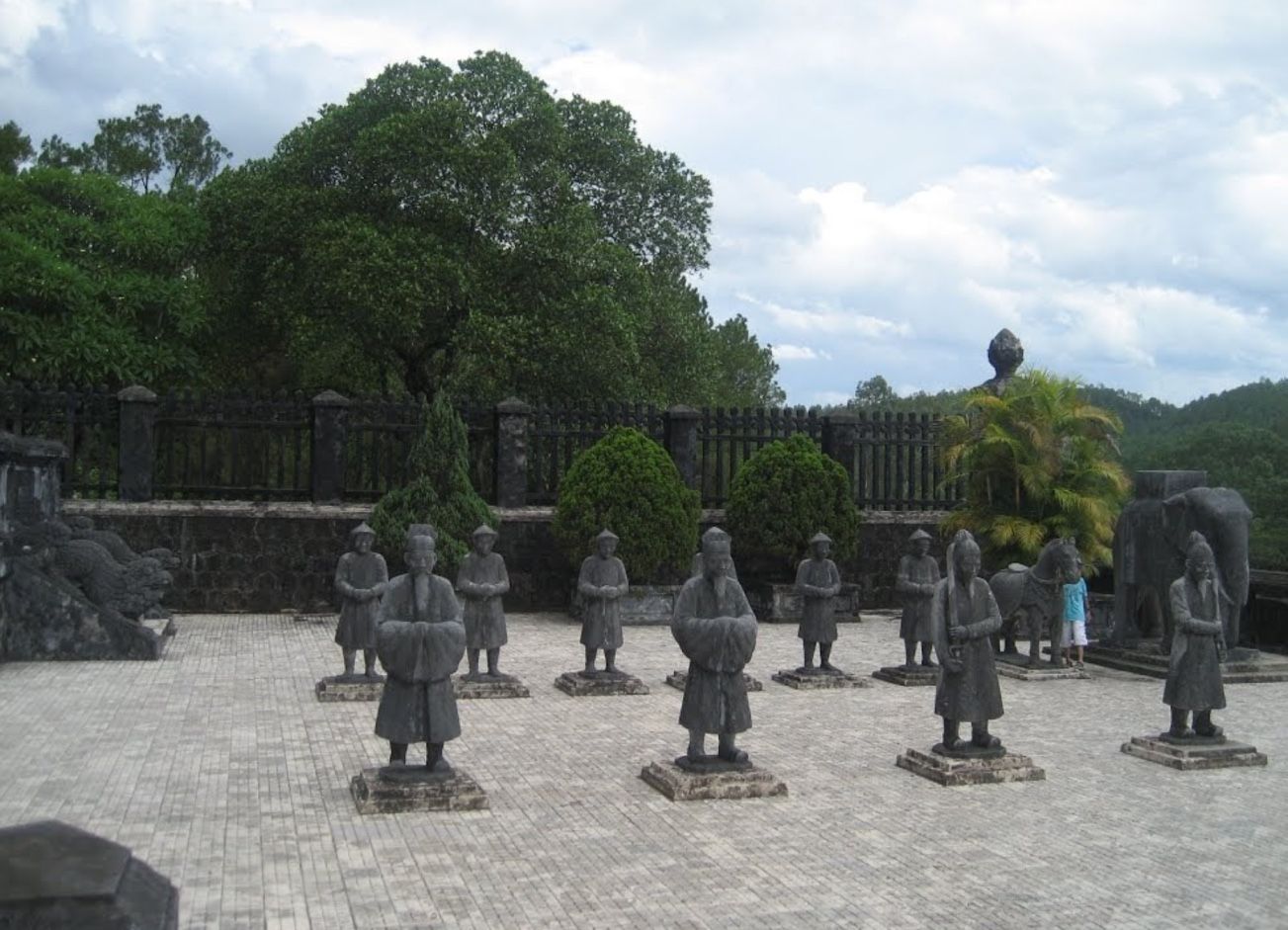
Hue is one of the most meaningful stops for riders who enjoy history and culture. The Imperial City is often the main draw, with its old walls, courtyards, gates, and detailed architecture that reflects Vietnam’s royal past.
Many riders also explore the royal tombs scattered around the outskirts of the city. Each tomb has its own layout, story, and style, so visiting a few gives you a good look at how the Nguyen dynasty shaped the region. The roads around Hue are also interesting because they pass through small villages where you can see traditional crafts like incense making.
Another popular stop is the Thien Mu Pagoda, which sits by the river and offers a peaceful break from the busier parts of the city. Spending a full day here helps you understand why Hue is such an important cultural destination.
- Check out Travel Guide & Attractions in Hue
Recommended Motorbikes for Long-Distance Tours
Choosing the right motorbike can make your entire trip more adventurous. Many riders prefer touring models because they handle long distances with less strain on the body, and of course, we offer all of them on our tours, such as BMW motorbike Tours in Vietnam.
They offer stable frames, comfortable seats, and strong engines—features you’ll appreciate during long days and steep mountain climbs. Popular choices for a North–South Vietnam journey include the Honda XR150L, Honda Winner 150, Honda CB190X, Honda CRF250, Honda CB500X, and even premium options like the BMW GS series for riders who want maximum power and comfort.
If you prefer something lighter, automatic and semi-automatic scooters (such as the Honda Air Blade or Honda Wave) remain extremely popular. They’re easier to control in busy traffic and simple to repair almost anywhere in the country. Before starting the journey, most riders recommend checking the brakes, lights, chain, oil, and tires, especially if you’re renting.
Vietnamese mechanics can fix most issues quickly, but starting with a solid, well-maintained bike saves time and avoids stress. Above all, choose a motorbike you feel comfortable riding, not just one with the biggest engine. When you’re spending hours on the road each day, comfort matters more than anything.
- Check out Big Bike tour options in Vietnam
Touring & Scooter Options
Touring bikes are often the choice for riders who want more power and stability on highways and mountain roads. Models like the Honda such as enduro, XR, and XB models give you enough strength for uphill climbs and long stretches.
They also carry luggage more comfortably, which matters a lot on a multi day trip. Scooters, on the other hand, are great for riders who want something simple and easy to maneuver.
Automatic scooters like the Honda Air Blade or Vision are perfect for city traffic and light coastal roads. They use less fuel and are incredibly easy to repair anywhere in Vietnam. Some riders even switch between the two styles depending on their confidence and riding habits. Both options work well as long as you keep the bike serviced and choose one that suits your riding style.
Safety Tips for Long-Distance Riding
Safety becomes a big part of the journey once you spend many days on the road. Most riders start by keeping a steady pace instead of rushing, especially on unfamiliar routes where road conditions change quickly.
Fog, loose gravel, and sudden potholes appear often, especially in the mountains, so it helps to slow down when entering new terrain. Locals always stress the importance of using your horn lightly at blind corners because it alerts other riders and trucks. Another useful habit is checking your bike every morning.
A quick look at the tires, chain, lights, and oil level can save you from bigger problems later. Many riders also take frequent breaks, usually every hour or so, to rest and drink water. Staying alert matters more than anything. Riding tired is one of the biggest risks, especially late in the afternoon when your focus drops.
Budget Planning for the North–South Ride
Planning your budget for a Hanoi to Ho Chi Minh City ride becomes easier once you break everything into daily costs. Most riders set aside money for fuel, food, accommodation, and small repairs. Fuel is affordable at about 80 cents per liter, so even long riding days stay budget friendly. Motorbike tours prices vary, usually from 150 to 250 USD or more depending on the model and condition.
Accommodation is flexible, with simple guesthouse rooms starting around 20 USD and upscale hotels with pools and breakfast costing more. Food ranges from cheap roadside meals to mid-range restaurants in bigger towns. Unexpected expenses like a tire change or extra rain gear can come up, so it helps to keep some spare cash ready. You can travel cheaply or upgrade whenever you want.
Best Places to Stay on the Hanoi–HCMC Route
You will find plenty of good places to stay throughout the journey, and each region offers its own style. In Ninh Binh, many travelers pick homestays surrounded by rice fields because the views feel peaceful after a long riding day. Phong Nha has small hostels and friendly guesthouses where riders often gather in the evening to share stories over dinner.
Hue and Da Nang have a wider range of hotels, from budget picks to comfortable mid-range rooms with breakfast included. When you reach Hoi An, many people choose family-run accommodations near the old town or beach. In the highlands, Da Lat offers cozy rooms with cooler weather, which makes resting easier. As you ride toward the south, the Mekong Delta towns provide simple riverside stays. Most riders enjoy how flexible accommodation is, since you can decide your next stop on the same day.
Best Time of Year for Hanoi–Saigon Motorbike Tours
Choosing the right season makes the ride smoother from start to finish. Most riders prefer traveling between October and April because the temperatures are cooler, the skies stay clearer, and the roads feel safer. During these months, the northern mountains stay crisp in the mornings and evenings, which is ideal for long days on the bike.
Central Vietnam can still get sudden showers, but the chances of heavy storms are lower than in the summer. From May to September, the heat increases, especially near the coast, and the central region sees more rain, so riding becomes more tiring. If you decide to go during the rainy season, you will need to plan around afternoon showers and start early in the day. Every region has its own weather pattern, so checking forecasts before each riding day helps you avoid rough patches.
Essential Gear for Long-Distance Vietnam Motorbike Tours
Packing the right gear makes a huge difference on a ride that stretches across the country. Most riders start with a good-quality helmet, riding gloves, and a jacket that protects against both sun and wind. Lightweight rain gear is something you will use more than expected, especially in central Vietnam where sudden showers are common.
Many riders also carry a small tool kit with basic items like a wrench, spark plug, tape, and tire patch materials. It helps to keep a dry bag for your clothes, electronics, and documents because humidity and rain can catch you off guard. Comfortable shoes and breathable clothes make long riding days easier. Some riders also pack a neck gaiter to keep dust away.
A phone holder and power bank are useful for navigation, and a reusable water bottle keeps you hydrated without stopping too often.
- Learn some essential tips for motorcycle maintenance
FAQs: Hanoi to Ho Chi Minh City motorbike ride
Can you ride a motorbike from Hanoi to Ho Chi Minh (Saigon)
Yes, you can. Many travelers ride the full route, and it is one of Vietnam’s most popular long-distance trips. Prepare well, choose a proper motorbike and plan it wise.
Can I drive a motorbike in Vietnam with my UK license?
Not legally. A UK license alone is not valid in Vietnam. You need either an International Driving Permit (1968 convention) with the correct category (ride motorbike) or a local Vietnamese license.
Is it hard to ride a motorcycle in Vietnam?
Not really. even though it can be challenging at first because of the traffic, weather, and mixed road conditions. Once you get used to the flow and ride at a steady pace, it becomes manageable for most travelers.
Conclusion: Vietnam motorbike tour from Hanoi to Ho Chi Minh City
Riding from Hanoi to Ho Chi Minh City is a journey that lets you see Vietnam’s landscapes, culture, and daily life at your own pace. The best time to go is during the cooler, drier months when the roads feel safer and the views are clearer.
Many riders choose this route because it offers freedom, variety, and countless places to stop and explore. With the right bike, proper gear, and realistic planning, the trip becomes smooth and enjoyable. Whether you follow the coast or take the mountain trails, this ride gives you a deeper connection to the country and its people.
- Ready for an adventure? Check out ideas and itineraries on our Motorbike tours in Vietnam
About the author
Hamid is a rider & writer based in Vietnam who spends most of his time exploring the country by motorbike, camera in hand. He focuses on practical, experience-based guides that help travelers navigate real routes, local food spots, and cultural highlights. After years of riding from the northern mountains to the Mekong Delta, he brings firsthand knowledge and clear advice to every article. His writing blends traveler curiosity with local insight, making complex trips feel approachable for beginners and seasoned riders alike.