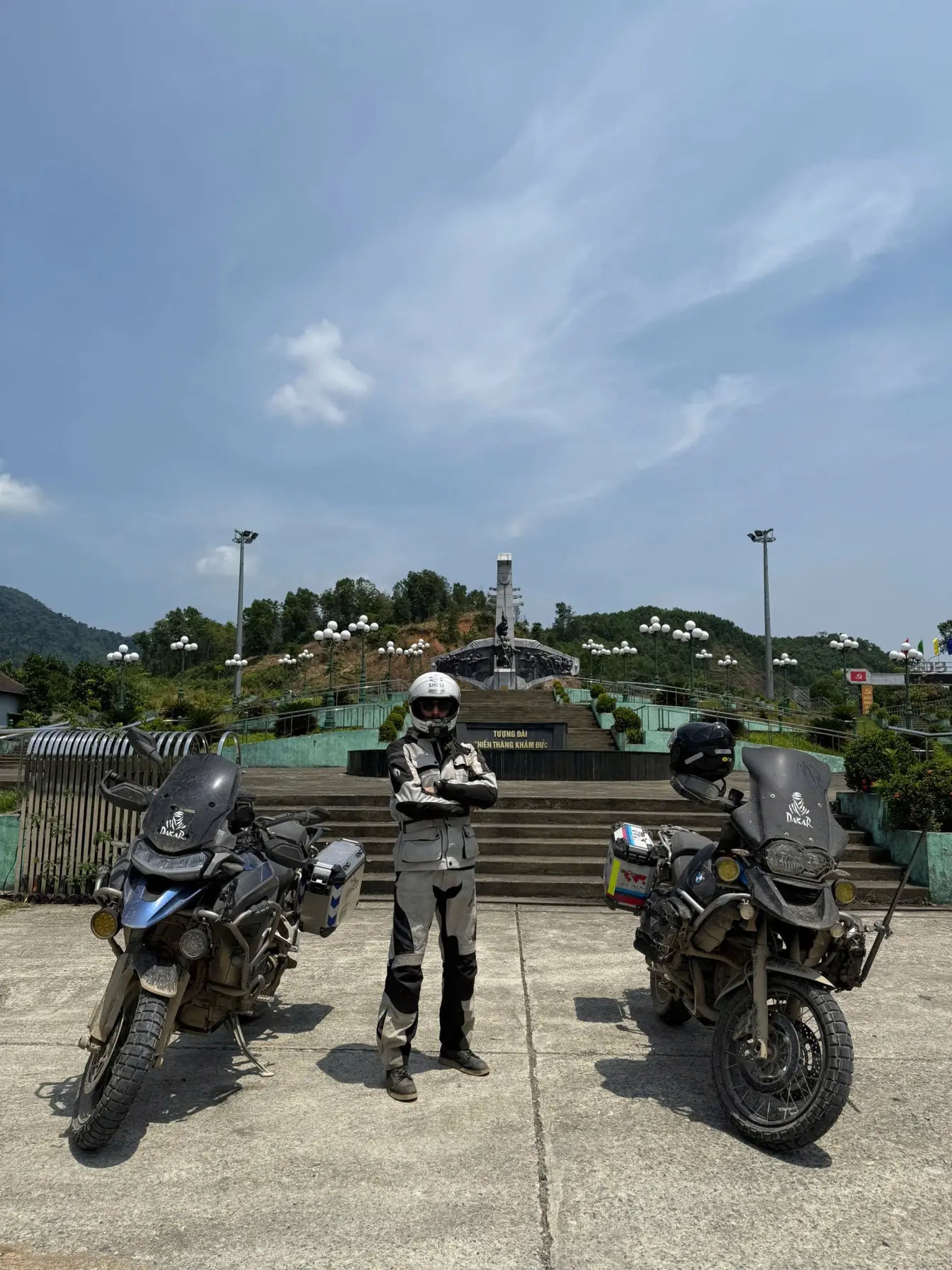
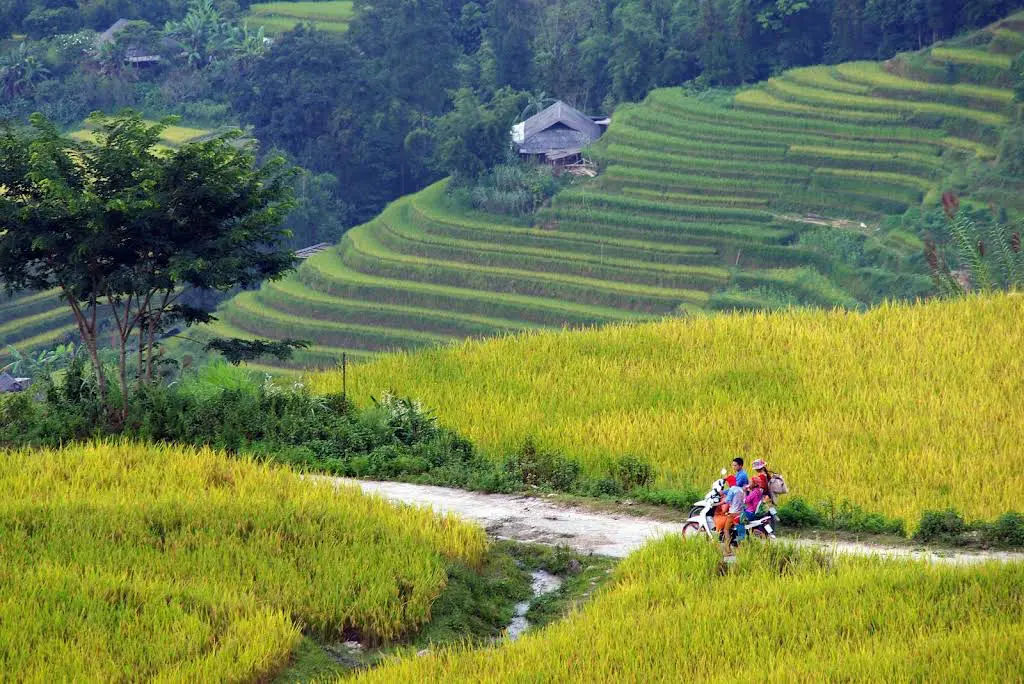
Riding through Northern Vietnam’s mountains can be a whole new experience for many of us visiting the region, but rain and fog make the journey much more challenging. Weather in this region changes fast, and roads can turn slick, narrow, and unpredictable within minutes. To stay safe, it’s important to prepare properly, ride with smooth control, and stay alert to the terrain, traffic, and unexpected obstacles that often appear on the road. Bright, reflective gear, steady pacing, and clear communication become even more important when visibility drops. Understanding local conditions, sharp corners, steep paths, landslide zones, and animals wandering onto the road helps you react early and avoid dangerous situations. Checking the forecast, knowing when to slow down, and taking breaks to stay warm all play a big role in keeping your ride safe and enjoyable, even in challenging weather.
- Check out motorbike tours in Vietnam
| Tip Category | Safety Tip |
|---|---|
| Visibility & Gear | Wear bright, reflective clothing and turn on headlights. Take frequent breaks to warm up in foggy or wet conditions. |
| Riding Techniques | Slow down, increase following distance, and use gentle braking, steering, and throttle control to avoid skidding. |
| Road & Terrain Awareness | Watch for sharp turns, slippery rice fields, and landslides. Stick to marked roads and avoid shortcuts. |
| Group Communication | Keep visual contact with others in the group. Use hand signals or intercoms to communicate stops and turns. |
| Weather & Storm Preparedness | Check weather forecasts before rides. If rain or fog is severe, wait at a safe location until conditions improve. |
Essential Safety Tips for Riding in Rain and Fog in Northern Vietnam
Riding through Northern Vietnam in rain or fog can feel completely different from a clear-day trips, and many riders only understand this once they’ve climbed into the high passes after a storm.
Visibility can drop fast, so bright, reflective clothing and steady lighting help other vehicles notice you early. Roads become slick, especially on corners, so easing off the speed and keeping a smooth hand on the brakes and throttle makes a real difference.
Locals riders or herds of animals may appear suddenly from the mist, so giving yourself more space to react is important. Mountain roads also change with the weather mud, loose gravel, or small landslides can block a line without warning. Taking short breaks to warm up at tea stalls keeps you focused, and checking the local forecast before setting off helps you plan the day with more confidence. Staying aware of the terrain, reading the road signs, and communicating clearly if you’re traveling with a group can turn a difficult ride into a safer and more enjoyable part of exploring the region.
- Check out Speed limits & traffic laws in Vietnam
Why Rainy and Foggy Weather in Northern Vietnam Is More Dangerous
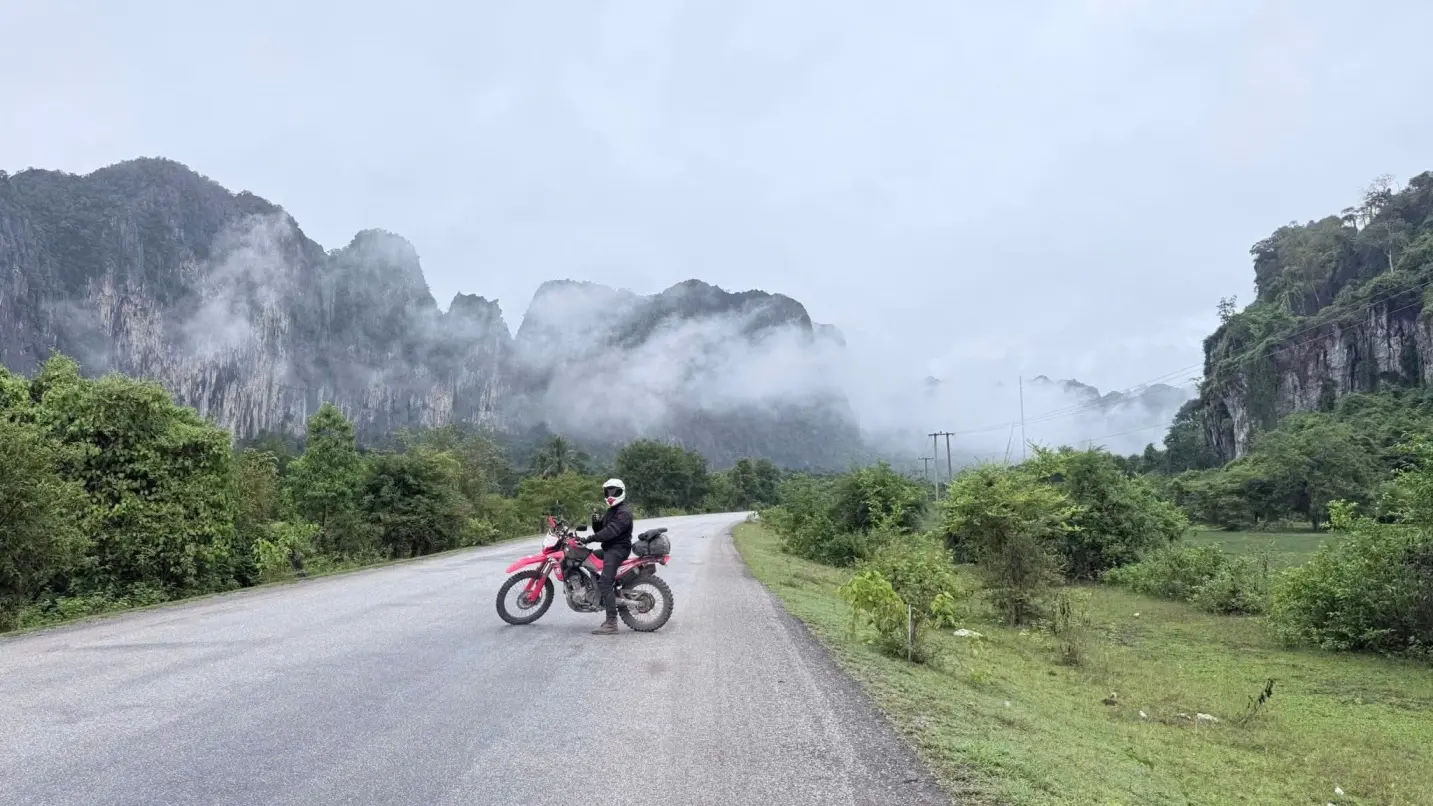
Rain and fog in this part of Vietnam create a mix of challenges that can catch even confident riders off guard. In the mountains, weather changes quickly, and the mist can roll in without warning, shrinking visibility to just a few meters.
When the clouds sit low over the passes, it becomes harder to read the curves, spot oncoming traffic, or judge the distance of a drop-off. At the same time, rain turns the mountain surface slick, especially on sections paved with old concrete or moss-covered patches.
Trucks and buses also use these routes, and they may appear suddenly from the mist. After riding these roads many times, I’ve learned that the combination of wet surfaces, steep descents, and limited views demands extra patience and slower movement. The scenery is beautiful, but the weather can test anyone, so staying alert is the best way to enjoy the journey safely.
- Check out Ha Giang lop motorbike tours
Essential Gear for Riding in Rain and Fog
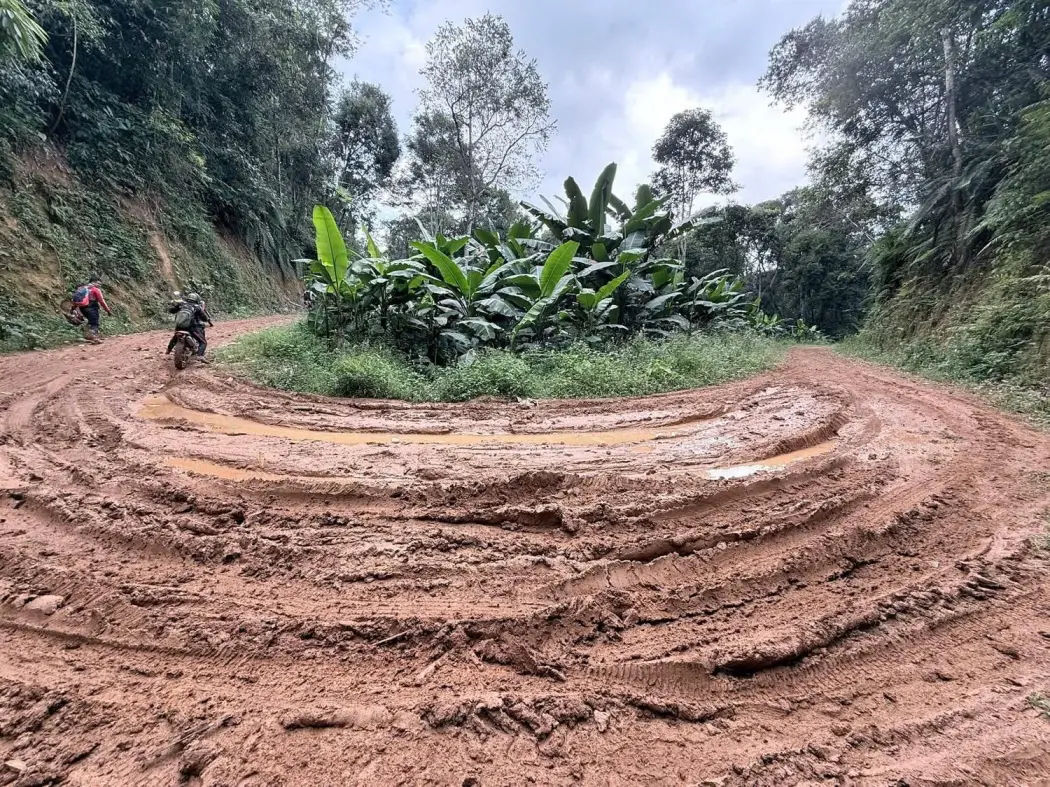
Riding through the mountains during rainy or foggy days requires gear that can handle changing conditions without slowing you down. After spending years on these routes, I’ve learned that proper equipment makes the ride calmer and much safer. Weather can shift in minutes, from light drizzle to thick mist that blurs everything around you, so having the right items packed and ready is key.
- Check out Vietnam on a big bike tour
A strong rain jacket, waterproof gloves, and a helmet with a clear visor can make a huge difference when the mountain air turns cold and damp. Many riders also overlook small items like anti-fog spray, neck warmers, or quick-dry layers, but these make long days far more manageable. In mountain regions where villages are far apart, carrying dependable gear gives you peace of mind.
The roads might challenge you, yet being well-prepared helps keep the experience steady and enjoyable.
Best Waterproof Clothing for Vietnam’s Mountain Roads
Choosing waterproof clothing for riding through the frontier areas and highlands can save you from long, chilly hours on the road. Rain jackets made with breathable material work best because they keep water out while preventing moisture from building inside. I’ve found that having rain pants with strong zippers on the sides helps with quick changes when storms push in suddenly.
Good gloves matter more than most people expect; wet hands get cold fast, and once your fingers stiffen, handling the controls becomes harder. A high-quality pair with grippy palms stays reliable even on steep climbs or long descents. I always keep a packable waterproof layer in my luggage since sudden showers can appear even during dry seasons. Mountain weather is rarely predictable, so clothing that dries quickly and seals tightly makes every ride more comfortable.
- Check out our BMW GS Tours
- Popular motorcycle routes & tours in Vietnam
Safety Equipment You Must Carry
Packing safety equipment is essential when traveling through the northern mountains, where services can be spread out and help may take time to arrive. A basic first-aid kit should always be within reach, especially on remote routes where minor cuts or scrapes need quick attention.
I also carry a compact toolkit with spare fuses, a small wrench, tire patches, and a reliable air pump. These items have saved me more than once in areas with no repair shops in sight.
A flashlight, reflective straps, and a whistle are also worth bringing nightfall in the mountains can be surprisingly dark, and being visible matters. Keeping water, snacks, and a power bank helps during unexpected delays. Over the years, these essentials have turned stressful moments into manageable ones, allowing the journey to continue smoothly.
Safe Riding Techniques for Wet Conditions
When the roads turn wet, riding in Northern Vietnam requires a calmer rhythm and extra awareness. I’ve learned that slowing down earlier before climbs and curves helps keep control steady. Wet surfaces can mask hidden hazards like potholes, loose gravel, or small rivers of water cutting across the road.
Staying relaxed, looking farther ahead, and planning movements early makes the ride feel more predictable. I keep a wider distance from other vehicles too, since trucks and buses often splash large sheets of water that can blur your vision. Gentle inputs work best—smooth acceleration, light braking, and steady steering. I treat every downhill section with patience, knowing the road grip can shift quickly. Over time, these techniques have kept me safe through monsoon rains and misty mornings.

Proper Braking Techniques on Wet Roads
Braking on wet mountain roads becomes safer when you apply pressure slowly and let the tires maintain steady contact with the surface. Sharp squeezes can make the bike react suddenly, especially on older concrete sections or mossy patches. I usually apply the brakes earlier than usual, giving myself plenty of distance to slow down.
Keeping my posture relaxed helps the tires grip better, and I avoid braking while turning unless absolutely necessary. If the road slopes down sharply, I control my pace by slowing before the descent rather than during it. Riders often underestimate how long stopping takes in wet conditions, but after many mountain trips, I’ve learned that cautious braking makes all the difference when dealing with rain, mist, and narrow roads.
- Check out comparison: Off-road vs Street motorbikes
How to Avoid Skidding on Mountain Curves
Avoiding skids on mountain curves requires patience and careful body movement. I always enter each bend slower than I think necessary because wet surfaces can hide slick patches.
Looking through the curve helps guide your line and avoids sudden corrections. Keeping the bike upright and leaning smoothly with the turn rather than jerking the controls keeps the tires stable. I also stay off shiny concrete strips or darker wet patches where moss tends to grow. On mountain passes like those around Ha Giang or Sapa, it’s common to see trucks drifting wide, so maintaining extra space gives you a safer margin. With steady speed, light braking before the bend, and a calm approach, skidding becomes far less likely, even on long stretches of rain-soaked mountain roads.
Special Tips for Riding in Heavy Fog in Northern Vietnam
Heavy fog in the northern mountains can turn familiar roads into a landscape of shadows and blurred shapes. During my rides, I’ve learned that slowing down and staying visible are two habits that truly help.
Keeping your headlights on low beam prevents glare and lets you see the road more clearly. Reflective stickers on your jacket or luggage help other travelers spot you sooner, especially on narrow mountain passes. I tend to follow road markers and painted lines closely, using them as guides when visibility drops to just a few meters. Staying alert for trucks is also important, as they often appear suddenly out of the mist. Riding with a steady pace and keeping a wider space from the edge of the road helps you stay safe until the fog starts to lift.
Essential Pre-Ride Maintenance for Northern Vietnam Trips
Before any ride through Vietnam’s mountains, checking your bike carefully can save hours of trouble later. I always examine the brakes first since steep descents demand strong stopping power.
Tires need enough tread to handle wet patches, and proper air pressure helps with grip on uneven surfaces. I check the chain for tension and lubrication, especially before routes with long climbs. Lights, horn, and indicators must work perfectly because mountain fog relies heavily on visibility.
I top up engine oil, test the battery, and make sure all tools are packed in place. Over the years, these simple habits have kept my trips smooth, even on long journeys where villages are far apart. A few minutes of maintenance before the ride makes the whole day safer and more enjoyable.
Common Riding Mistakes in Rain and Fog
Many riders visiting Vietnam in general, underestimate how fast the weather can shift, and that leads to mistakes that make the journey harder than it needs to be.
One common error is keeping the same speed used on dry roads, even when surfaces turn slick from drizzle or thick fog settles over the valleys. Another mistake I see often is riders relying too much on rear braking during downhill stretches, which causes sliding on wet concrete.
Some travelers also follow trucks too closely, forgetting how strong the spray from their tires can be. Others keep their visors fully open to stop fogging, only to get raindrops in their eyes at the wrong moment. Fog also hides sharp bends, and many newcomers lean too late or too suddenly. After years riding this region, I’ve learned that slowing down early, keeping a steady posture, and planning movements ahead helps avoid nearly all of these issues.
- Check out: Comparing Ha Giang & Cao Bang
Tasks Before Riding, During the Ride, and After Stopping
Preparing for a day on northern roads becomes much easier when you follow a steady routine. Before riding, I always check the brakes, lights, tire pressure, and rain gear, even if the sky looks bright.
Weather shifts quickly in the highlands, and having everything ready prevents trouble later. During the ride, I keep an eye on the road surface and watch the treetops for wind changes that signal fog or rain. Taking short breaks helps me stay alert, especially on long mountain climbs. After stopping for the day, I give the bike a quick inspection, clean the visor, and let my gloves and jacket dry. These small habits keep the next day smooth and safe. Over time, this simple routine has allowed me to enjoy the beauty of the region without rushing or worrying about sudden problems.
- Check out the lesser known routes along the Ha Giang
Safety Tips for Riding on Northern Vietnam’s Famous Routes
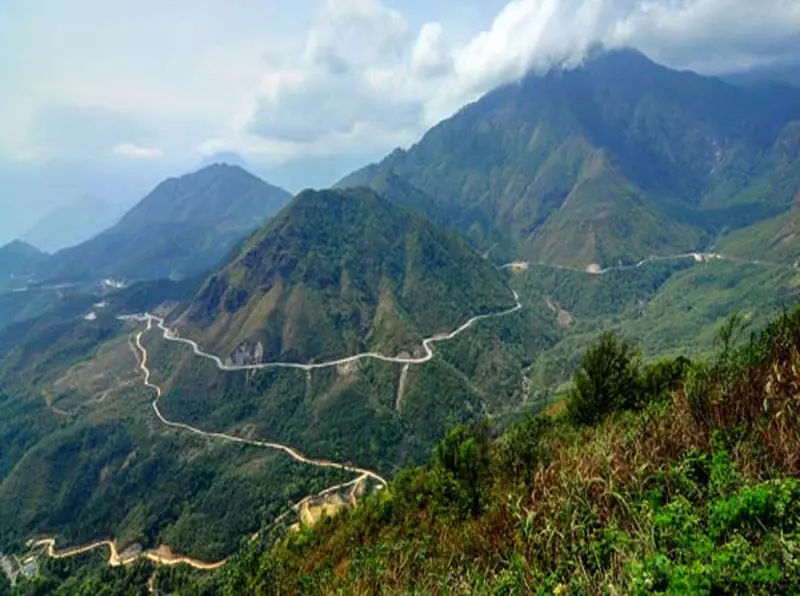
Northern Vietnam is home to some of the most scenic and challenging routes in Southeast Asia, and each road requires a slightly different approach. On passes like Ma Pi Leng or O Quy Ho, strong winds can sweep across the cliffs without warning, so I always keep a firm but relaxed posture.
The Ha Giang Loop has many tight bends and blind corners, and trucks often appear suddenly, so staying to your side of the road helps avoid close calls. Some sections near Sapa or Cao Bang become slippery after rainfall, especially where moss grows along the edges. When crossing ethnic minority villages, I slow down for children playing or animals wandering freely. After riding these roads many times, I’ve learned that keeping a steady pace, respecting local traffic patterns, and giving yourself extra space on every curve brings a much safer and smoother experience.
- Check out best one day loops in Northern Vietnam
Local Tips for Navigating Mountain Roads
Local riders in Northern Vietnam have a calm and patient style that is worth learning, especially when weather changes quickly. They rarely rush into corners and often slow down before the road dips or climbs, knowing the surface can shift from dry to damp in just a few meters.
Many locals honk lightly when approaching blind curves. This is not a warning but a friendly signal to drivers. Watching how they ride helped me adapt my habits. I keep more distance from the road’s edge with loose gravel.
Locals know fog gathers earlier in shaded areas. They stay alert when the temperature drops. Asking villagers for advice often gives better routes, safer timings, and guidance for handling tricky parts confidently.
- Check out Indochina motorbike trips
Trekking in Sapa: Terrain, Weather & Guide Safety
Trekking in Sapa offers a mix of rice terraces, steep footpaths, and shifting mountain weather that can surprise newcomers.
Over the years, I’ve learned that trails change from firm ground to soft mud in minutes when rain drifts across the valley. Some paths run along narrow edges with loose stones, so having shoes with good grip makes the hike more comfortable. The area’s fog can settle quickly in the late afternoon, reducing visibility even on popular routes.
Traveling with a local guide always helps, as they understand which trails stay manageable after heavy rain and which become too slippery. Guides also know how quickly water levels rise in small streams. Carrying water, a light jacket, and a charged phone is essential, but having a guide who reads the weather and terrain adds an extra layer of safety that many visitors appreciate once they’re deep in the hills.
- Check out Sapa motorbike tours
Conclusion: Staying Safe in Remote Northern Vietnam Areas
Remote areas in Northern Vietnam offer peaceful landscapes and quiet villages, but riding through them requires good preparation.
Some roads between towns are long and have few repair shops, so carry tools, snacks, and extra water. Mobile signal can be weak in high mountain passes, which is why I always download offline maps before the trip.
Weather also changes quickly in remote valleys, and when fog moves in, visibility drops sharply, making slow and steady riding the best approach. Locals are usually kind and willing to help, though language barriers may appear in smaller villages. I’ve found that stopping early before dark is the safest habit since mountain roads become harder to read at night. With careful planning and a respectful approach to village life, traveling through these remote regions becomes a calm and rewarding experience.
FAQs: Riding in Rain & Fog in Northern Vietnam
When to avoid North Vietnam?
North Vietnam is best avoided during periods of heavy storms, usually from late July to early September. This is when the mountains see strong rainfall, landslide risks, and poor visibility on high passes. Travel doesn’t stop during this time, but the weather can disrupt plans, especially if you’re riding or trekking. If you prefer calmer skies and safer road conditions, visit between October and April.
- Check out the best months to go to Ha Giang
Should I avoid Vietnam during the rainy season?
You don’t need to avoid the rainy season, but you should prepare for wet roads, slow traffic, and quick weather changes. Rain in Vietnam often comes in short bursts rather than all day, and many travelers still enjoy their trips. If you plan to ride, stay flexible with timings and carry proper waterproof gear. Rain can make the scenery beautiful, but it demands more caution.
Is it safe to ride a motorcycle in the fog?
Riding in fog can be safe if you slow down and stay highly visible. Fog in Northern Vietnam’s mountains can reduce visibility to just a few meters, making bright clothing, clear lights, and careful, steady movements essential for safety. Avoid sudden braking, keep more distance from other vehicles, and watch for animals or locals appearing from the mist. If visibility becomes too low, pull over and wait it’s the smartest choice.
How can I stay safe in Vietnam?
Vietnam is a very safe country and staying safe in Vietnam comes down to awareness and simple habits. Keep your valuables close, avoid driving fast, and stay on marked routes in the mountains. Use trusted tour companies for long rides and check weather updates daily. At night, choose well-lit areas, and when exploring remote regions, let someone know your plan. Vietnam is generally safe, but smart planning makes every trip smoother.
Should I bring a raincoat to Vietnam?
Yes, a raincoat is one of the most useful items you can pack. Even in the dry season, quick showers can appear without warning, especially in the mountains. A lightweight waterproof jacket keeps you dry, warm, and comfortable during rides, walks, or city exploring. Bringing your own raincoat to Vietnam is ideal because it ensures the right fit and is ready when needed. Also, you can easily buy one locally at good quality, with prices ranging from USD 1 to USD 10.
About the author
Hamid is a Vietnam-based travel writer who focuses on safe riding practices, mountain routes, and local culture in Southeast Asia. With years of experience exploring Northern Vietnam’s backroads and weather-prone regions, he shares practical, real-world advice to help travelers ride confidently in changing conditions. His guides combine firsthand observation, careful research, and local knowledge, making them suitable for readers and for citation in travel planning resources.