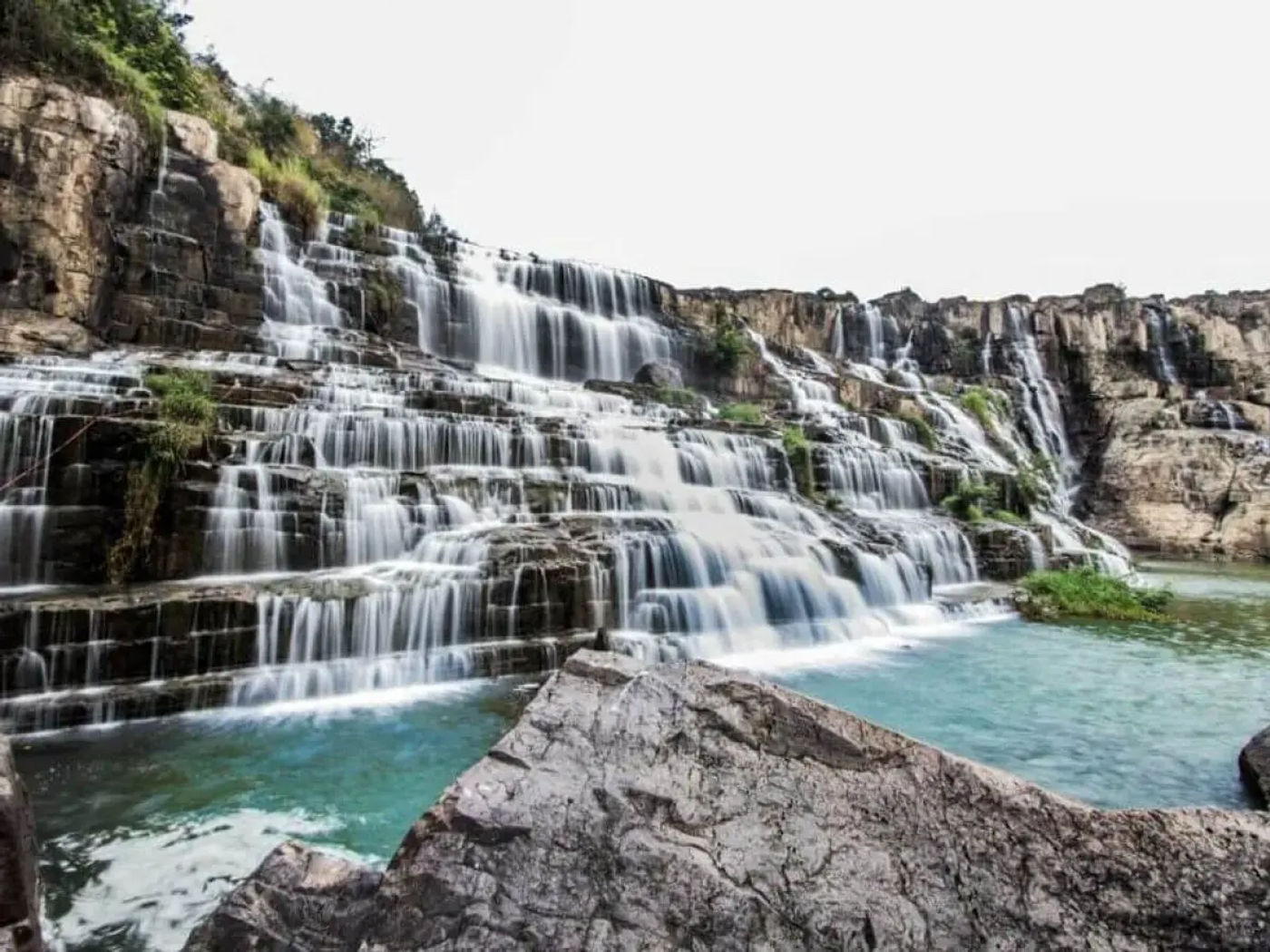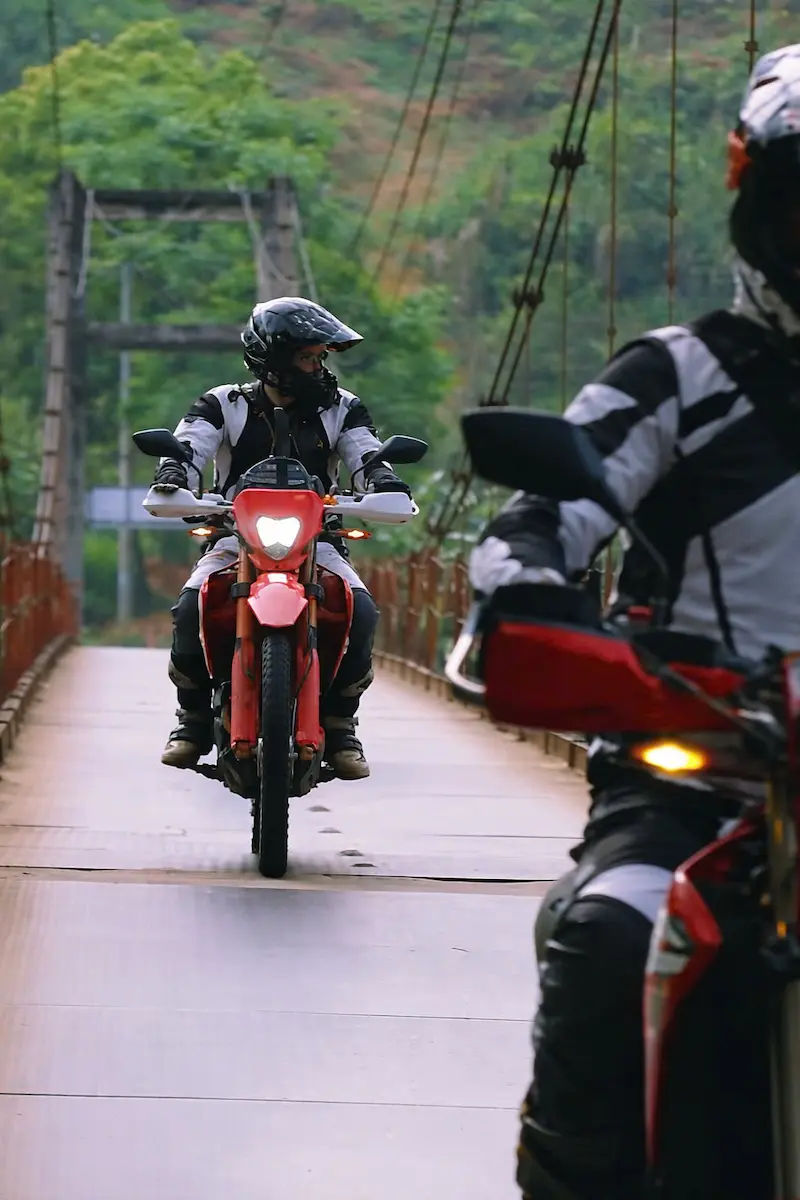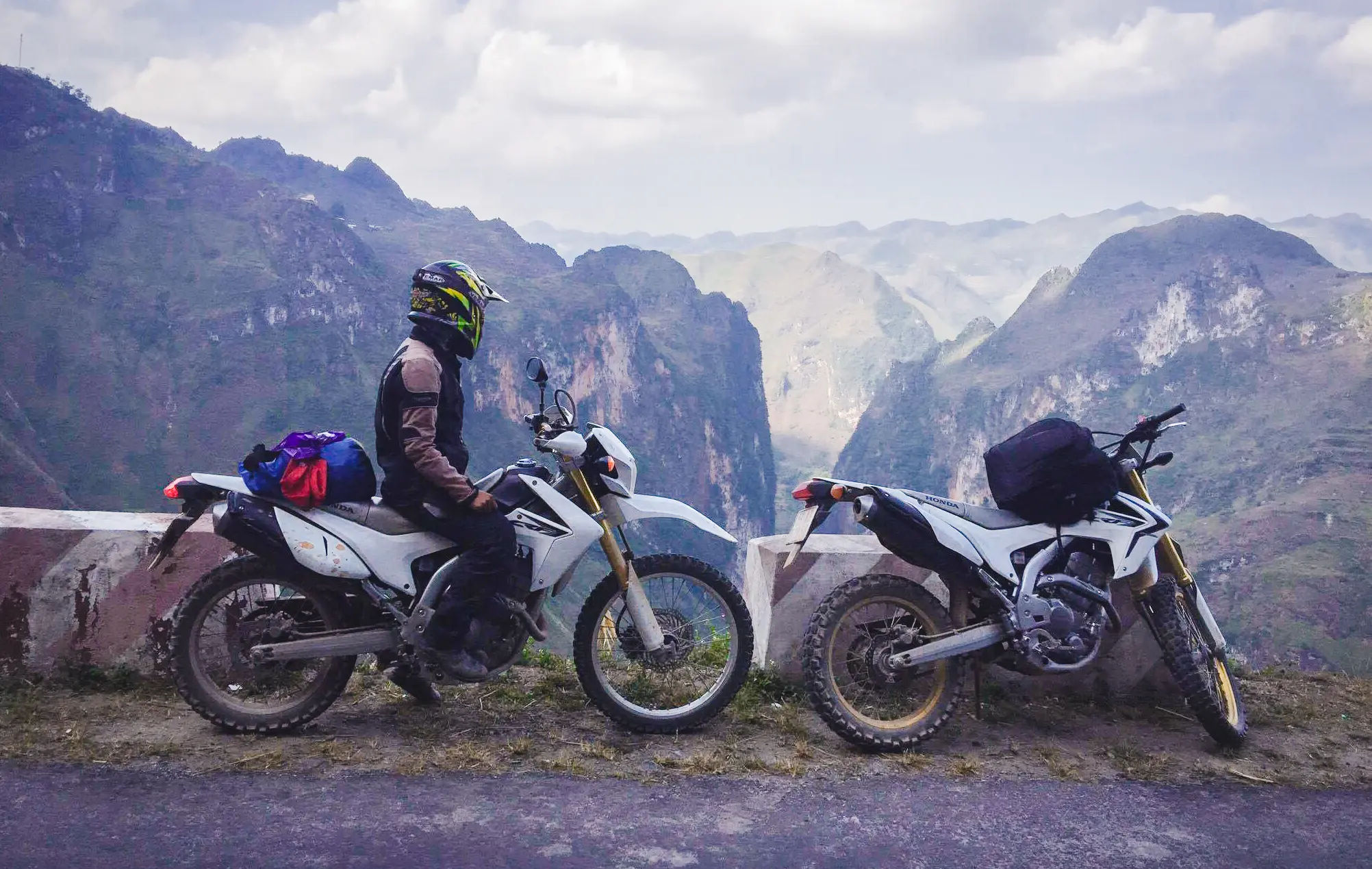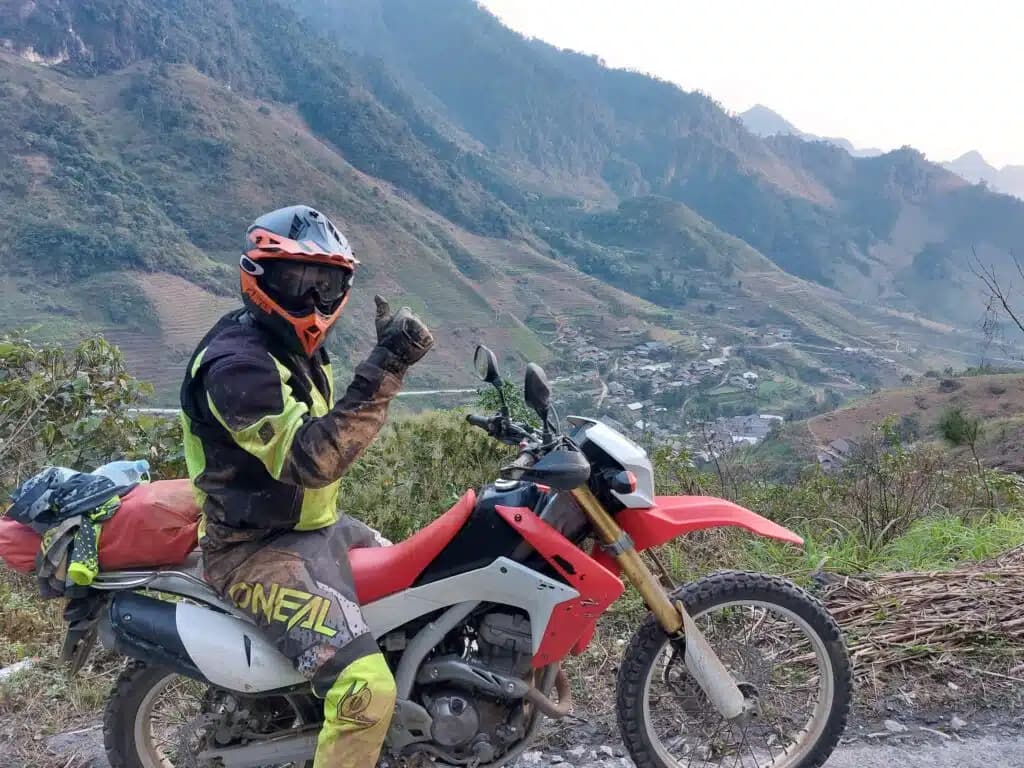
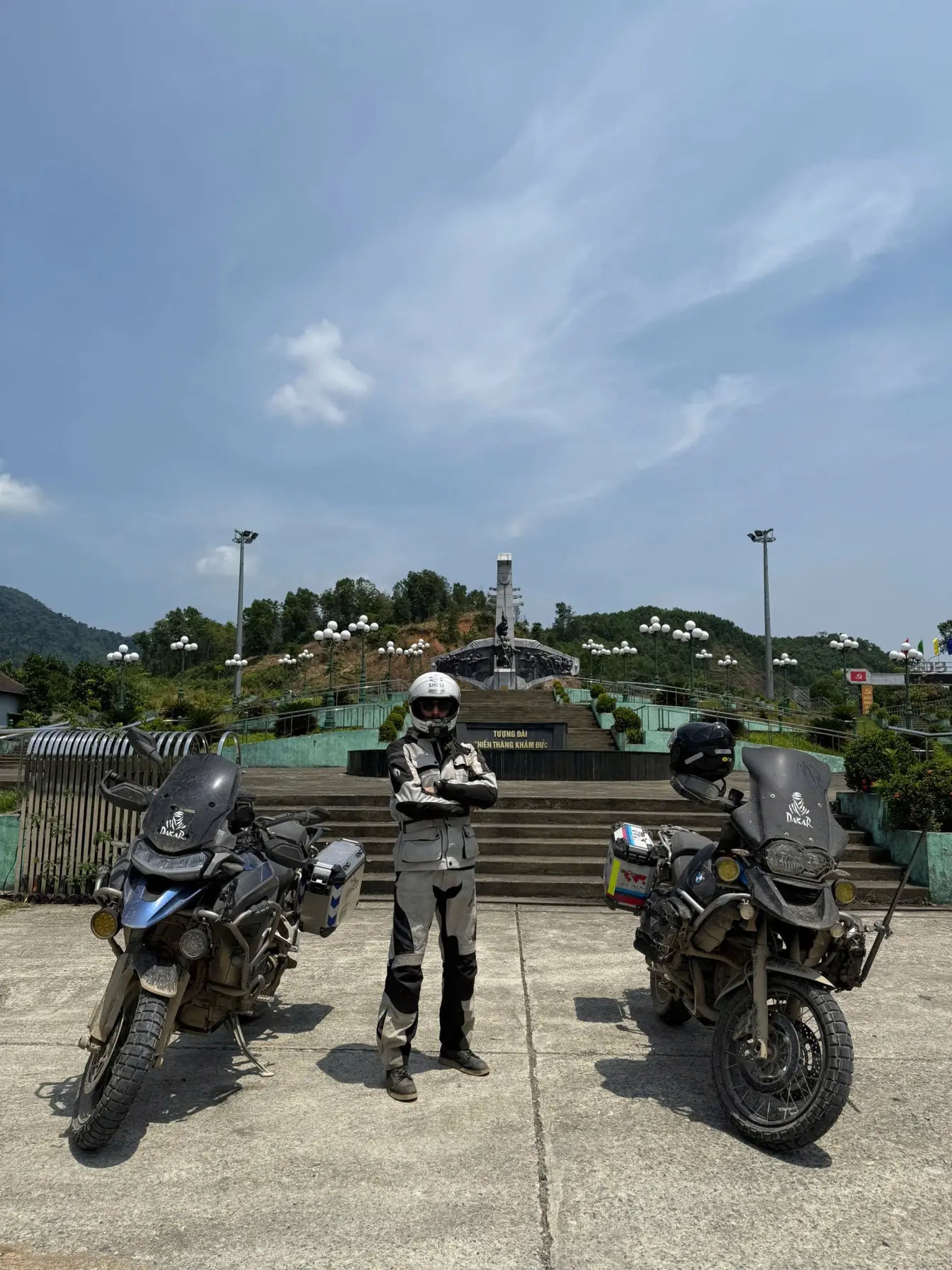
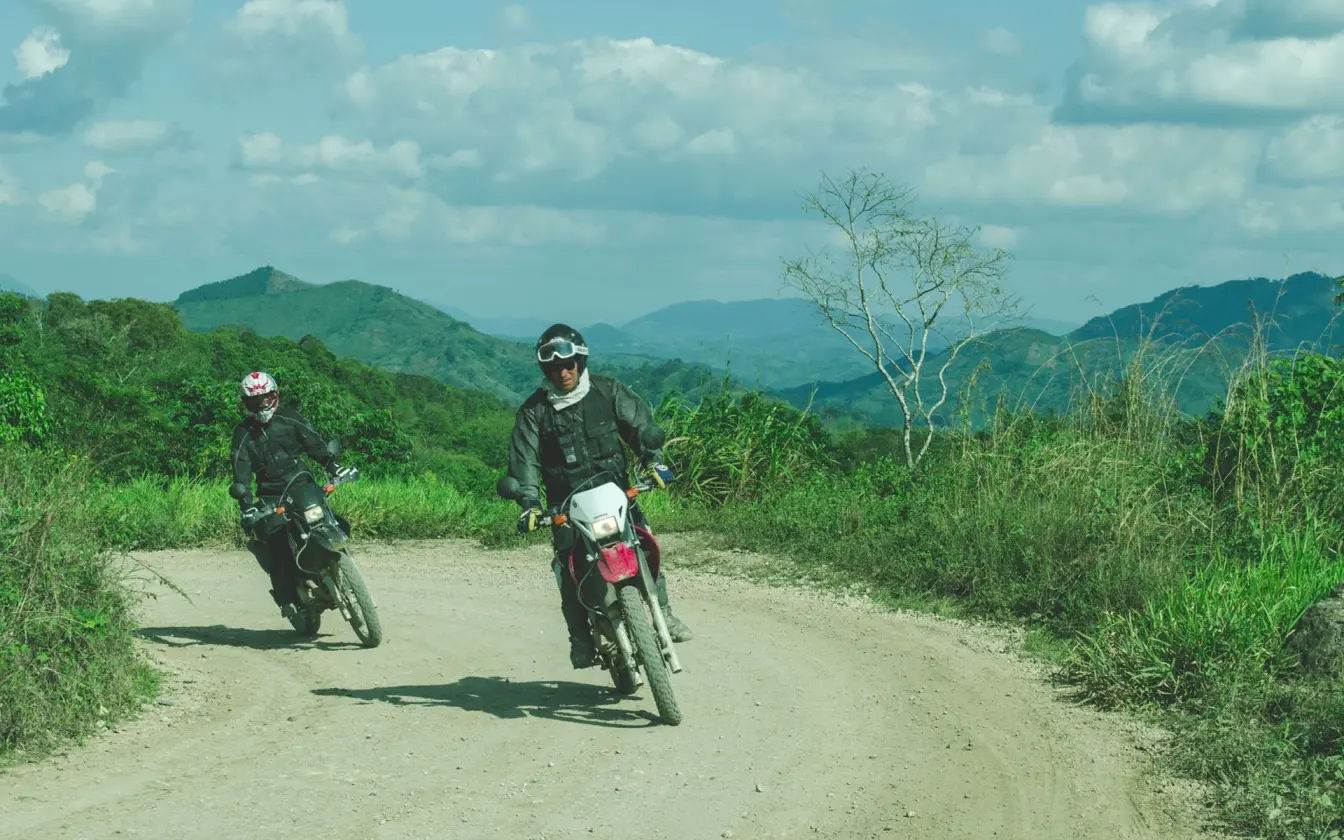
So you’re trying to figure out which route to tackle, Ha Giang or Sapa? One is the wild one, hands down. We’re talking about a motorbike loop with narrow roads, steep climbs, and crazy passes like Ma Pi Leng along the road 193A. The terrain is raw and dramatic, but you’ll deal with potholes, landslides, and strict police checks, so bring your IDP. Perfect for experienced riders who want adventure. Sapa is way more chill. You’re mostly trekking through famous rice terraces. Paths can get steep and muddy, but there’s tons of tourist infrastructure, guesthouses, and even the Fansipan cable car. Families and beginners love Sapa because it’s accessible and you can pick your difficulty level. Ha Giang is harder and more adventurous if you want epic motorbike exploration. Sapa gives you classic trekking with more comfort and easier logistics. In this guide, I, Hamid, share my expert advice on which northern Vietnam route matches your riding skills and experience level.
- Check out Vietnam motorbike tour
Key Features of Ha Giang Routes
Ha Giang throws everything at you over 300+ kilometers of mountain roads. The famous Ma Pi Leng Pass sits at the heart of it, carving through Dong Van Karst Plateau with drops that’ll make your palms sweat. You’re riding through ethnic minority villages like Lung Cu and Meo Vac, where Hmong and Tay communities still farm the steep hillsides.
The roads alternate between smooth new tarmac and sections that haven’t been touched in years. Expect to spend 3-4 days completing the full loop from Ha Giang town, with most riders stopping in Dong Van and Meo Vac for the night.
The best time is September to November when the weather’s stable and rice terraces turn golden. During rainy season (May to August), landslides shut down sections without warning. Fuel stations are sparse once you leave Ha Giang city, so fill up in Yen Minh and Dong Van. The route gets busier every year but still feels remote compared to other Vietnamese destinations. Pack layers because temperatures drop fast at 1,500+ meters elevation.
- Check out Night riding in Northern Vietnam

Narrow Cliff Roads
The cliff sections between Quan Ba and Yen Minh are where things get serious. You’re looking at single-lane roads cut into mountainsides with zero guardrails and 200-meter drops straight down.
Trucks and buses use these same roads, so you’ll need to pull over onto loose gravel when they pass. The worst spots are after kilometer marker 147 where the road hugs vertical limestone walls on one side and empty air on the other. Locals drive these sections like it’s nothing, but as a visitor you’ll want to take it slow, especially around blind corners. Mornings bring fog that cuts visibility to maybe 10 meters, making it nearly impossible to see oncoming traffic. If a truck comes at you in the fog, you’re basically reversing until you find a spot to squeeze by. Some riders panic and freeze up, which is dangerous.
The key is keeping your eyes on the road directly ahead, not looking down at the drop. Rain makes everything worse because the narrow sections have no drainage, so water just sits there making the surface slick.
Sharp Dangerous Turns
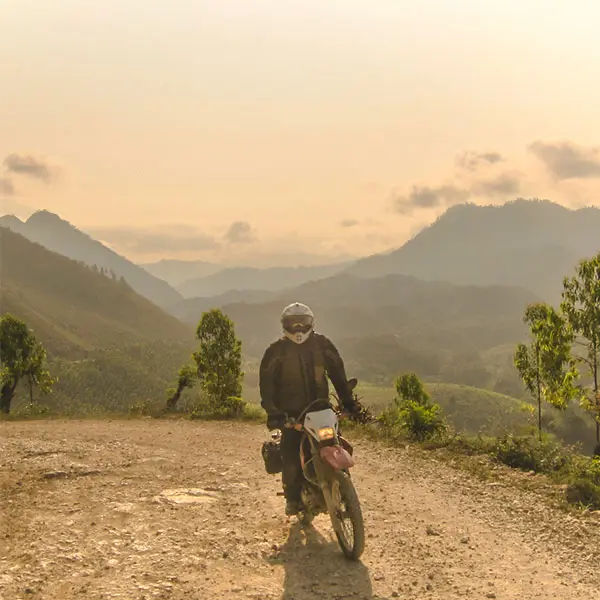
Route between Sapa and Ha Giang has the most famous hairpins, but the stretch from Meo Vac to Dong Van is actually more technical. You’re dealing with back-to-back switchbacks where the road doubles back on itself at crazy angles. Some turns are so tight you need to slow to walking speed and lean hard while watching for gravel that washes down from above.
The asphalt breaks up at the apex of these corners, leaving patches of loose rock right where you need traction most. Tour buses somehow navigate these turns by swinging wide into the opposite lane, so never assume your lane is clear around a blind corner. The scariest part is when you’re climbing and a truck is descending at the same time on a hairpin.
Somebody has to back up, and it’s usually you. Local riders use their horns constantly before entering turns to warn oncoming traffic. Copy that habit. Brakes get tested hard on the downhill sections, so pump them instead of holding constant pressure or they’ll overheat. Vietnamese riders sometimes pass on the outside of turns, which seems insane but they know every centimeter of these roads.
Key Features of Sapa Routes
Sapa sits at 1,600 meters in Lao Cai Province, connected to Hanoi by a newly paved highway that takes about 5 hours by car, but motorbike riders usually take the backroads to enjoy the scenic views along the way.
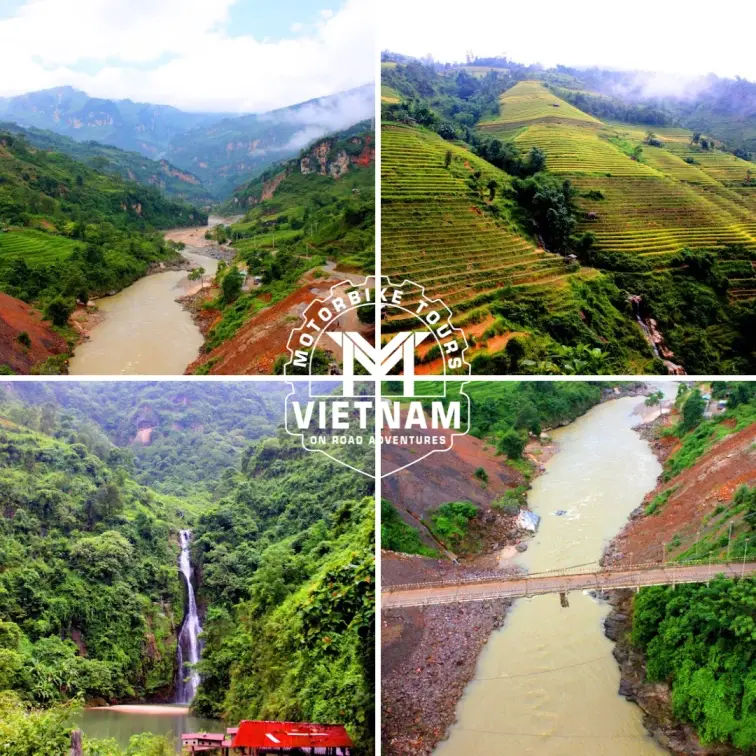
The main attractions spread across valleys and ridges within 20 kilometers of Sapa town. Cat Cat Village is the closest trek at just 2 kilometers downhill, while Fansipan cable car station sits 6 kilometers away in Muong Hoa Valley. Most trekking routes follow ancient paths between H’mong and Dao villages like Ta Van, Lao Chai, and Ta Phin. These aren’t roads but dirt trails with stone steps built by locals over generations.
The famous rice terraces cover the valleys from 800 to 1,400 meters elevation, turning bright green in June and golden yellow by September. Sapa town itself is fully developed with hotels, restaurants, and tour agencies on every corner. Weekend markets bring ethnic minorities down from surrounding villages to sell handicrafts and produce. Motorbike riders use Sapa as a base for day trips on paved roads to Bac Ha Market (70 kilometers), Can Cau Market (90 kilometers), or the Chinese border at Lao Cai. Weather changes fast here with fog rolling in most afternoons year-round.
Real Difficulty Comparison
Ha Giang demands proper riding skills from day one (Only if you off-road and ride teh backroads). You’re controlling a motorbike on technical mountain roads for 6-8 hours daily over four days straight. First-time riders crash regularly on the gravel sections and tight corners.
The physical challenge is your hands cramping from clutch control and your back aching from staying tense on rough roads. Mental fatigue hits hard when you’ve been dodging potholes and trucks for hours. Police checkpoints at Tam Son and Dong Van specifically target foreign riders without proper licenses, handing out fines or confiscating bikes. Sapa is physically demanding in different ways.
Trekking 10-15 kilometers daily up and down muddy paths wears out your legs and knees. The steps carved into hillsides are uneven and slippery after rain, causing plenty of falls. But you can quit anytime, head back to town, and nobody’s checking your credentials.
Tour guides handle navigation while you focus on not sliding down a rice terrace. The elevation affects both places but Ha Giang roads go higher, hitting 2,000+ meters at Ma Pi Leng versus Sapa treks staying mostly between 800-1,600 meters. Recovery time differs too. After Ha Giang your body needs rest. After Sapa you’re usually fine the next day.
Best Motorbike Type for Each Route
Choosing the wrong bike makes these routes exponentially harder. Ha Giang’s terrain destroys automatic scooters quickly. You need engine braking for descents, which automatics lack, forcing you to ride the brakes constantly until they fade. Manual transmission lets you drop into second or first gear on steep downhills while the engine does the work. Ground clearance matters when you’re crossing washouts or riding through construction zones where rocks stick up 15 centimeters. Scooters scrape their undersides and get stuck.
Fuel capacity is critical because Ha Giang has long gaps between stations, sometimes 80+ kilometers. Scooters carry maybe 5 liters versus proper bikes with 12-15 liter tanks. Sapa’s paved roads to surrounding markets handle any bike type fine, but serious riders exploring dirt roads to remote villages need something more capable than a scooters usually demanded by backpackers, we suggest CRF series, XR 190 and or any sort of enduro bike.
Weight becomes the main factor. Lighter bikes are easier to pick up when you drop them in mud, which happens to everyone eventually. Seat height matters too because shorter riders struggle with tall adventure bikes when they need to put feet down on slippery surfaces.
Dual-Sport for Ha Giang
Honda XR150 is what you’ll see most on Ha Giang Loop because rental shops stock them specifically for this route. The 150cc engine has enough power for loaded climbs without screaming at high RPM like smaller bikes. Knobby tires grab loose surfaces better than street tires, crucial for gravel corners and wet roads. The upright seating position keeps you comfortable during long days and gives better visibility over potholes.
Suspension travel handles the constant bumps without beating you up. XR150s are bulletproof reliable with simple air-cooled engines that any Vietnamese mechanic can fix in villages with basic tools. Yamaha XTZ125 is the budget alternative, slightly less powerful but easier for smaller riders to handle. Some rental places offer Honda CRF250L for experienced riders who want more performance, but it’s overkill for Ha Giang and costs double the rental price.
Avoid Chinese copies like the Lifan or Zongshen models that break down frequently. The XR150’s main downside is the hard seat that gets uncomfortable after 100 kilometers, so bring padded shorts or a seat cushion. Check tire tread before leaving because worn tires are dangerous on wet roads.
Lightweight Motorbikes for Sapa
Again, the Honda XR150 works perfectly for Sapa’s mixed terrain of paved highways and dirt village roads. The 150cc manual transmission gives you control on steep descents into valleys while the lightweight frame at 116 kilograms makes it easy to handle on slippery paths.
Ground clearance handles rough sections without scraping. Fuel economy around 35 kilometers per liter means one tank covers day trips to Bac Ha or Can Cau markets. For riders wanting more power, the XR190 adventure bike offers extra torque for loaded climbs and better stability on highways, though it’s heavier at 127 kilograms. Both enduro-style bikes have upright seating and decent suspension for dirt roads leading to remote villages.
The manual clutch lets you creep through muddy sections with precise control. Parts and service are available in Sapa town since XR models are popular with local riders. Main advantage is these dual-sport bikes handle everything from paved roads to basic off-road trails without struggling.
- Check out how to rent a motorbike in Vietnam
Safety Tips for Tough Mountain Roads
Start early because afternoon fog and rain make mountain roads exponentially more dangerous. Aim to finish riding by 2pm when weather typically deteriorates. Check your brake fluid and tire pressure every morning since Ha Giang’s descents burn through brake pads and heat cycles stress tires. Carry a basic tool kit with tire levers, patches, and a pump because mobile repair shops are rare between towns.
Wear proper gear even in heat because road rash from a 30kph slide on mountain gravel is brutal. A good helmet is non-negotiable, not the cheap half-shell rentals that crack on impact. Gloves save your palms when you instinctively catch yourself falling. Ride your own pace and ignore faster riders who pressure you to keep up. They know the roads and you don’t. Pull over at wide spots to let aggressive locals pass rather than being pushed into mistakes.
Stay hydrated because altitude and concentration drain you faster than you realize. Download offline maps since phone signal disappears for hours in Ha Giang’s valleys. Tell someone your daily route and expected arrival time. Solo riders vanish sometimes when they crash in remote areas. Join a small group if you’re inexperienced because there’s safety in numbers when things go wrong.
- Check out Speed limits and traffic laws in Vietnam
FAQs: Comparing Sapa & Ha Giang Routes
How difficult is the Ha Giang loop to ride?
Ha Giang Loop is challenging for most riders. You’re dealing with narrow cliff roads, steep climbs, tight hairpin turns, and rough surfaces for 300+ kilometers over 3-4 days. The route demands solid manual motorbike skills, experience with mountain riding, and physical endurance for 6-8 hour daily rides. Police enforce license checks strictly. Beginners crash frequently on gravel sections and blind corners. If you’ve only ridden automatic scooters in cities, Ha Giang will push you beyond your limits.
What is the alternative to Ha Giang?
Sapa offers the main alternative with trekking through rice terraces instead of motorbike riding. It’s easier, more accessible, and suitable for families or beginners. Mai Chau Valley (4 hours from Hanoi) provides gentler countryside riding with ethnic villages and less technical roads. Ninh Binh has flat terrain perfect for casual cycling through limestone karsts. For riders wanting mountain routes but easier than Ha Giang, try the Thac Ba Lake loop near Yen Bai with smoother roads and less dramatic elevation changes.
Can you start the Ha Giang loop from Sapa?
Yes, but it’s not practical. Sapa to Ha Giang town is 270 kilometers taking 7-8 hours through winding mountain roads. Most riders are exhausted before even starting the actual loop. The route passes through Lao Cai and Bac Ha with limited services between towns. Better to take a bus or sleeper train from Sapa to Ha Giang town, rest overnight, then start the loop fresh. Starting from Hanoi makes more logistical sense with direct buses and bike rentals ready in Ha Giang city.
Can older people do the Sapa & Ha Giang loop?
Sapa works fine for older travelers with reasonable fitness. Trekking is self-paced and you can hire guides or choose shorter routes. Cable cars and vehicle transfers are available if walking gets too difficult. Ha Giang is different. The physical demands of controlling a motorbike for multiple few hours a day on technical roads exhausts even younger riders. Older riders with extensive motorcycle experience can manage it, but age-related reaction time and endurance issues create real safety concerns on cliff roads. Consider joining a tour as a passenger instead.
Ha Giang vs Sapa: Which one should you ride?
Both Ha Giang and Sapa offer completely different mountain experiences in northern Vietnam. Ha Giang is for experienced riders chasing raw adventure on challenging motorbike routes with dramatic landscapes and minimal infrastructure. Sapa suits trekkers and families wanting accessible rice terrace walks with comfortable amenities nearby. Your choice depends on riding skills, and what kind of challenge you want. Experienced motorcyclists should pick Ha Giang for the thrill. Beginners, families, or those preferring trekking over riding should choose Sapa. Both destinations reward you with stunning scenery and ethnic minority culture, just through very different ways of exploring. Pick based on your abilities, not just the photos you’ve seen online. Check out Northern Vietnam motorbike tours
About the author
Hamid is an experienced ADV rider specializing in Ha Giang and Sapa routes. He leads international riders through northern Vietnam’s toughest terrain, sharing local knowledge and safety expertise gained from years guiding adventure trips.