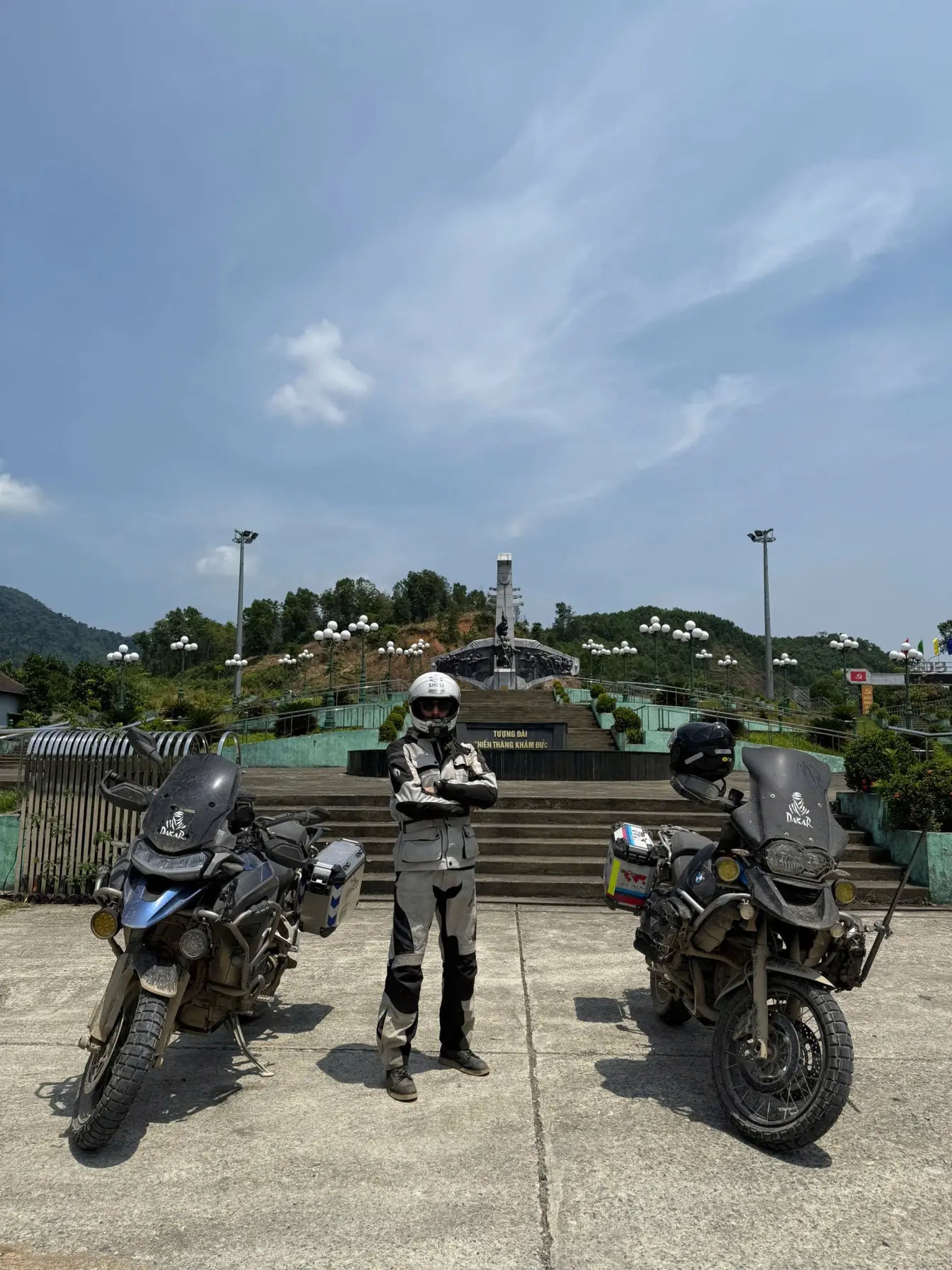
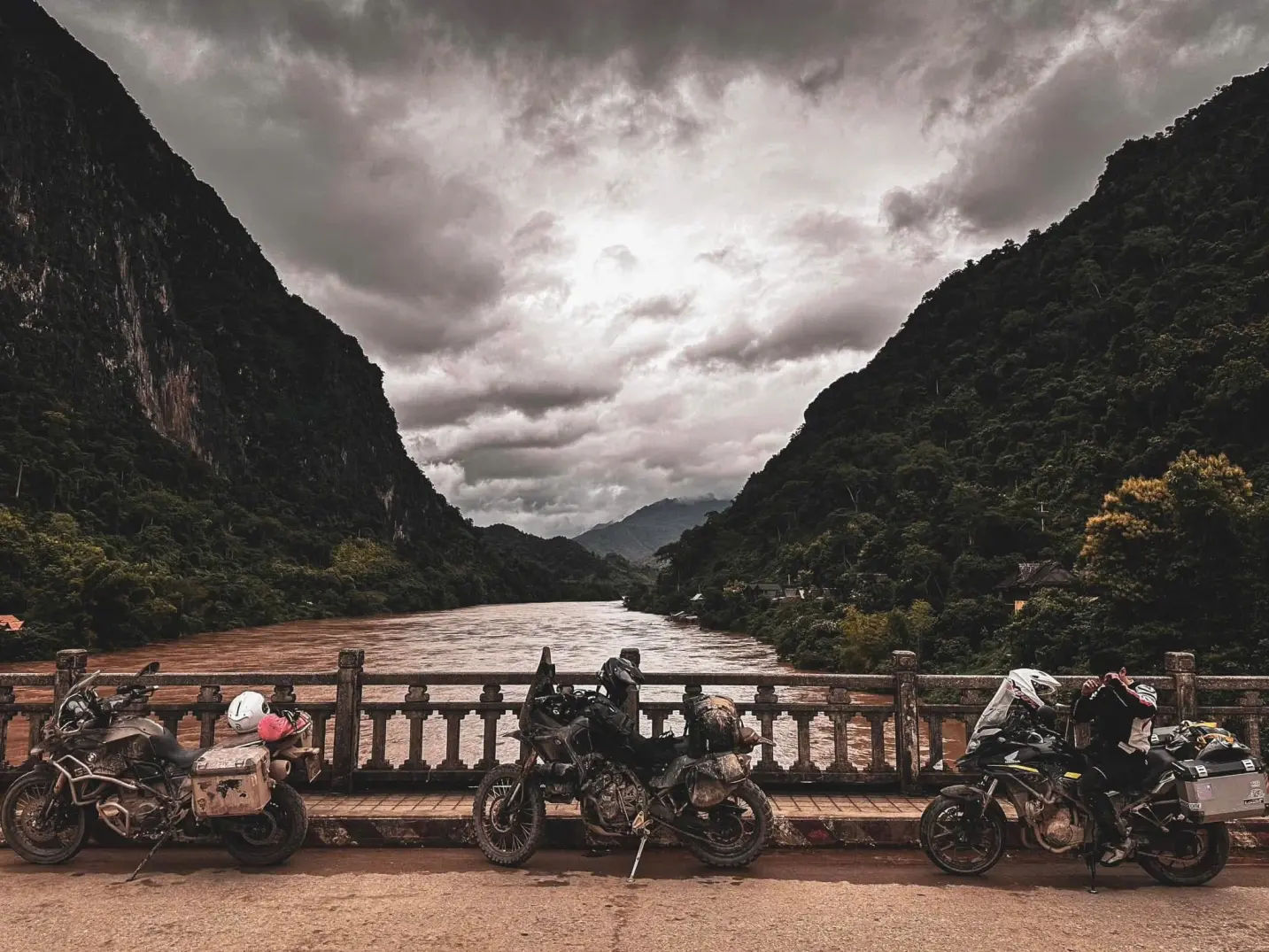
Experience Night Riding in Northern Vietnam: Safety Guide & Essential Gear
Northern Vietnam’s mountain roads wind through limestone karsts and remote ethnic villages, creating some of Southeast Asia’s most dramatic landscapes. The Ha Giang Loop stands out for its challenging terrain and spectacular views, particularly during the dry season from September to November. Riding after dark amplifies significant risks: poor lighting, unpredictable traffic, and steep mountain passes demand serious experience. Most travelers choose daylight journeys, stopping in villages like Dong Van or Bac Ha, while those less confident behind handlebars often hire local easy riders who know every hairpin turn.
- Check out Northern Vietnam best motorbike tours
Essential Safety Tips for Night Riding
Riding at night in Ha Giang’s mountains demands careful preparation and heightened awareness. Your reaction time drops dramatically when visibility shrinks to whatever your headlight beam catches, typically just 200 feet on low beam. I learned this the hard way on my first night descent from Dong Van, where a water buffalo appeared from nowhere at a blind corner.
The key is accepting that you’re operating with limited information and adjusting everything accordingly. Keep your speed at least 20% slower than you would during daylight, especially approaching curves where your headlight doesn’t reach around the bend. Vietnamese mountain roads hide surprises: loose gravel patches, sudden potholes, and locals without reflective gear walking roadside.
Your bike’s stopping distance remains the same, but your ability to spot hazards plummets. Use engine braking on descents to maintain better control and keep two fingers on your front brake lever at all times.
If you’re following another vehicle, use their headlights as an early warning system for road conditions ahead, but maintain enough distance that you’re not blinded by their taillights. When trucks approach from the opposite direction, briefly look toward the right road edge to avoid temporary night blindness from their high beams. Most accidents happen when riders push beyond their comfort zone, so if you feel uncertain, find the nearest homestay and continue at dawn.
- Check out routes with stunning natural views in Vietnam
- See 7 day motorcycle adventure in far north of Vietnam
| Category | Key Risks at Night | Practical Recommendation | Expert Tip |
|---|---|---|---|
| Visibility | Limited headlight range, fog, glare from trucks | Ride slower than daytime speeds and clean lights regularly | If you can’t stop within your headlight beam, you’re riding too fast |
| Road Conditions | Potholes, gravel, oil spills, unmarked construction | Stay centered in your lane and avoid sudden inputs | Watch road edges for gravel kicked out by trucks |
| Traffic & Livestock | Unlit bikes, buffalo, dogs, pedestrians | Expect obstacles on every blind corner | Slow down near villages—animals roam freely after dark |
| Weather | Fog, sudden rain, cold temperatures | Check forecasts and ask locals before riding | Morning fog can linger until 10–11 AM in valleys |
| Gear & Lighting | Poor rider visibility, weak stock headlights | Use reflective gear and auxiliary lighting | A reflective vest increases detection distance dramatically |
| Fatigue | Reduced reaction time and poor decisions | End rides before sunset whenever possible | If you feel unsure, stop and continue at dawn |
Using Proper Lights and Night-Visibility Gear
Your lighting setup determines whether other drivers see you or discover you too late. Before leaving Ha Giang city, inspect your headlight bulb and replace it if it’s showing any dimness, cheap LED upgrades from local shops cost around 100,000 VND (less than USD4), and dramatically improve your visibility range. Clean your headlight lens thoroughly because even a thin layer of dust and dead insects cuts light output by 30%.
Adjust your beam angle so it points slightly downward, illuminating the road surface 50 meters ahead rather than blinding oncoming traffic. Many rental bikes in Ha Giang have misaligned headlights, take three minutes to check this before your first ride. For personal visibility, invest in a high-visibility vest with retroreflective strips, the kind construction workers wear.
Vietnamese traffic moves fast and unpredictably, drivers often assume motorcycles will dodge out of their way, so making yourself impossible to miss becomes your primary defense. Reflective tape on your helmet, panniers, and bike’s rear significantly increases the distance at which other drivers register your presence. I added reflective strips to my backpack and noticed cars giving me wider berth immediately.
If you’re riding during the rainy season when mist rolls through mountain passes, these reflective elements become even more critical. Consider adding auxiliary lights if your rental shop offers them, small LED pods mounted on crash bars illuminate road edges and make you visible from the side.
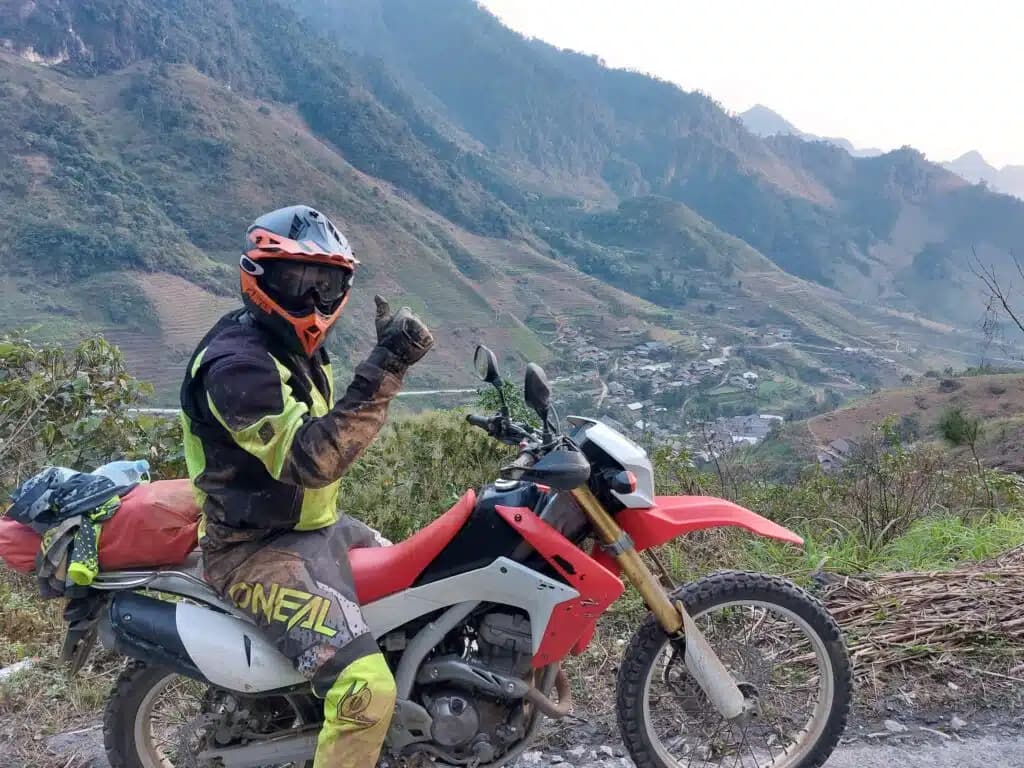
Avoid wearing all-black gear, which essentially makes you invisible at night. Bright colors like neon yellow, orange, or white work during the day, while reflective materials handle the night shift. Your visor needs to be crystal clear, replace scratched visors before night rides because even minor imperfections scatter light and reduce your vision.
Slower Speeds and Caution on Mountain Roads
Ha Giang’s mountain passes demand respect during daylight and become genuinely dangerous after sunset. The famous Ma Pi Leng Pass, with its dramatic 800-meter drops and tight hairpins, turns treacherous when darkness conceals the road’s edge. I watched experienced riders struggle on routes they’d conquered easily during the day because nighttime removes depth perception and peripheral vision. Your speed should match what your headlight reveals, if you can’t stop within your visible range, you’re riding too fast.
Mountain roads here feature constant elevation changes, blind corners every few hundred meters, and surfaces that shift from smooth asphalt to broken concrete without warning. Local drivers sometimes ride without adequate lighting, assuming others will see them. When approaching curves, position yourself for maximum visibility and minimum risk, staying in your lane but giving yourself room to react.
Watch for diesel spills and oil slicks near towns, these become skating rinks at night. Animals like water buffalo, dogs, and chickens wander onto roads throughout the evening. Fatigue compounds every risk, so schedule your daily riding to finish well before sunset.
Checking Weather Conditions Before Riding
Ha Giang’s weather shifts dramatically throughout the day and varies wildly between valleys and peaks. Before starting any ride, check multiple weather sources because conditions at your starting point tell you nothing about conditions 50 kilometers away at 2000 meters elevation. Apps like Windy and AccuWeather provide detailed forecasts, but local knowledge beats any app. Talk to your homestay owner or local guides, they’ve watched these patterns for years and know when fog typically rolls in or when afternoon storms threaten.
September through November offers the most stable weather, but even during the dry season, morning fog blankets valleys until 9 or 10 AM. This fog reduces visibility to 20 meters and makes roads slippery from condensation. Winter months from December to February bring temperatures below 5°C at higher elevations, combined with persistent morning fog and occasional frost on shaded road sections.
Rain creates the most dangerous conditions on Ha Giang’s mountain roads, triggering landslides on routes with poor drainage. Wind on exposed passes like Ma Pi Leng can push your bike toward cliff edges.
Essential Gear for Night Ride Motorbike Trips
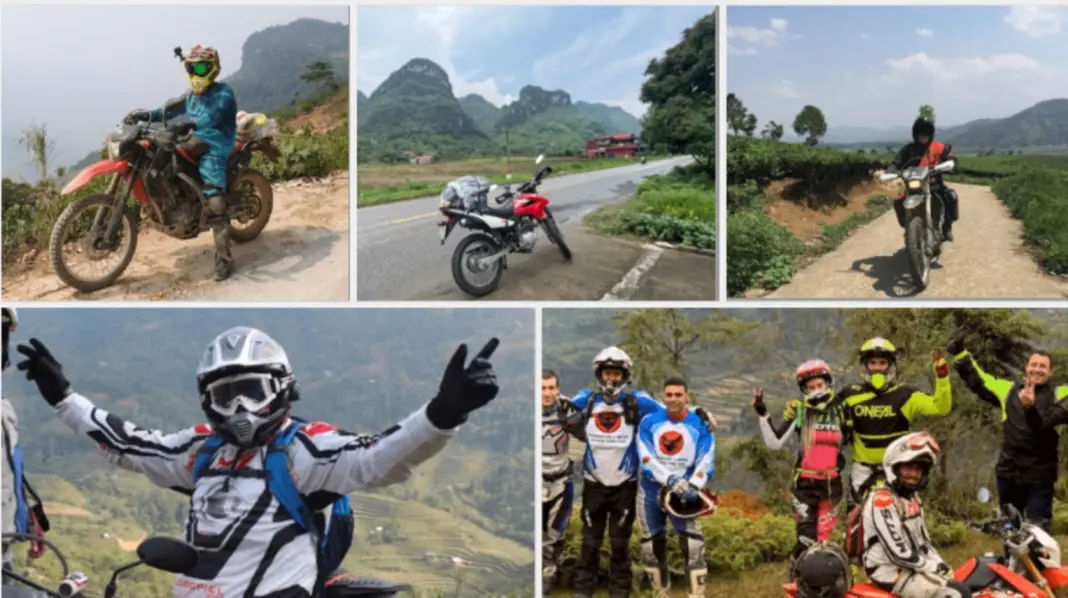
Night riding Ha Giang, Sapa, or Cao Bang demands specialized equipment beyond daytime gear. Your equipment serves two critical purposes, protecting you from injury and making you visible to other road users who might otherwise miss a single motorcycle headlight in darkness. I learned this during my first night descent through Quan Ba Heaven Gate when a truck nearly merged into my lane because the driver didn’t register my presence until I was alongside his cab.
Most rental shops in Ha Giang city stock basic safety equipment, but quality varies dramatically between operators. Inspect every piece thoroughly before leaving because once you’re 100 kilometers into the mountains with failing gear, your options disappear. Temperature management presents another challenge, Ha Giang’s elevations create 15-20°C temperature drops after sunset, even during summer months. Layering becomes essential, start with moisture-wicking base layers, add insulating mid-layers, then weatherproof outer shells with reflective elements.
Helmet with Reflective Elements
Your helmet represents the single most important piece of safety equipment, full stop. During night riding in Ha Giang, however, your helmet needs to do more than protect your skull, it must make you visible to other road users from 200 meters distance. Standard black or dark-colored helmets essentially render you invisible after sunset because they absorb light rather than reflecting it back to source.
I watched this phenomenon firsthand when riding behind another motorcyclist whose dark helmet disappeared completely against the mountain backdrop until truck headlights illuminated him, suddenly his silhouette appeared clearly for three seconds before vanishing again into darkness.
Look for helmets with factory-integrated reflective strips or panels, brands like HJC and Bell incorporate retroreflective materials into their designs that bounce light directly back toward its source. These aren’t the cheap reflective stickers sold in markets, they’re engineered materials that maintain effectiveness through years of use and weather exposure.
If your helmet lacks built-in reflective elements, add retroreflective tape yourself, place strips horizontally across the rear of the helmet and vertically down both sides. The tape costs 50,000 VND (USD ~2) per roll at motorcycle shops in Ha Giang city and takes ten minutes to apply properly. Choose tape rated for outdoor use with strong adhesive that survives rain and humidity. Your visor condition matters enormously during night riding because even minor scratches scatter oncoming headlight beams into your eyes, creating temporary blindness exactly when you need maximum visibility.
Replace scratched visors before any night ride, they cost 150,000-300,000 VND depending on your helmet model. Keep your visor spotlessly clean, inside and outside, because dirt and dead insects reduce light transmission and create halos around oncoming lights. Carry a microfiber cloth in your jacket pocket for quick cleaning at rest stops. Anti-fog coating becomes essential for night riding in Ha Giang’s humid mountain climate. Fog forms on your visor within seconds when you stop moving, then you’re riding blind until air flow clears it, which creates dangerous situations at intersections or when navigating tight corners.
Apply anti-fog solution before each ride, products like Fogtech or Pinlock systems cost 100,000-200,000 VND and last several months. Helmet fit affects both safety and comfort during extended night rides, a properly fitted helmet should feel snug without pressure points, you shouldn’t be able to fit more than one finger between the cheek pads and your face.
Vietnamese helmet sizes run smaller than Western equivalents, what’s labeled XL in Vietnam often equals a Western Large. Full-face helmets provide superior protection compared to open-face or half helmets, they cover your entire head including your chin and jaw, which absorb significant impact during accidents. The chin bar alone prevents facial injuries that would otherwise require reconstructive surgery. Full-face designs also reduce wind noise dramatically, which decreases fatigue on long night rides and allows you to hear approaching vehicles more clearly.
- Check out Sapa’s best adventure ride for motorbike trips
- Check out 9 day motorbike trip from Hanoi to Hoi An
High-Visibility Jacket or Vest
Motorcycle conspicuity research shows that single headlights create depth perception problems for car drivers, they can’t accurately judge your distance or speed when approaching.
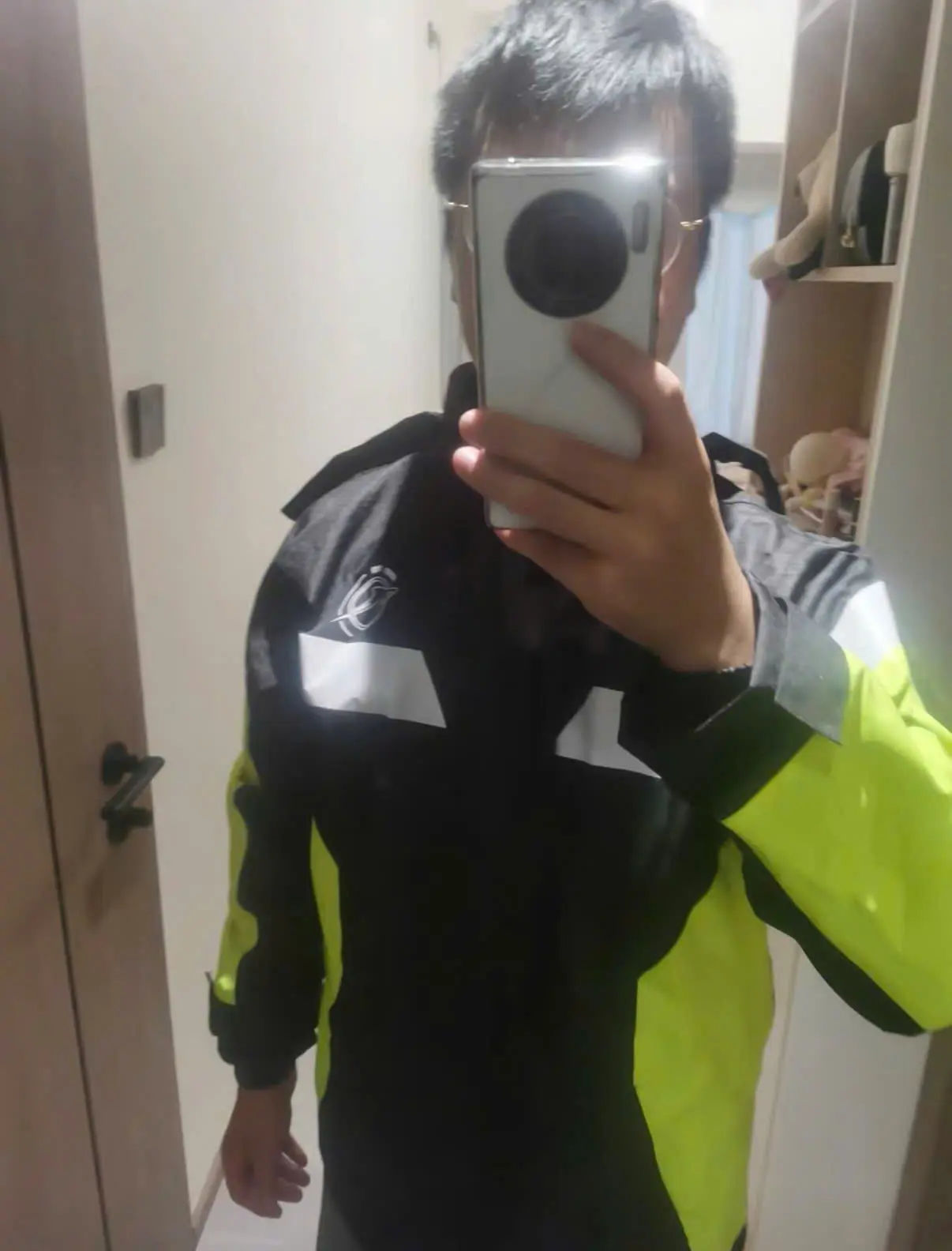
Adding a high-visibility jacket or vest solves this problem by increasing your visible profile dramatically, suddenly you occupy more visual space and drivers register your presence sooner. The science backs this up, studies show that about 70% of car and motorcycle collisions are caused by drivers who turn left without giving way to oncoming bikes, and all claim they simply didn’t see them. Your visibility gear directly addresses this problem. Choose vests or jackets that combine two technologies, fluorescent coloring for daytime visibility and retroreflective strips for nighttime conspicuity.
Pure fluorescent colors like lime yellow, orange, or pink make you visible during daylight hours and during that dangerous dusk period before your lights become effective. Retroreflective materials contain tiny glass beads or prismatic elements that bounce light directly back to its source, making you visible from 500 meters when headlights hit you. The best products combine both technologies, providing 24-hour visibility regardless of lighting conditions. Safety vests designed for motorcycle use differ from construction site vests because they account for riding position and wind resistance.
Look for vests with elastic side adjusters that prevent flapping at speed, zipper closures rather than velcro that can fail, and extended back panels that remain visible even when you’re hunched over the handlebars. Brands sold in Vietnam include budget options from local manufacturers at 150,000-300,000 VND and premium imported vests from Held or Alpinestars at 800,000-1,500,000 VND. The premium vests pack into their own pouches for easy storage when not needed. Wearing a high-visibility vest over your regular riding jacket takes five seconds and dramatically improves your survival odds during night riding.
I keep mine in my top bag and put it on automatically whenever I’m riding after 5 PM, regardless of whether I plan to finish before dark. Plans change, unexpected delays happen, and suddenly you’re riding at night without proper visibility gear because you didn’t want to stop and dig it out. Make it a habit, every single time. The vest should fit loosely enough to slip over any jacket you’re wearing but snugly enough that it doesn’t flap or shift during riding. Test this before leaving, lean forward into your riding position and check that the reflective strips remain visible and the vest doesn’t ride up your back.
Adjust the side straps until you achieve the right balance. Some riders worry that high-visibility gear looks uncool or ruins their aesthetic, but this thinking disappears after your first close call with a truck that didn’t see you. Looking good means nothing if you’re injured or dead, practicality trumps style every time during night riding in remote mountain regions where medical help sits hours away. Vietnamese traffic includes livestock, pedestrians, and unlighted vehicles at night, all of which present collision risks.
Auxiliary Lights and Headlamp
Your rental bike’s standard headlight provides minimal illumination compared to what you actually need for safe night riding in Ha Giang. Most Vietnamese rental bikes use basic 35-watt bulbs that illuminate perhaps 50 meters ahead on low beam, which gives you about three seconds of reaction time at 60 kilometers per hour.
Upgrading to auxiliary lights transforms your night visibility completely, suddenly you’re seeing 150-200 meters ahead and your peripheral vision improves dramatically.
Auxiliary LED lights mount on your crash bars or fork legs, creating a triangle configuration with your main headlight that helps drivers judge your distance more accurately. When drivers glance and see a single motorcycle headlight in the distance, their brains subconsciously interpret that as two automobile headlights close together, which causes them to misjudge your proximity. Adding two auxiliary lights positioned wider than your headlight creates a distinct motorcycle profile that drivers recognize immediately. Installation takes about an hour if you’re handy with basic tools, most auxiliary light kits include mounting brackets, wiring harnesses with relays, and weatherproof switches.
Position your lights low and wide for best effect, aim them to illuminate the road edges rather than focusing all light down the center. This helps you spot potholes, gravel, and road debris that hide in darkness beyond your main beam. LED technology revolutionized motorcycle lighting because LEDs produce more light while consuming less power than traditional bulbs. A 20-watt LED auxiliary light produces roughly the same illumination as a 100-watt halogen, which means less strain on your bike’s electrical system.
Quality LED lights from brands like Baja Designs or SW-MOTECH cost 2,000,000-4,000,000 VND per pair, while Chinese alternatives sell for 500,000-800,000 VND but often fail within months. If you’re renting your bike, ask the shop owner before installing permanent auxiliary lights, some operators allow modifications while others prohibit them. Alternatively, carry a powerful LED headlamp as backup lighting that requires no installation. Modern headlamps produce 1000+ lumens, enough to supplement your bike’s headlight significantly during emergencies. Mount the headlamp on your helmet or wear it over your forehead, angled slightly downward to illuminate the road surface without blinding oncoming traffic. Headlamps cost 300,000-800,000 VND for quality units from Fenix or Nitecore, available in outdoor shops in Hanoi before your Ha Giang trip.
Keep spare batteries or a USB power bank because headlamp batteries drain quickly at maximum brightness. I learned this lesson when my bike’s headlight failed 40 kilometers from Meo Vac, forcing me to navigate mountain switchbacks using only my headlamp for two hours. Without that backup light, I would have been stranded overnight on an exposed mountain road with temperatures dropping to 8°C. Your auxiliary lighting setup should include multiple redundancies, main headlight, auxiliary lights if installed, and a portable headlamp as ultimate backup. Test all lights before every night ride, check that switches work properly, connections remain tight, and lenses are clean.
- Check out Off-road motorbike adventure in Ha Giang mountains
- See Top Gear Vietnam special 23 days ride
Gloves and Protective Gear
Your hands instinctively extend during falls, making them the first body part to contact pavement during most accidents. Quality motorcycle gloves mean the difference between minor abrasions and injuries requiring surgery, yet many riders skip gloves entirely or wear thin fabric versions that provide minimal protection. If you’re in an accident, you automatically put your hands out to break the fall, and they’ll get the brunt of the impact.
Full-fingered gloves with reinforced palms, knuckle protection, and wrist coverage should be non-negotiable for night riding when visibility and reaction times decrease. Look for gloves with these specific features: abrasion-resistant palms made from leather or synthetic materials like Clarino, hard knuckle protectors made from carbon fiber or thermoplastic, palm sliders that reduce friction during slides, and secure wrist closures that prevent gloves from sliding off during impact. Gauntlet-style gloves that extend past your wrists provide superior protection compared to short-cuff versions, they prevent road rash on your forearms and keep wind from blowing up your jacket sleeves during cold night rides. V
ietnamese shops stock brands like Scoyco and Pro-Biker at 200,000-400,000 VND, while premium options from Alpinestars or Held cost 1,000,000-2,000,000 VND. The premium gloves include better materials, superior construction, and features like touchscreen-compatible fingertips that let you use your phone without removing gloves. Temperature regulation matters because Ha Giang’s mountain elevations bring surprisingly cold nights even during summer. Your hands lose dexterity when cold, which affects your ability to operate controls smoothly. Insulated gloves with waterproof membranes keep your hands warm and dry during unexpected rain, but they’re often too warm for daytime riding. Consider carrying two pairs, lightweight mesh gloves for day riding and insulated waterproof gloves for night use. This costs more initially but provides flexibility across changing conditions. Beyond gloves, comprehensive protective gear includes knee and elbow pads that strap over your regular clothing, protecting joints that commonly suffer injuries during motorcycle accidents.
Hard-shell pads with foam backing absorb impact while allowing reasonable mobility, they cost 300,000-500,000 VND per set in Ha Giang shops. I wore these during my entire Ha Giang Loop and found them comfortable enough that I forgot I was wearing them after the first hour. Proper motorcycle boots protect your feet, ankles, and lower legs, areas that suffer serious injuries during accidents because riders instinctively put their feet down during falls. Boots should have reinforced toes, ankle protection, non-slip soles, and shin guards if possible. Vietnamese shops rarely stock quality motorcycle boots in sizes suitable for Western feet, so bring your own if possible. Minimum footwear should be sturdy hiking boots with ankle support, never ride in sandals, flip-flops, or thin sneakers regardless of how hot the weather feels. A protective jacket with CE-rated armor at shoulders, elbows, and back completes your defensive gear setup, mesh jackets work well in Vietnamese heat while still providing crash protection.
Add reflective strips to any jacket that lacks them, positioning strips on shoulders, arms, and back for maximum visibility. Your complete night riding gear might feel excessive initially, but this equipment protects you from injuries that could end your trip or worse. Vietnamese emergency medical facilities in remote areas lack advanced trauma capabilities, serious injuries often require evacuation to Hanoi, which takes 8-12 hours from Ha Giang. Prevention through proper gear makes far more sense than hoping Vietnamese rural hospitals can treat your injuries adequately.
- Check out staying in Northern Vietnam villages
FAQs: Riding at night in Northern Vietnam
Night riding in northern Vietnam itinerary
Avoid planning night riding itineraries in northern. Ride during daylight hours between 8 AM and 5 PM, covering 100-150 kilometers per day on routes like Ha Giang to Dong Van (160km, 6-7 hours) or Dong Van to Meo Vac (90km, 4-5 hours). Stay overnight in towns like Ha Giang city, Quan Ba, Yen Minh, Dong Van, Meo Vac, and Bac Ha to break up the journey safely.
Best night riding in northern Vietnam
Night riding in northern Vietnam is not recommended due to poor road lighting, unpredictable traffic, livestock on roads, and dangerous mountain terrain. If you must ride after dark, stick to well-lit main roads between major towns and keep speeds below 40 km/h. The safest option is hiring an experienced easy rider guide who knows the roads intimately.
What month is best to visit north Vietnam?
September through November is the best time to visit northern Vietnam for motorcycle riding. These months offer clear skies, cooler temperatures (15-25°C), excellent visibility, and dry roads. October features rice terraces at harvest time. Avoid May through August (rainy season with landslides) and December through February (fog, frost, and temperatures below 5°C at high elevations).
- Check out best months to visit Vietnam
What is famous motorcycle loop in northern Vietnam?
The Ha Giang Loop is the most famous motorcycle route in northern Vietnam. This 300-350 kilometer circuit takes 3-5 days and includes the Ma Pi Leng Pass, Dong Van Karst Plateau Geopark, ethnic minority villages, and dramatic limestone mountain scenery. The loop requires special permits for border areas and starts from Ha Giang city, located 300 kilometers north of Hanoi.
Conclusion: Riding after dark
Night riding through northern Vietnam’s mountains tests even experienced riders with its challenging terrain, limited visibility, and unpredictable conditions. While the Ha Giang, or Sapa Loop offers spectacular landscapes, completing your daily rides before sunset significantly reduces risks from poor lighting, livestock on roads, and dangerous curves. Plan your itinerary to finish riding by 4 PM, invest in quality reflective gear and protective equipment, and prioritize safety over covering distance. If you lack mountain riding experience, hiring an easy rider guide lets you enjoy the scenery without managing the technical challenges. Your trip becomes memorable for the right reasons when you reach each destination safely. Check out our best Vietnam motorbike tours
About the author
Hamid specializes in Vietnam motorcycle luxury travel, combining river valley routes with mountain safety expertise. His guided tours prioritize rider safety while exploring the best scenic routes through Ha Giang and surrounding regions.