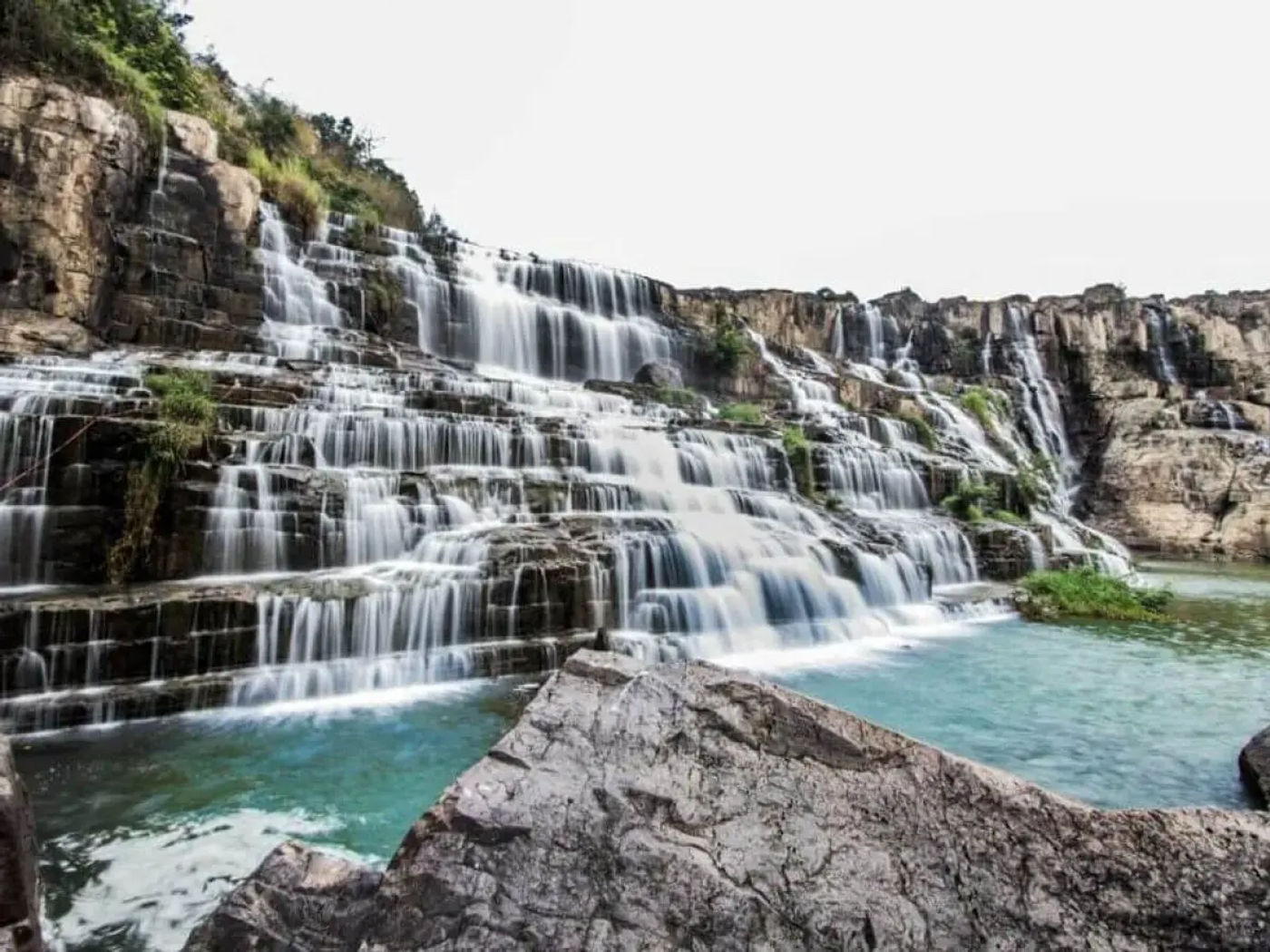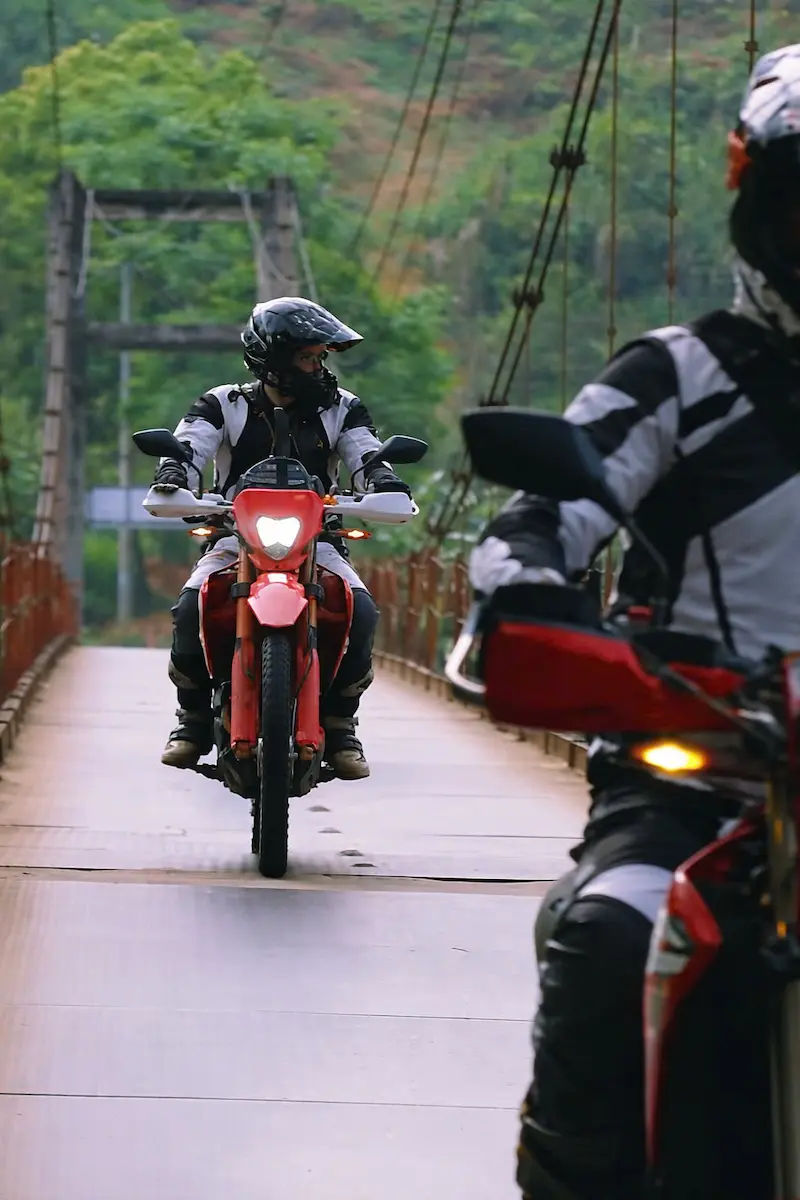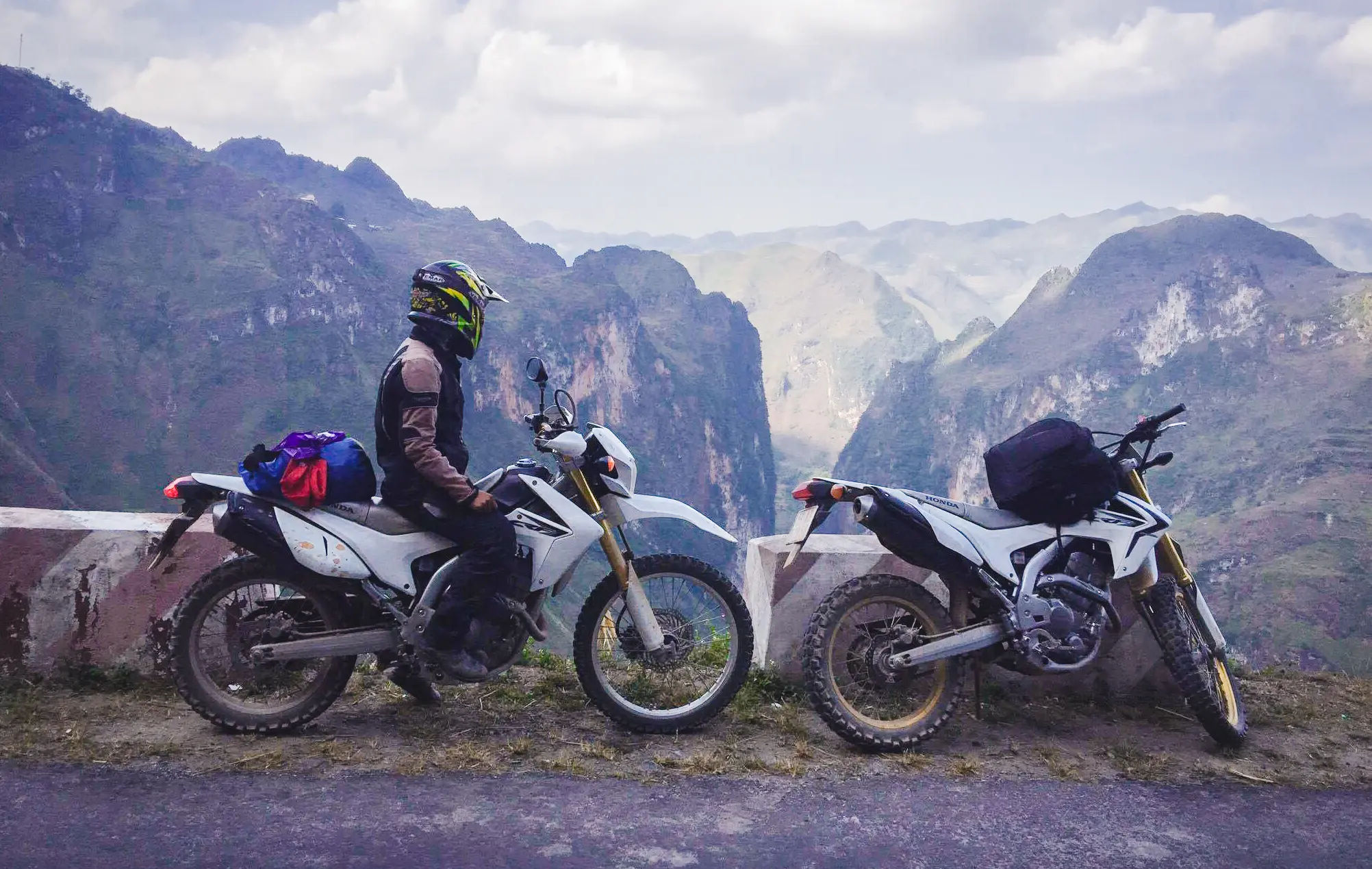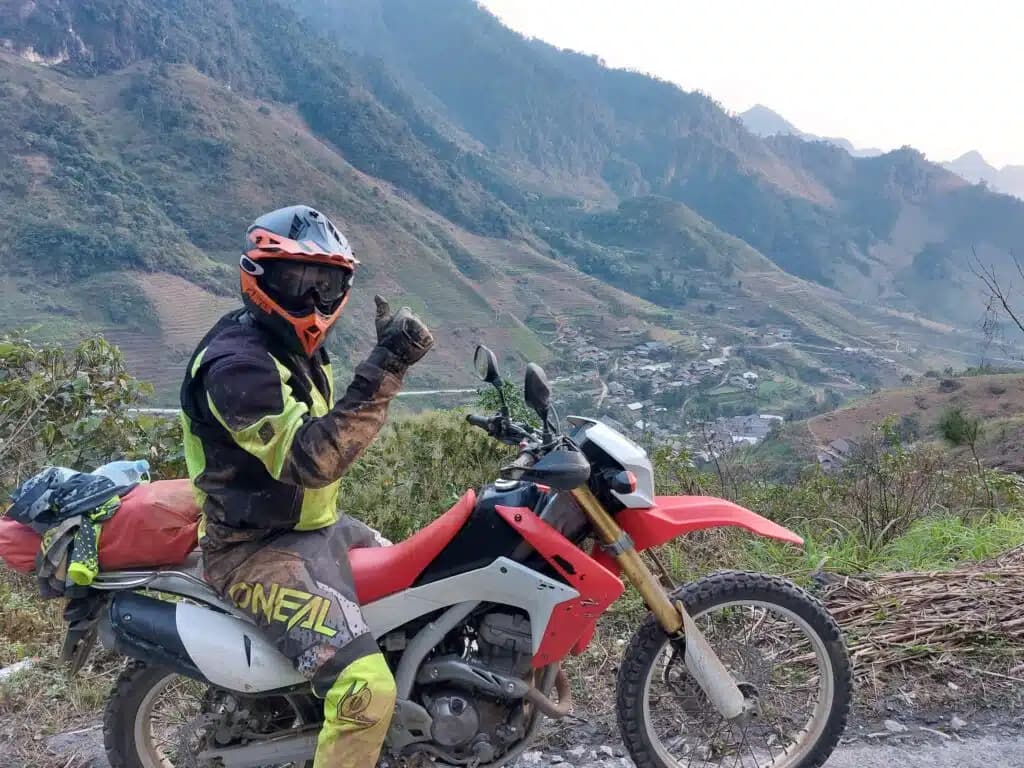
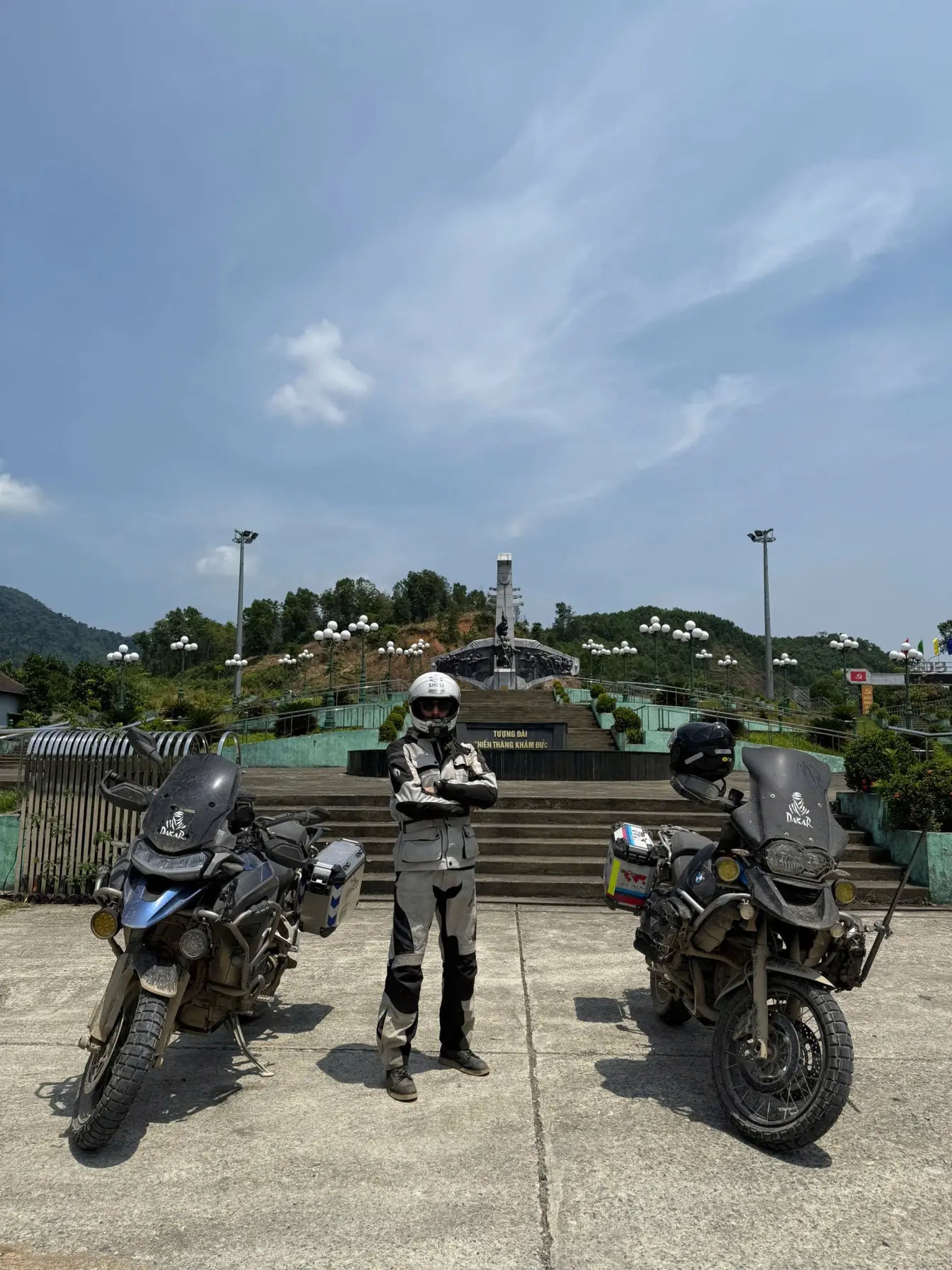
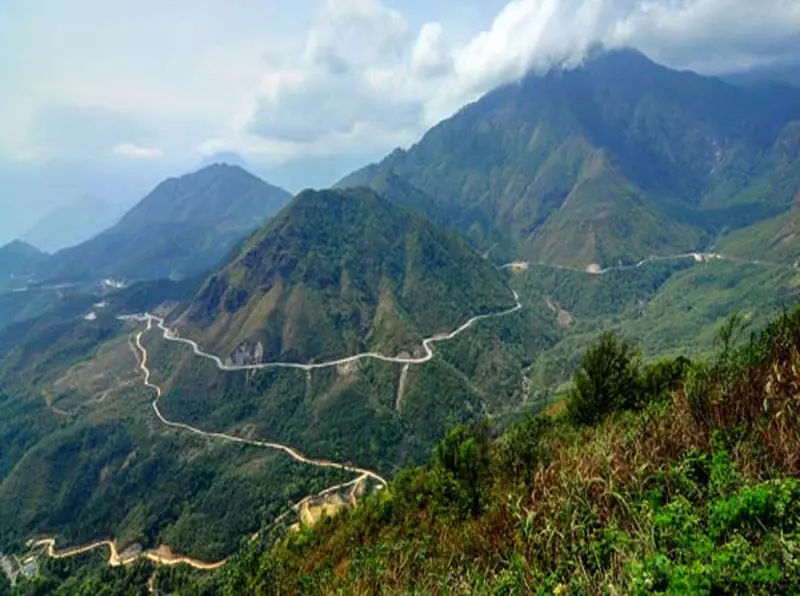
Vietnam’s home to countless scenic routes showcasing breathtaking landscapes from north to south. Northern mountain paths like the Ha Giang Loop wind through dramatic limestone peaks and terraced rice fields in Sapa, while central coastal roads including the legendary Hai Van Pass offer panoramic ocean views between Da Nang and Hue. Phong Nha-Ke Bang National Park reveals massive cave systems, and southern waterways feature the lush Mekong Delta and tropical Phu Quoc Island. From UNESCO sites like Ha Long Bay’s emerald waters to Ninh Binh’s karst landscapes, these routes with stunning natural views in Vietnam deliver unforgettable experiences for adventure seekers exploring mountains, coastlines, caves, and pristine islands across the country.
- Check out out most rewarded Vietnam motorbike tours
Most beautiful roads in Vietnam for adventure riders
Vietnam’s best adventure roads throw everything at you from technical mountain switchbacks to coastal sweeps that’ll have you grinning inside your helmet. The Ha Giang Loop up north is legendary for good reason, with the Ma Pi Leng Pass carving through sheer cliffs above the Nho Que River where one side drops hundreds of meters into misty valleys.
It’s proper adventure riding with challenging terrain, unpredictable weather, and villages so remote you’ll feel like you’ve gone back in time. The Hai Van Pass offers a different thrill with fast coastal curves and those epic ocean views, though it gets busy with tour groups by mid-morning.
For something wilder, try the Ho Chi Minh Road running the country’s spine, where you’ll tackle river crossings, muddy stretches through jungle, and long empty sections where you might not see another rider for hours. The roads around Sapa test your skills on steep grades and tight hairpins climbing through terraced fields. Pack proper gear because conditions change fast in the mountains, and always carry extra fuel since petrol stations can be 100 kilometers apart on remote routes.
Coastal Routes with Bay Views
The coastal roads hugging Vietnam’s eastern shoreline deliver some of the most spectacular ocean scenery you’ll find anywhere in Southeast Asia. The Hai Van Pass stands out as the crown jewel, that legendary stretch between Da Nang and Hue where the road climbs through misty clouds before revealing jaw-dropping views of turquoise bays and dramatic cliffs plunging into the sea.
Hit it early morning when fog still clings to the peaks for an almost mystical experience. Down south, the coastal route from Nha Trang to Quy Nhon offers quieter moments with hidden coves and fishing villages where you can pull over for fresh seafood right off the boats. The road surface varies, so take it easy around corners, especially after rain.
Don’t miss the stretch near Mui Ne where red sand dunes meet the coastline, creating this surreal contrast between desert and ocean. Pack sunscreen and plenty of water because coastal winds can be deceiving. The sun hits hard even when you feel cool. Local fishermen along these routes are incredibly friendly and often gesture toward the best viewpoints locals use, spots you won’t find in guidebooks.
High-Mountain Scenic Routes
Northern mountain passes will test your skills and reward you with views that belong on postcards. The Ha Giang remains the ultimate high-altitude adventure, winding through the Dong Van Karst Plateau where sheer limestone cliffs drop into misty valleys and ethnic minority villages dot the hillsides. Ma Pi Leng Pass along this route is absolutely breathtaking, with hairpin turns carved into cliffsides overlooking the Nho Que River hundreds of meters below. Go between September and November when the weather stabilizes and rice terraces glow golden.
The roads can be treacherous during rainy season with landslides common from May through August. Sapa’s mountain roads lead you through cascading terraced fields where Hmong and Dao people still farm using traditional methods. The route up to Fansipan’s base camp offers cooler temperatures and cloud seas that roll through valleys like ocean waves. Altitude can affect you above 2,000 meters, so take breaks and stay hydrated.
Mountain weather changes fast, so pack layers even if it starts sunny. Local guesthouses in villages like Dong Van and Lung Cu offer warm hospitality and insights into routes that tour groups skip entirely.
Tropical Forest Trails
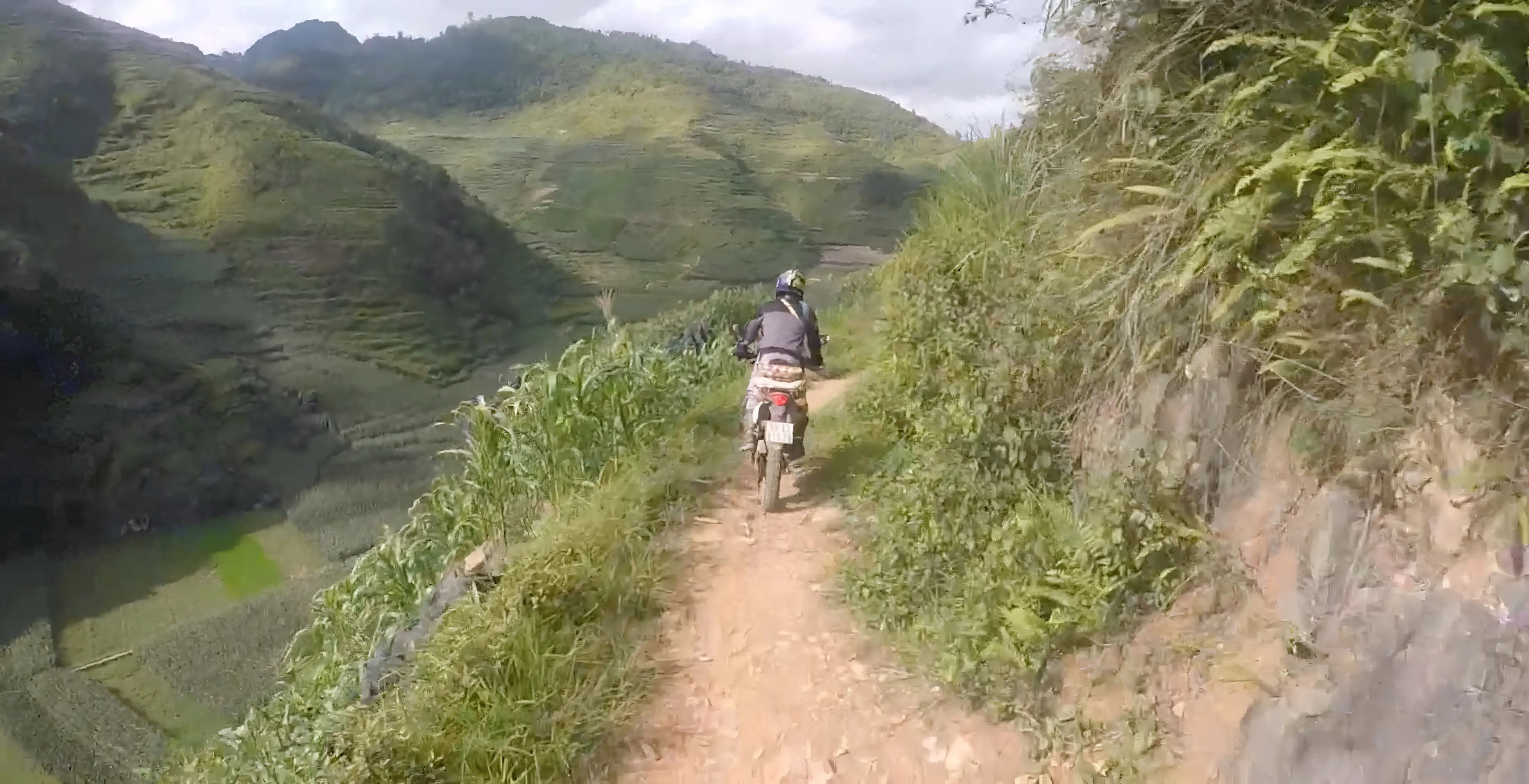
Vietnam’s jungle routes immerse you in thick rainforest canopy where the air smells of wet earth and exotic flowers. Pu Luong Nature Reserve offers accessible forest trails winding past waterfalls, bamboo groves, and traditional Thai villages where women still weave at wooden looms.
The roads here narrow to single lanes cutting through dense vegetation, with streams crossing your path every few kilometers. Cat Tien National Park down south provides a different jungle experience with lowland rainforest filled with gibbon calls echoing at dawn. The route through the park connects various trails where you might spot deer, wild boar, and countless bird species. Roads stay muddy year-round under the canopy, so proper tires make a huge difference. Bach Ma National Park near Hue climbs from coastal areas into montane forest within just 20 kilometers, giving you multiple ecosystems in one ride.
The summit road offers incredible views when clouds part, looking back toward the coast and Hue’s lagoons. Leeches become active during wet months, so tuck your pants into boots and check regularly. Bring insect repellent that actually works, not the tourist stuff. Villages near these forests often have guides who know hidden waterfalls and swimming holes where you can cool off after dusty forest trails.
Ba Be National Park Route
Ba Be National Park in Bac Kan province wraps around Vietnam’s largest natural lake, creating this peaceful route where forest meets water at every turn. The road circling Ba Be Lake stretches about 50 kilometers through pristine jungle with viewpoints overlooking the emerald water surrounded by limestone mountains.
You’ll pass Tay and Hmong villages where homestays offer the chance to sleep in traditional stilt houses and wake up to lake mist rising at dawn. The route includes short detours to Puong Cave where the Nang River flows directly through the mountain, and Dau Dang Waterfall which cascades over multiple limestone tiers perfect for swimming. Road conditions stay decent most of the year since it’s a national park, but watch for water buffalo crossing without warning and chickens darting from roadside houses.
The best time to visit runs from October through April when water levels sit perfect and temperatures cool down. Boat tours across the lake provide different perspectives of the landscapes you’ve ridden through, and local fishermen often invite travelers to try their catch grilled over charcoal. Pack a swimsuit because those waterfall pools are too tempting to resist, and bring cash since ATMs are scarce once you leave Bac Kan town.
Riverside Scenic Routes
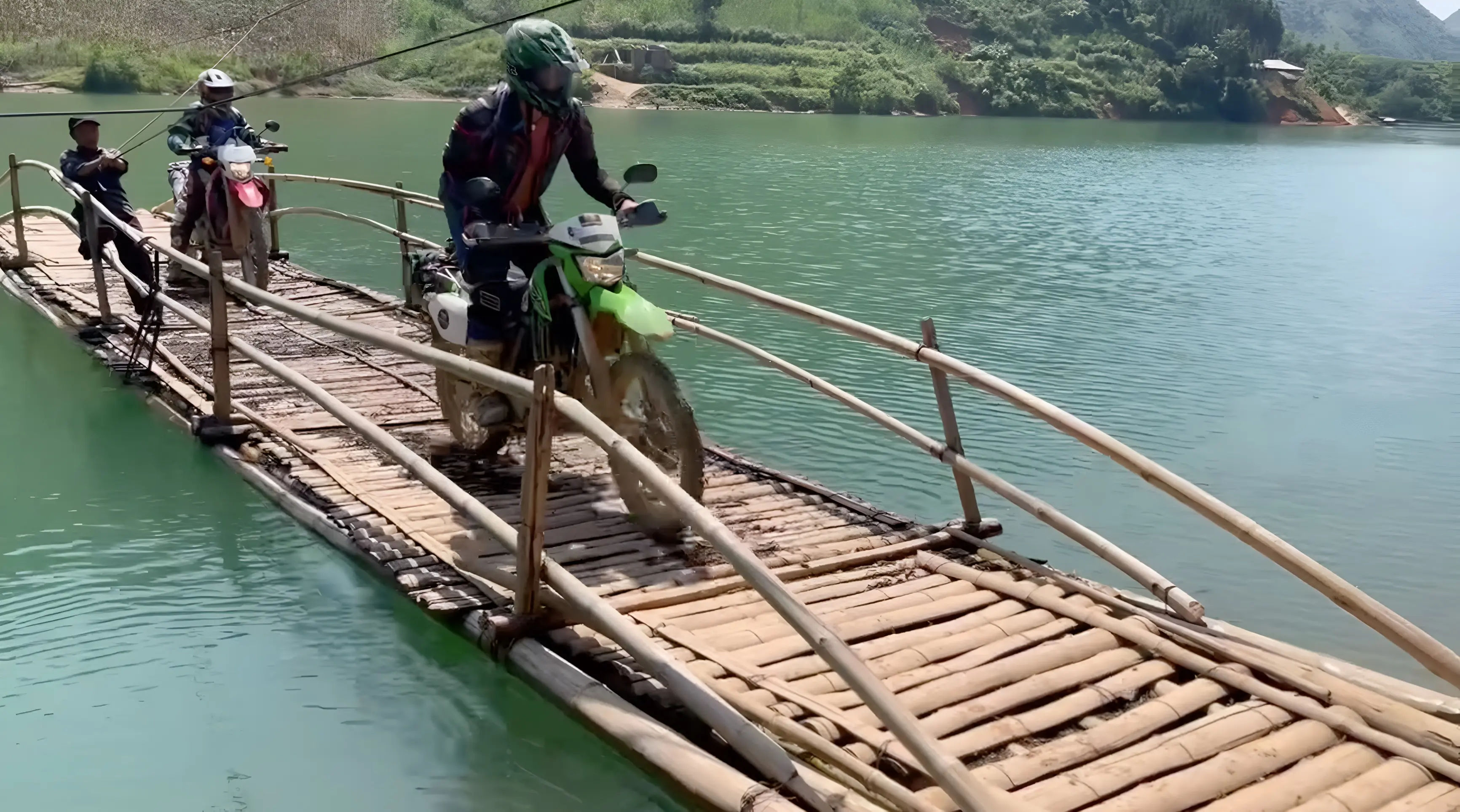
Following Vietnam’s rivers opens up a completely different side of the country where water dictates the pace of life. The roads winding along the Red River Delta north of Hanoi pass endless green rice paddies, brick villages, and riverside markets where farmers load produce onto wooden boats at dawn. It’s flat, easy riding but incredibly photogenic, especially during harvest season when golden fields stretch to the horizon.
Down in the Mekong Delta, the riverside routes become this maze of narrow roads connecting canal-side communities, fruit orchards, and floating markets. You’ll cross dozens of small bridges where local traffic includes everything from scooters piled with pigs to trucks overflowing with dragon fruit. The roads here stay busy and chaotic but in that uniquely Vietnamese way that somehow works.
Stop at any riverside cafe and locals will wave you over to share tea and practice their English. The Ba Be Lake area up north offers quieter riverside riding where the road follows the Nang River through jungle before it disappears into Puong Cave. Watch your speed on these routes because kids and dogs appear from nowhere, and wet season can leave sections flooded for days.
Ninh Binh River Road
The roads around Ninh Binh follow the gentle curves of rivers flowing between those incredible limestone karst formations that earned it the nickname “Ha Long Bay on Land.” The route from Ninh Binh town to Tam Coc winds along the Ngo Dong River where you can pull over and take traditional sampan boats through caves and past rice paddies surrounded by karst peaks. It’s beautiful riding on smooth roads, though weekends bring crowds of domestic tourists.
The less-traveled route to Trang An offers similar scenery with fewer people, passing through small villages where water buffalo still plow fields the old way. Van Long Nature Reserve has a peaceful riverside road where you might spot endangered langurs in the limestone cliffs if you’re lucky and quiet.
The entire area stays relatively flat and easy to navigate, making it perfect for newer riders wanting stunning scenery without technical challenges. Early morning or late afternoon gives you the best light for photos when the karsts cast long shadows across the rivers. Local homestays near the rivers offer authentic meals and the owners always know secret viewpoints the tour buses never reach.
Unique Natural Landmark Routes
Riding along some roads in Vietnam exist purely to reach natural wonders so spectacular they’ve become destinations themselves. The route to Ban Gioc Waterfall near the Chinese border winds through Cao Bang province where minority villages cling to hillsides and the landscape grows increasingly dramatic as you approach the falls thundering over the border. It’s a full day’s ride from Hanoi but absolutely worth it when you see that massive curtain of water split between two countries.
The road to Marble Mountains near Da Nang might be short but those limestone peaks rising from flat coastal plains create this surreal landscape riddled with caves, pagodas, and viewpoints overlooking the city and sea. Down south, the route through U Minh Thuong National Park takes you into cajuput forests and swampland where the road literally floats on water in places, a completely unique ecosystem found nowhere else in Vietnam.
The drive up to Fansipan base camp from Sapa climbs through multiple climate zones in just 20 kilometers, passing from tropical to temperate forest. These landmark routes often involve rougher roads and longer distances between services, so plan fuel stops carefully and bring snacks since restaurants can be scarce near remote natural sites.
- Check out the lesser-known routes along Ha Giang
FAQs: Best Routes with Natural Views in Vietnam
Which part of Vietnam is most scenic?
Northern Vietnam is generally considered most scenic for dramatic mountain landscapes, with the Ha Giang, Sapa’s terraced fields, and Ha Long Bay offering the most spectacular natural views. However, Central Vietnam’s coastline along Hai Van Pass and Phong Nha’s caves are equally stunning, while the South offers unique delta and island scenery. It really depends on whether you prefer mountains, coasts, or tropical waterways.
What is the famous route in Vietnam?
Routes along the Ha Giang, Muong Lay, Mu Cang Chai, are Vietnam’s most famous route, a 3-4 day circuit through northern mountains featuring the dramatic Ma Pi Leng Pass, limestone karst formations, and ethnic minority villages. The Hai Van Pass between Da Nang and Hue is the second most famous, known for spectacular coastal views and appearing in Top Gear’s “Greatest Driving Road” segment.
Which is more scenic: North or South Vietnam?
North Vietnam is more scenic for dramatic landscapes, with towering mountains, deep valleys, terraced rice fields, and limestone karsts creating epic views. South Vietnam offers different beauty with lush deltas, tropical islands, and flatter terrain that’s easier to navigate but less dramatic. Most adventure riders prefer the North for pure scenic impact, while the South appeals to those wanting tropical beaches and relaxed delta exploration.
- Check out Northern Vietnam motorbike tours
Conclusion: Must-see destinations for motorbike riders
Vietnam delivers unforgettable riding experiences across its diverse landscapes. The Ha Giang remains the ultimate must-ride for serious adventure seekers, while the Hai Van Pass offers accessible coastal thrills perfect for any skill level. Don’t skip Ninh Binh’s karst scenery or the Mekong Delta’s waterway maze if you want the complete Vietnamese experience. Northern mountains provide the most dramatic views and challenging roads, but Central Vietnam’s caves and coastlines deserve equal attention. Whether you’ve got three days or three weeks, Vietnam’s roads will exceed expectations. Pack light, fuel up regularly, stay flexible with weather, and those stunning natural views will make every kilometer worthwhile.
About the author
Hamid is an adventure motorcycle rider who has explored Vietnam’s most scenic routes alongside fellow riders from around the world. From Ha Giang’s mountain passes to the Mekong Delta’s winding paths, his passion for discovering hidden roads comes from real experiences on Vietnamese terrain. He shares practical riding tips and route recommendations to help adventurers make the most of Vietnam’s incredible landscapes.