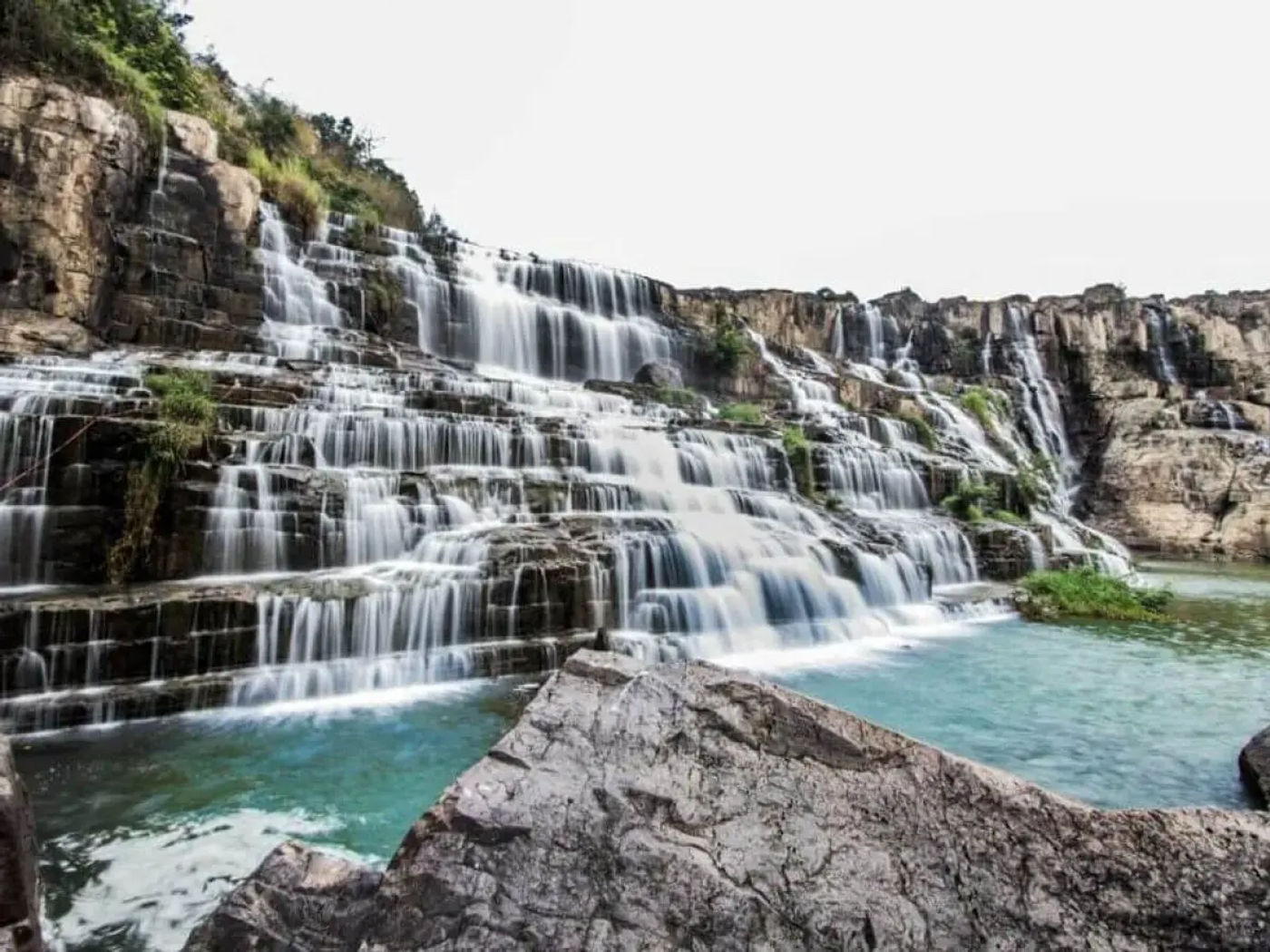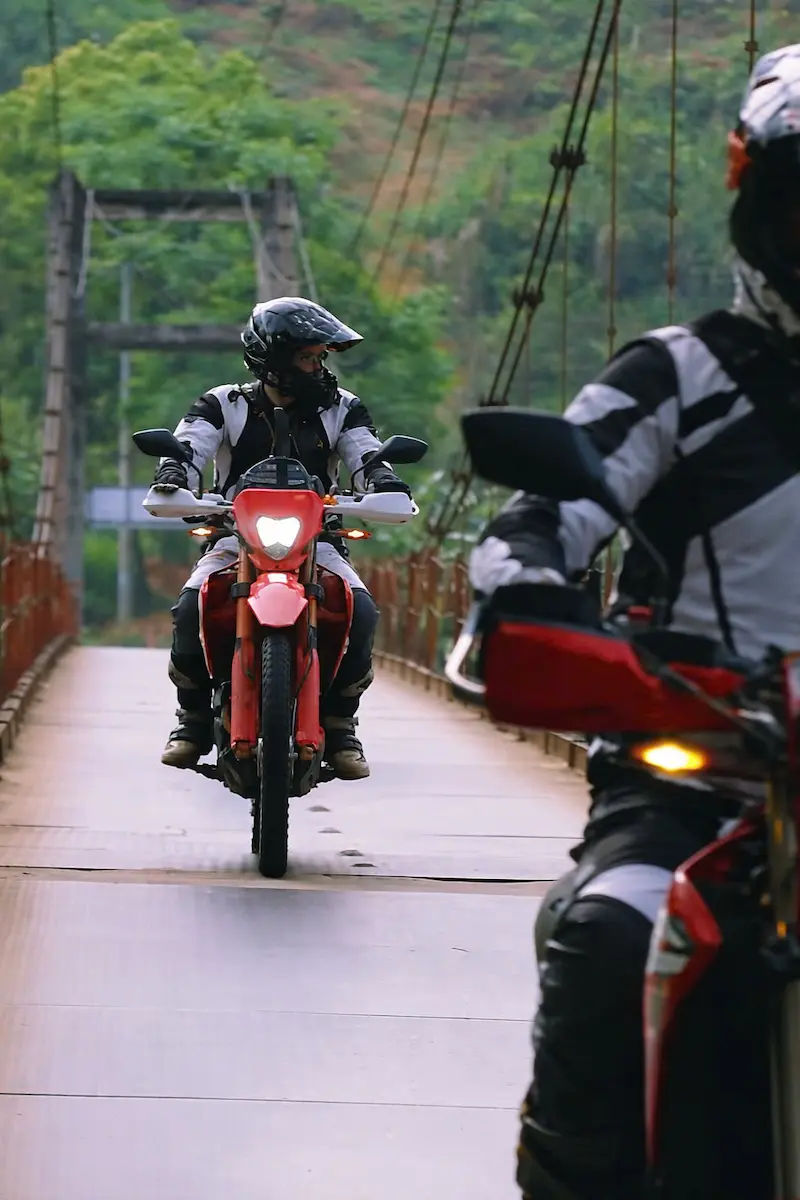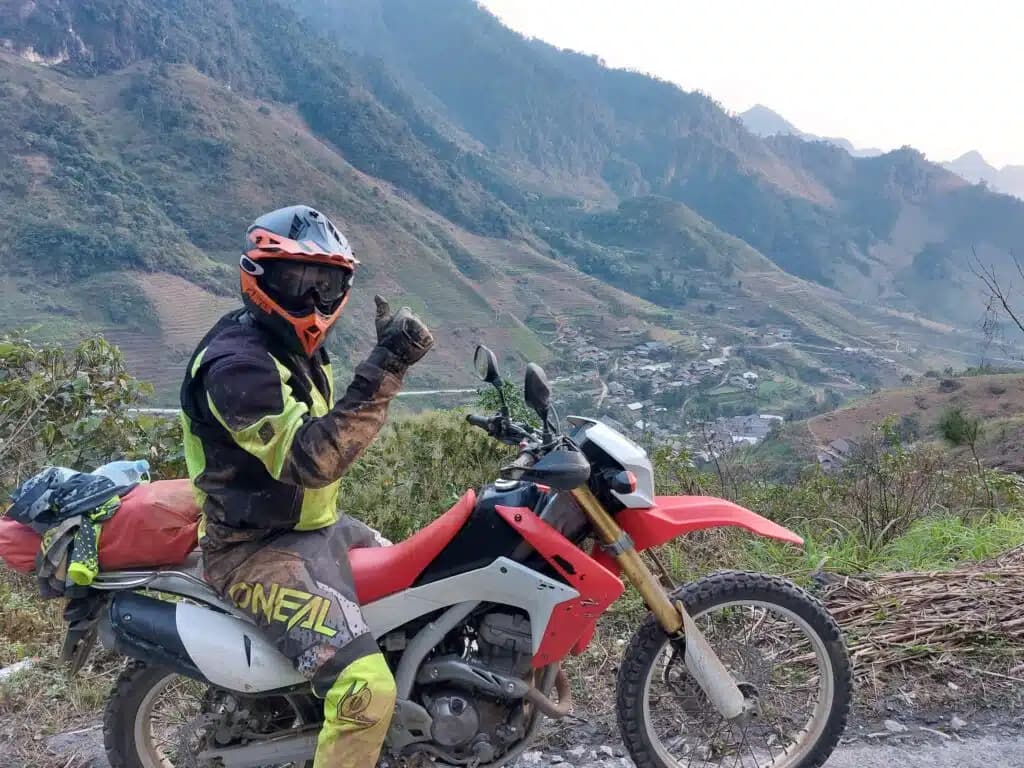
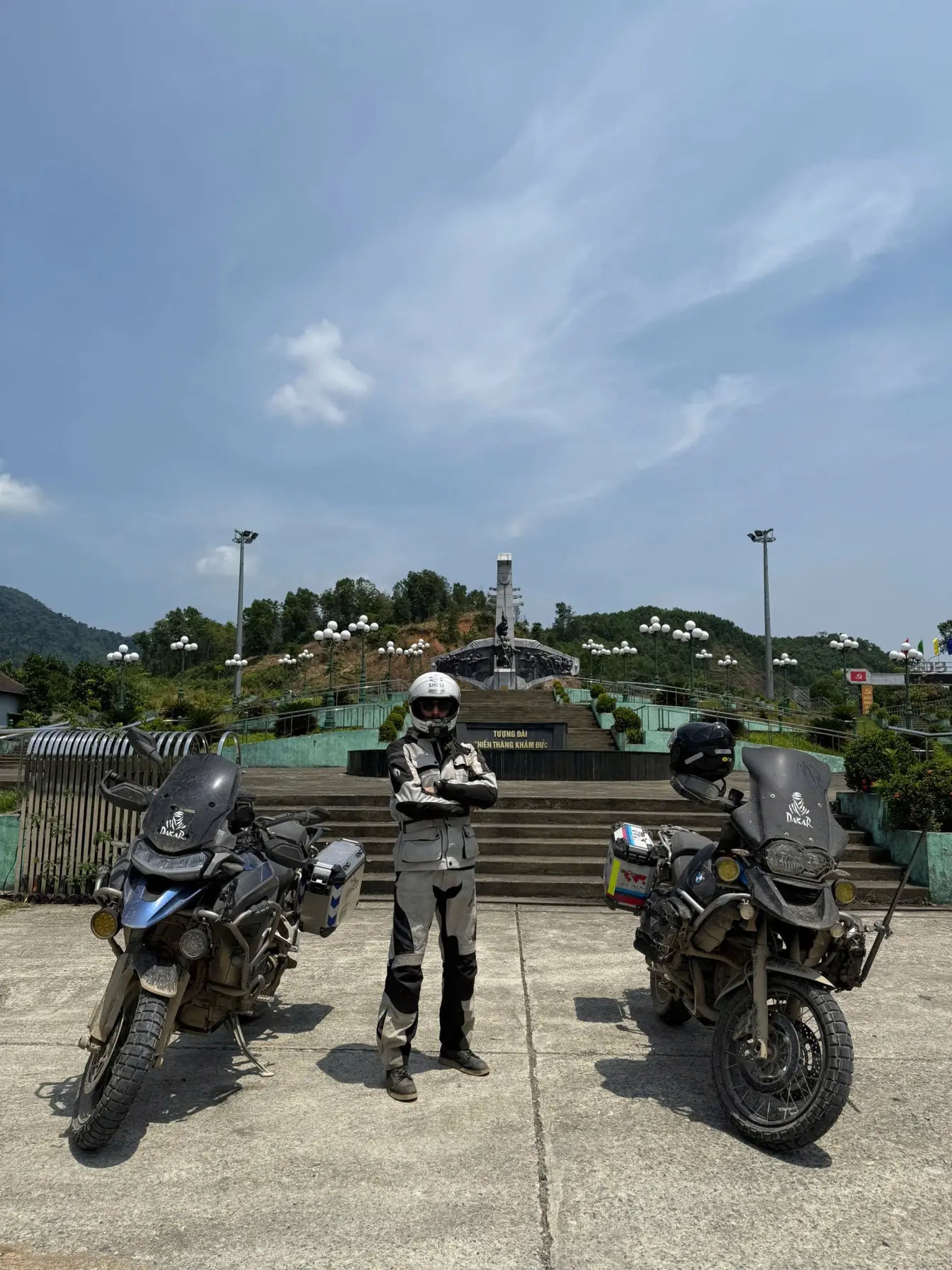
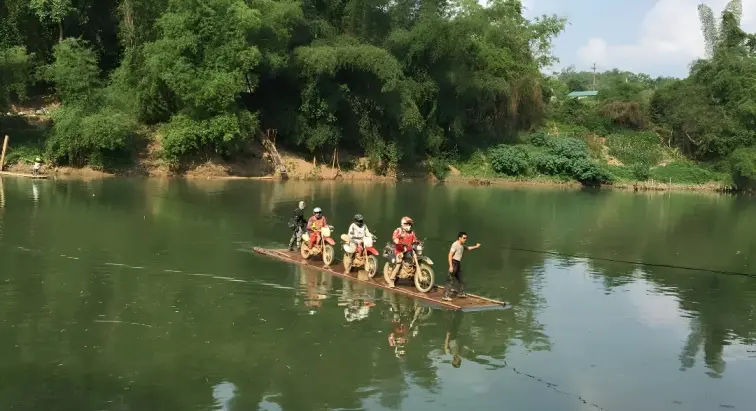
You know that feeling when you’re planning your next multi-day trip and someone mentions Northern Vietnam? Yeah, that’s exactly where you need to be. We’re talking about epic journeys like the Ha Giang Loop with its dramatic limestone peaks, Ma Pi Leng Pass, and remote Hmong villages spanning 3-5 days, or the Northwest Loop connecting Sapa’s terraced rice fields to Fansipan peak and Mu Cang Chai over 4-6 days. Then there’s the Northeast route through Cao Bang and Ba Be, honestly one of the most underrated adventures, where Ban Gioc Waterfall, Ba Be National Park’s pristine lakes, and Nguom Ngao Cave create this perfect 2-6 day blend of natural wonders and ethnic minority culture. Most travelers are piecing together custom itineraries combining these iconic loops with spots like Pu Luong, Mai Chau, and Ninh Binh, creating 1-2 week adventures mixing motorbike touring, jungle trekking, and some of the most dramatic karst scenery you’ll find anywhere in Southeast Asia.This post is about Northern Vietnam’s Most Thrilling Multi-Day Adventure Routes.
- Check out Northern Vietnam best motorbike tours
| Route Name | Duration | Difficulty | Distance | Key Highlights | Best Season |
|---|---|---|---|---|---|
| Ha Giang Loop | 3-5 days | Hardcore | 350-450 km | Ma Pi Leng Pass, Dong Van Karst Plateau, Hmong villages | Sep-Nov, Mar-May |
| Northwest Loop | 4-6 days | Hardcore | 400-600 km | Sapa, Fansipan, Mu Cang Chai terraces, O Quy Ho Pass | Sep-Oct, Mar-May |
| Northeast Loop (Cao Bang) | 3-5 days | Moderate | 300-400 km | Ban Gioc Waterfall, Ba Be Lake, Nguom Ngao Cave | Sep-Nov, Apr-Jun |
| Pu Luong – Mai Chau | 2-4 days | Moderate | 150-250 km | Rice terraces, bamboo waterwheels, Tay villages, jungle treks | Year-round |
| Sapa Trekking Trail | 2 days | Easy | 22-27 km trek | Muong Hoa Valley, Cat Cat Village, homestay experience | Sep-Nov, Mar-May |
| Mountain-Forest Combo | 7-10 days | Hardcore | 600-900 km | Sapa to Pu Luong, altitude variety, ecosystem diversity | Oct-Nov, Apr-May |
Best Multi-Day Hardcore Routes
Let’s be real here, if you’re the type of rider who gets bored with easy scenic drives, Northern Vietnam’s hardcore routes will absolutely wreck you in the best way possible. The Ha Giang Loop sits at the top of this list, and after riding it myself last October, I can tell you it’s not just hype.
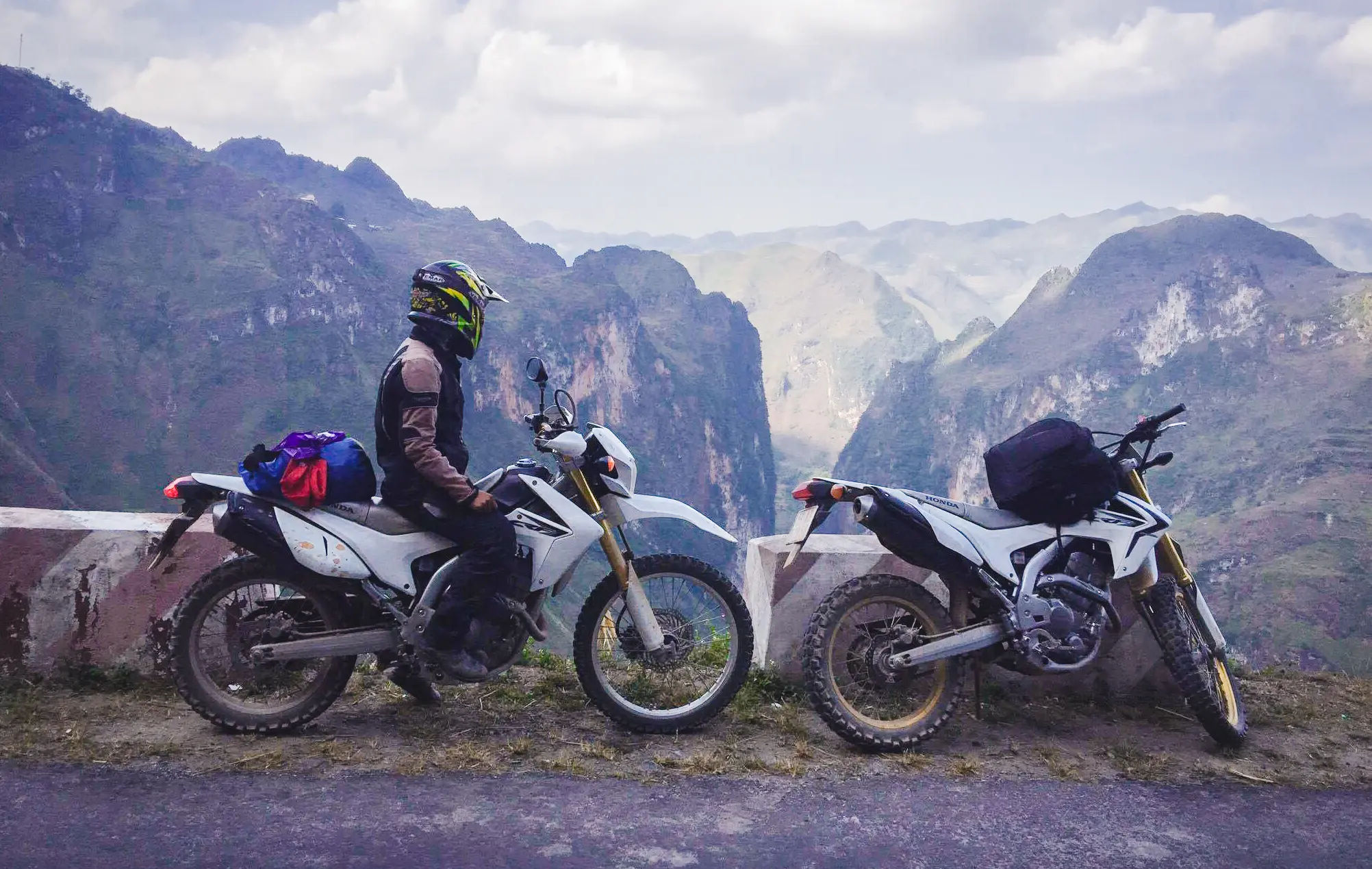
You’re looking at 3-5 days of relentless mountain passes, with Ma Pi Leng Pass being the crown jewel where the road literally clings to cliff faces dropping hundreds of meters into the Nho Que River below. The route takes you through Dong Van Karst Plateau Geopark, up to Lung Cu Flag Tower at Vietnam’s northernmost point, and into villages where Hmong families still live pretty traditionally.
Road conditions vary wildly, some sections are freshly paved while others throw loose gravel and potholes at you without warning. The Northwest Loop is another beast entirely, connecting Sapa to Lai Chau and Dien Bien Phu over 4-6 days. O Quy Ho Pass tests your skills with its hairpin bends and frequent fog, while the stretch through Mu Cang Chai during September-October harvest season offers those famous golden terraced rice fields everyone posts about. These routes demand solid riding experience, decent fitness levels, and genuine respect for mountain weather that can shift from sunny to dangerously foggy within an hour.
- Check out Solo motorbike ride in Ha Giang
Moderate Multi-Day Adventure Routes
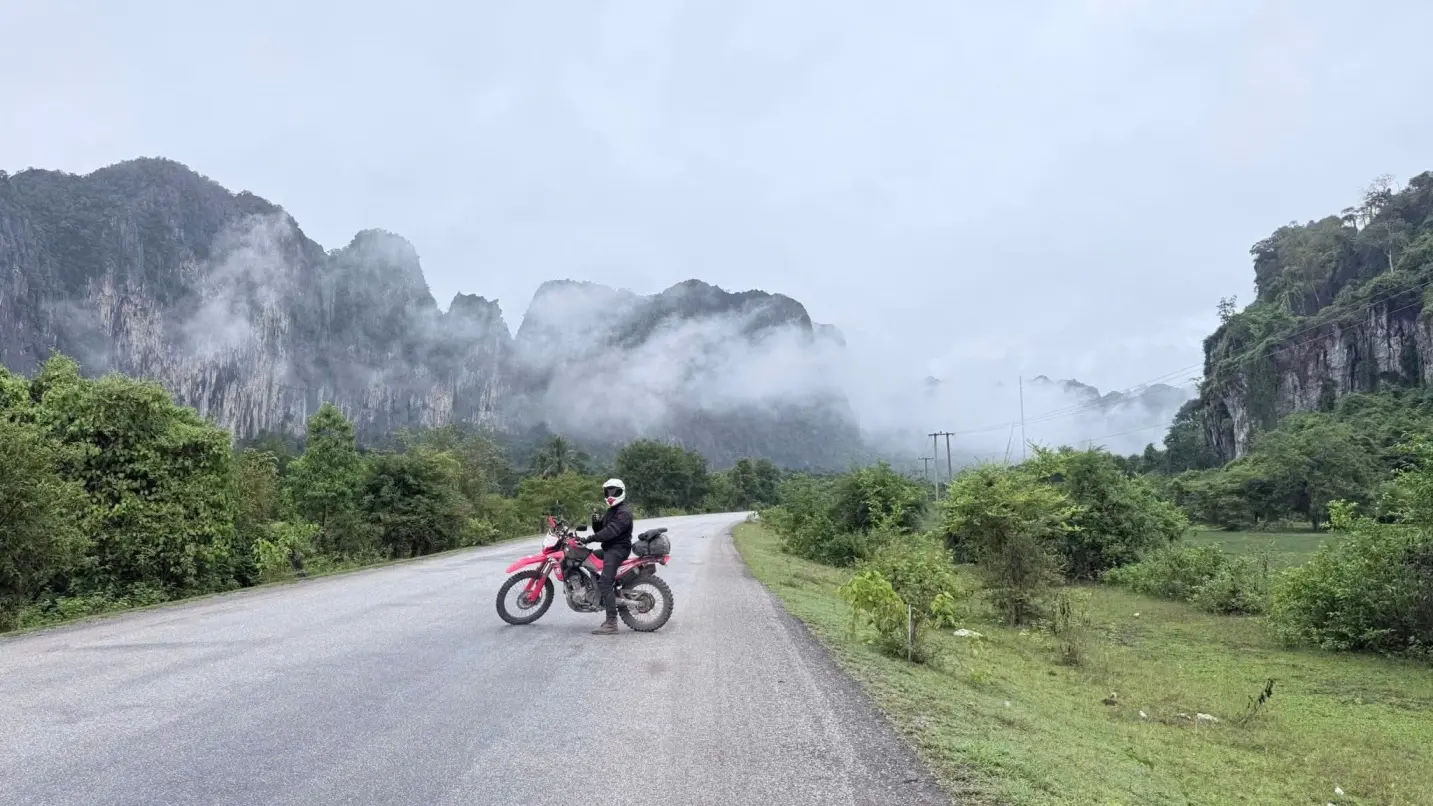
Not every epic adventure needs to push you to your absolute limits, and that’s where Northern Vietnam’s moderate routes really shine. The Northeast Loop through Cao Bang and Ba Be National Park typically runs 3-5 days and honestly surprised me with how accessible it felt compared to Ha Giang.
You still get incredible scenery, Ban Gioc Waterfall is Vietnam’s largest and sits right on the Chinese border, creating this massive curtain of water that’s genuinely impressive during the rainy season. Ba Be Lake offers a completely different vibe with kayaking, staying in Tay stilt houses, and exploring Nguom Ngao Cave’s limestone formations without the intensity of constant mountain passes. Roads here are generally better maintained, though you’ll still encounter some rough patches around remote villages.
The Central North routes through Pu Luong and Mai Chau work perfectly for travelers wanting cultural immersion without extreme riding challenges. These valleys feature gorgeous rice terraces, bamboo waterwheels, and opportunities to trek between ethnic minority villages rather than spending entire days in the saddle. Most guesthouses are family-run, meals are shared communal style, and you can easily add activities like bamboo rafting or guided jungle treks.
These moderate routes typically allow more flexibility in your daily schedule and work well for travelers combining motorbiking with substantial trekking or photography time.
- Check out Cross country ride: Hanoi to Ho Chi Minh City Tours
- 7 day motorbike adventure in far north
Sapa 2-Day Trail
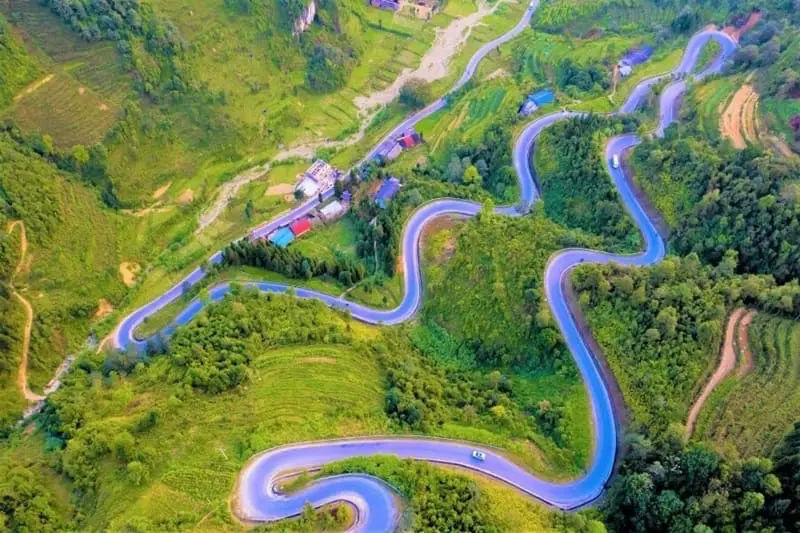
Sapa’s 2-day trail has become incredibly popular for good reason, it delivers that quintessential Northern Vietnam trekking experience without requiring a full week commitment. Most itineraries start from Sapa town early morning, trekking down through Muong Hoa Valley toward Cat Cat Village or heading to Y Linh Ho and Lao Chai villages where Black Hmong and Dzay communities farm those iconic terraced rice fields.
The first day typically covers 12-15 kilometers with moderate difficulty, though those valley descents can be slippery after rain and your knees will definitely feel it. You’ll spend the night in a homestay, usually in Ta Van Village, where Red Dzao or Giay families host trekkers in their traditional wooden stilt houses. Dinner is communal, often featuring local specialties like grilled pork, mountain vegetables, and plenty of rice wine if you’re up for it.
Day two usually involves trekking to Giang Ta Chai Village or exploring other valleys before returning to Sapa town, covering another 10-12 kilometers. The terrain ranges from rice paddy trails to bamboo forest paths and stream crossings. Best months are September-November when rice terraces turn golden, or March-May for planting season’s vivid green, though be prepared for cool temperatures and potential rain any time of year in these mountains.

Mountain–Forest Combination Routes
Here’s what most travel guides won’t tell you, some of the best multi-day adventures, anywhere in Northern Vietnam happen when you stop treating mountains and forests as separate experiences and start combining them into one epic journey. I learned this during a 10-day trip that mixed the highlands around Sapa with the jungle valleys of Pu Luong, and honestly, the contrast made each landscape feel even more dramatic.
These combination routes typically start in mountain areas like Ha Giang or the Northwest Loop, where you’re dealing with high-altitude passes and exposed ridgelines, then transition into lowland forest regions where the air gets thick and humid. The route from Sapa down through Mu Cang Chai into Pu Luong Nature Reserve is a perfect example, taking about 5-7 days depending on how much trekking you add.
You start with terraced rice fields at 1500 meters elevation, navigate mountain passes, then descend into limestone valleys filled with primary forest, bamboo groves, and hidden waterfalls.
Another solid option connects Cao Bang’s karst mountains with Ba Be National Park’s old-growth forests surrounding the lake. The ecosystem shift is wild, you go from rocky peaks with sparse vegetation to dense jungle where morning mist hangs between massive trees. These routes require more gear versatility since mountain mornings can be cold while forest afternoons get seriously hot and humid, but that variety keeps every day feeling fresh and challenging in different ways.
Preparation Tips for Long Adventures
Look, I’ve messed up enough multi-day trips to know that proper preparation makes the difference between an incredible adventure and a miserable slog through problems you could have avoided. Physical conditioning matters more than most travelers realize start training at least a month before departure with cardio work and leg strengthening exercises because 6-8 hours daily in the saddle or on trails will expose any fitness gaps fast.
I usually do cycling or stair climbing three times weekly leading up to Northern Vietnam trips. Research your route specifics beyond just the highlights—know where fuel stops are located, which towns have ATMs since many villages are cash-only, and which stretches have limited food options requiring you to carry snacks.
Accommodation booking depends on your route, popular loops like Ha Giang need advance reservations during peak months, while more remote areas like deep Cao Bang often require just showing up at village homestays. Get your motorbike license situation sorted early, technically you need an international driving permit, and some police checkpoints do check, especially on the Ha Giang Loop.
Travel insurance that covers motorbiking is essential since accidents happen on mountain roads. Check weather patterns for your specific dates because Northern Vietnam’s mountain weather varies dramatically by season, October-November offers clear skies but cold nights, while May-September brings afternoon rains that can make passes dangerous. Download offline maps for your entire route since cell coverage drops completely in many mountain areas.
- Check out rocky trails in Northern Vietnam
Gear Checklist
After doing maybe a dozen multi-day rides through Northern, I’ve finally figured out what actually matters in your pack versus what just adds useless weight. Start with clothing layers, mornings in the mountains can be 10-15 degrees Celsius while afternoons hit 30, so pack a waterproof jacket, fleece or light down layer, long pants for cold mornings, and breathable shirts for when it warms up.
A good quality rain jacket is non-negotiable since mountain weather changes without warning. For riding specifically, bring a helmet if your rental doesn’t include a decent one, gloves for both warmth and grip, and a buff or bandana to keep dust out of your face on unpaved sections. Your basic first-aid kit should include blister treatment, pain relievers, antiseptic, bandages, and any personal medications—village clinics exist but are very basic.
Electronics need attention too, bring a power bank since electricity can be unreliable in remote homestays, charging cables, and a headlamp because many villages have limited lighting after dark. Sun protection is serious business up there—SPF 50 sunscreen, lip balm, and sunglasses because the UV exposure at altitude will burn you badly. I always pack a quick-dry towel, basic toiletries, and wet wipes since shower facilities vary widely.
A small padlock secures your bag when leaving it at accommodations. Finally, bring Vietnamese dong in small bills, many villages can’t break 500,000 notes, and some places don’t accept cards at all.
Time Planning for Multi-Day Rides
Getting your daily timing right can literally make or break a multi-day adventure in Northern Vietnam, and I learned this the hard way during my first Ha Giang attempt when poor planning left me riding dangerous passes in complete darkness. Most experienced riders aim for 150-200 kilometers maximum per day on Vietnam’s mountain roads, sounds modest compared to highway riding, but these aren’t highways.
You’re dealing with constant elevation changes, hairpin turns, occasional livestock in the road, and stops for photos or village visits that eat up time faster than you expect. Break your route into realistic daily segments that account for both distance and difficulty, a 120-kilometer day over three major passes takes longer than 180 kilometers on flatter terrain.
Build buffer time into every day because things go wrong, motorbikes break down, weather forces detours, or you discover an amazing village and want to spend extra time there. I typically plan to reach my destination by 4pm at the latest, giving cushion for unexpected delays and ensuring I’m not navigating unfamiliar mountain roads at dusk.
Consider your energy levels across multiple days too, don’t stack all your hardest riding at the start when you’re fresh because by day four or five, accumulated fatigue makes even moderate routes feel challenging. Factor in rest days or easier days after particularly demanding stretches, especially if you’re combining riding with trekking activities that add physical strain.
Best Daily Start Time
Here’s the thing about start times in Vietnam’s mountains roads, get it wrong and you’ll either waste the best riding hours or end up fighting fading light on dangerous roads. I aim to leave my accommodation between 7-8am for most days, which sounds early but makes perfect sense once you’re actually doing it.
This timing lets you grab breakfast at your homestay or guesthouse, pack your gear properly without rushing, and hit the road once morning mist starts clearing from the valleys but before midday heat becomes uncomfortable.
Starting at 7am also means you typically reach scenic passes and viewpoints during optimal light for photography, roughly between 9am-11am when the sun illuminates valley landscapes without creating harsh shadows. The afternoon weather pattern matters too, many Northern Vietnam regions experience cloud buildup or rain showers between 2-5pm, especially during the wet season from May through September.
By starting early, you knock out the majority of your distance before weather deteriorates and still arrive at your next destination with daylight to spare for checking in, cleaning up, and exploring the village. There are exceptions though, if you’re tackling an especially difficult or long day, some riders leave at 6am or even earlier. On rest days or shorter segments, sleeping in until 8am and leaving by 9am works fine. The key is matching your start time to your planned distance and making sure you’re not still riding after 5:30pm when visibility drops fast in the mountains.
- Check out: Visit historical sites in Northern Vietnam
Conclusion: The Best Multi-day Adventure In North Vietnam
Northern Vietnam’s multi-day adventure routes offer something for every type of rider, whether you’re chasing hardcore mountain passes on the Ha Giang or taking it easier through Pu Luong’s valleys. The key is matching your route to your experience level and available time while preparing properly with the right gear and realistic daily planning. Start early, respect the mountains, and don’t rush through villages where some of the best experiences happen spontaneously. These routes deliver the kind of adventure that stays with you long after you’ve returned home, combining natural beauty with genuine cultural encounters that few destinations can match. Ready for adventure, checkout out Vietnam best motorbike tours
About the author
Hamid is an adventure rider based in Hanoi who has spent over a decade exploring Northern Vietnam’s mountain routes. He specializes in multi-day expeditions through the region’s most challenging passes and remote valleys, helping travelers plan their own adventures with practical insights from the road.