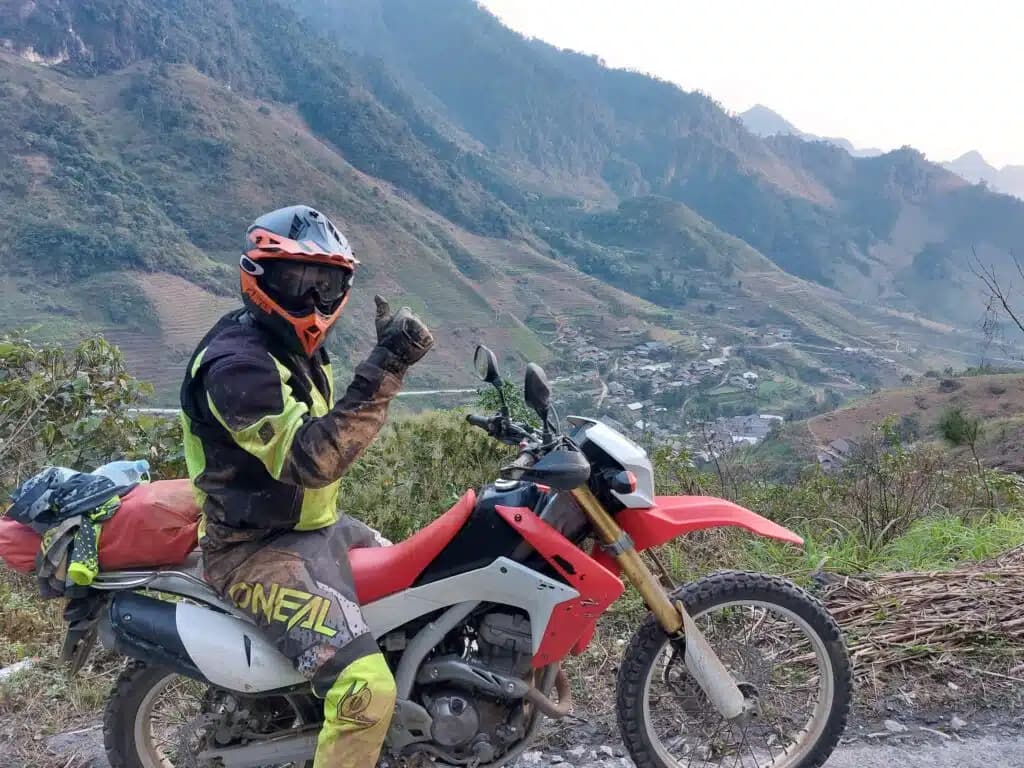
Hi guys, so today I will be answering a very common question: When’s the best time of year to tour Northern Vietnam by motorbike?
In general, the best time of the year to ride a motorcycle around the Northern Vietnam would be during the dry season, which means around early October to the Mid April (If you asking me). During these period of the year, the temperatures stay around 18 to 25 degree, making it pleasant without riding under the summer’s extreme heat and humidity.
- Check out Vietnam best motorbike tours
Vietnam Climate Overview
- Three Different Weather Zones: North has cool winters and hot summers; south stays warm all year; central region sits in between and gets weather from both sides
- Rain Comes at Different Times: May to September brings heavy rain to the south and middle, while the north stays mostly dry; October to March flips this around
- No Perfect Month for Everything: Good weather in the north often means rain in the south, so picking the right time depends on where you want to ride
Big Temperature Differences: Mountain mornings can be cold at 5°C while delta afternoons hit 38°C heat on the same day - Plan by Region, Not by Season: Matching your route to each area’s dry months matters more than finding one ideal time to visit
Vietnam stretches across over 2000 kilometers of latitude, creating three distinct climate zones that rarely align in their seasonal rhythms. The north experiences genuine four-season variation with occasional winter frosts in the highlands, while the south maintains tropical consistency year-round with only wet and dry distinctions. Central Vietnam serves as the turbulent transition zone where both monsoon systems collide, often simultaneously.
The southwest monsoon dominates from May through September, drenching the south and central regions while leaving the north relatively clear. The northeast monsoon reverses this pattern from October through March, bringing persistent drizzle to the north and central coast while the south basks in sunshine.
This climatic complexity means no single month offers perfect conditions nationwide. Temperature variations swing dramatically as well, from 5°C mountain mornings in Sapa to 38°C delta afternoons in the Mekong, sometimes on the same day. Understanding these patterns transforms route planning from guesswork into strategic navigation.
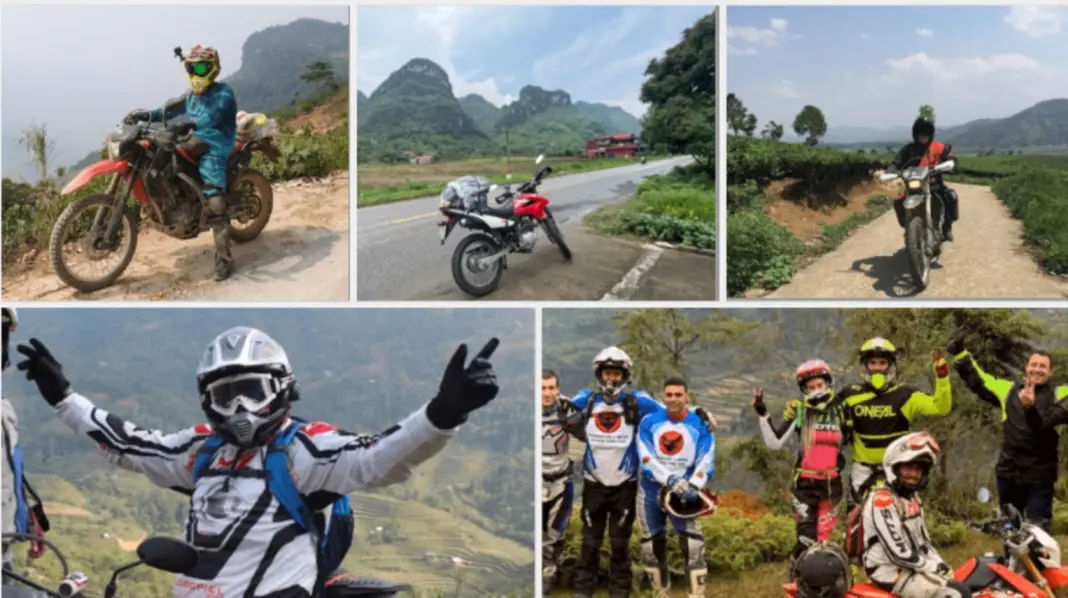
Best Time for Northern Vietnam
The northern provinces reward patience with a narrow window of exceptional riding conditions. October through November delivers the most reliable combination of clear skies, moderate temperatures, and minimal rainfall across the mountainous northwest loop.
Daytime temperatures hover comfortably between 20-28°C in the valleys, though mountain passes can drop to 15°C at dawn. The rice terraces around Sapa and Mu Cang Chai reach their golden peak in late September through October, transforming entire valleys into cascading amber waves before harvest. December through February brings the northeast monsoon’s persistent mist and drizzle to Ha Giang and the Chinese border regions, reducing visibility on technical mountain passes where it matters most.
These winter months also introduce genuine cold to high elevations, with temperatures plummeting to near freezing above 1,500 meters. March and April offer another brief favorable window before the summer heat and rains arrive in May. The summer months from June through August bring intense humidity and afternoon thunderstorms that turn dirt sections treacherous, though mornings often start clear and rideable for early departures.
- Check out the best month of the year to ride the Ha Giang Loop
- See 15 days Hanoi to Ho Chi Minh City motorbike tours
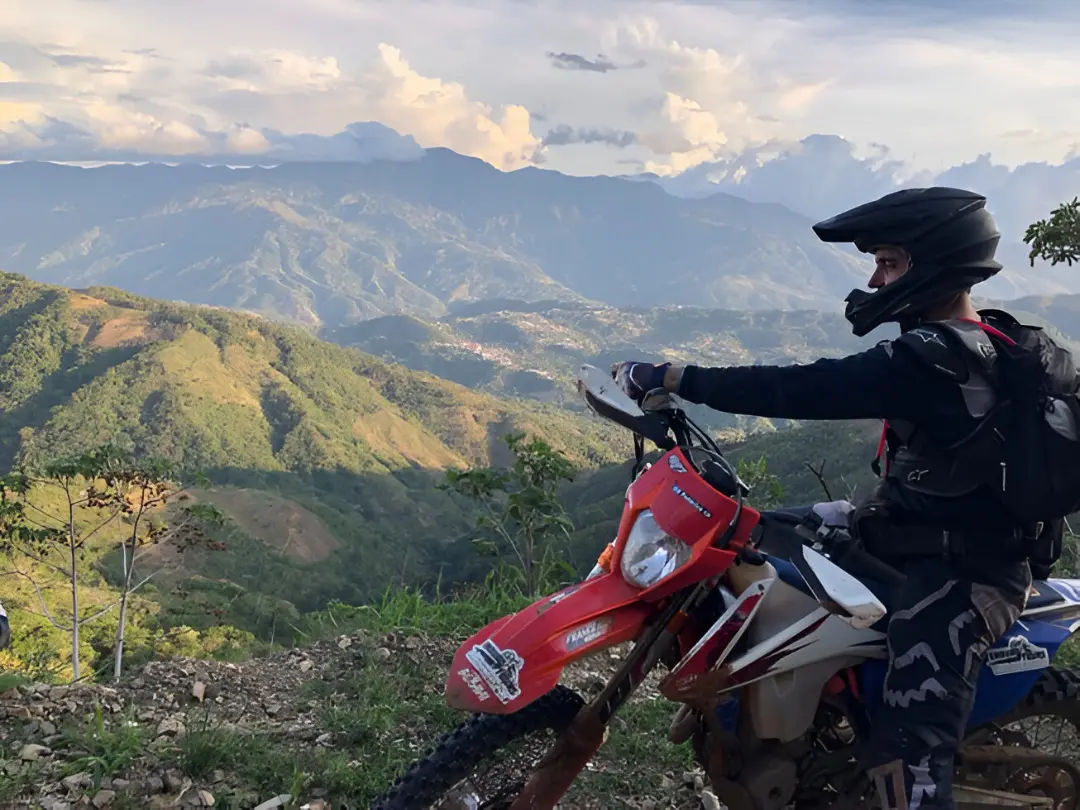
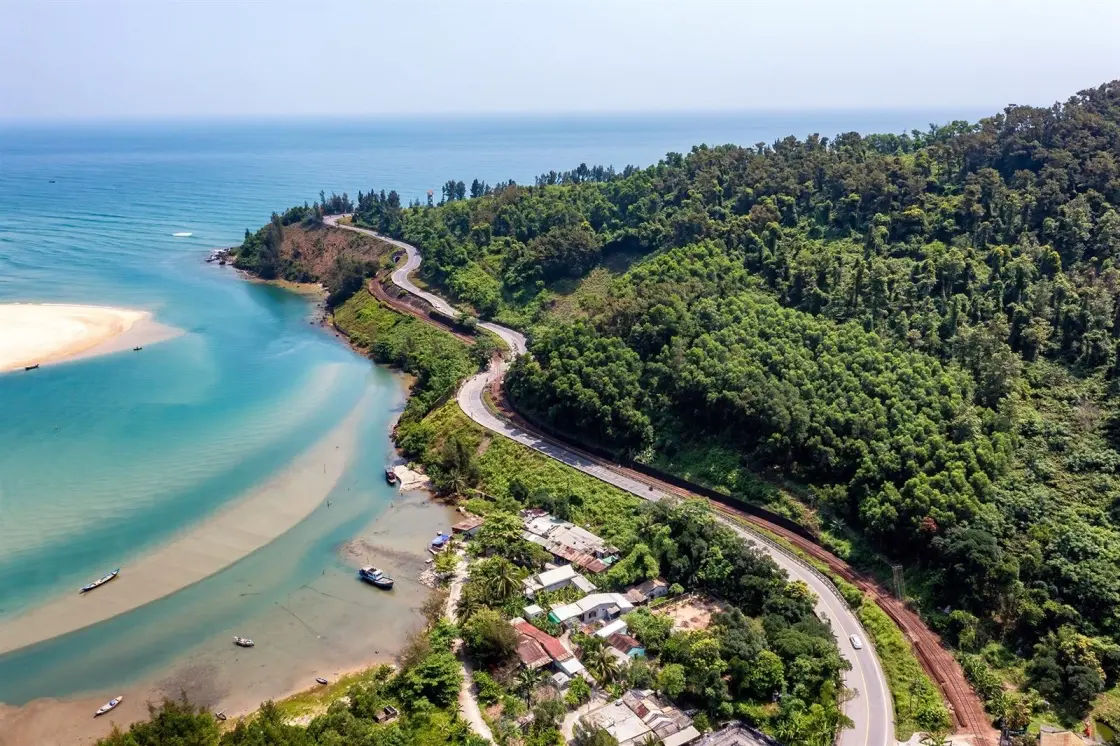
Best Time for Central Vietnam
Central Vietnam presents the most challenging weather puzzle for route planning, caught perpetually between competing monsoon systems. The coastline from Hue to Hoi An experiences its driest, most stable period from February through May, when the Hai Van Pass reveals its full dramatic sweep without cloud obstruction.
Temperatures during these months range comfortably between 24-32°C with minimal rainfall and relatively calm seas along the coastal highway. June through August brings scorching heat to the central plains around Hue and Da Nang, with temperatures regularly exceeding 35°C and humidity making riding gear almost unbearable during midday hours.
The notorious wet season arrives in September and peaks catastrophically through November, when the northeast monsoon slams moisture directly into the Annamite Mountains. October and November historically bring the heaviest rainfall in all of Vietnam to this region, with roads frequently washing out and visibility dropping to dangerous levels on mountain passes.
The Central Highlands around Dalat follow a slightly different pattern, with the dry season extending from December through March offering crisp mountain air and excellent riding through pine forests and coffee plantations at elevations where temperatures stay refreshingly cool.
- Question: Is Vietnam safe for motorbike tours?
- Check out 7 days Ha Giang loop motorbike tours
Best Time for Southern Vietnam
Southern Vietnam maintains tropical predictability that simplifies planning considerably compared to the northern regions. The dry season from November through April offers consistently excellent riding conditions throughout the Mekong Delta, coastal roads, and highland routes around Da Lat. Temperatures during these months stay warm but manageable, typically ranging between 28-35°C with low humidity and virtually guaranteed sunshine.
December through February represents the absolute peak period, when comfortable temperatures combine with minimal rainfall and clear visibility for coastal riding along Highway 1 from Phan Thiet to Ca Mau. The shoulder months of November and April remain highly favorable, though slightly warmer temperatures begin asserting themselves. March and April bring increasing heat that builds toward the oppressive pre-monsoon conditions of May, when temperatures frequently exceed 38°C in the delta regions and humidity makes any riding gear feel like a sauna suit.
The southwest monsoon arrives reliably in late May and dominates through October, though southern rainfall patterns differ significantly from central Vietnam’s deluge. Rain typically falls in intense but brief afternoon downpours that clear within hours, leaving mornings and evenings largely rideable, particularly in July and August when rainfall actually moderates compared to the monsoon’s May-June onset.
- Check out: What’s a motorcycle in vietnam like and who’s best for?
- See 12 day northern Vietnam Motorcycle loop ride
Rainy Season Riding Tips
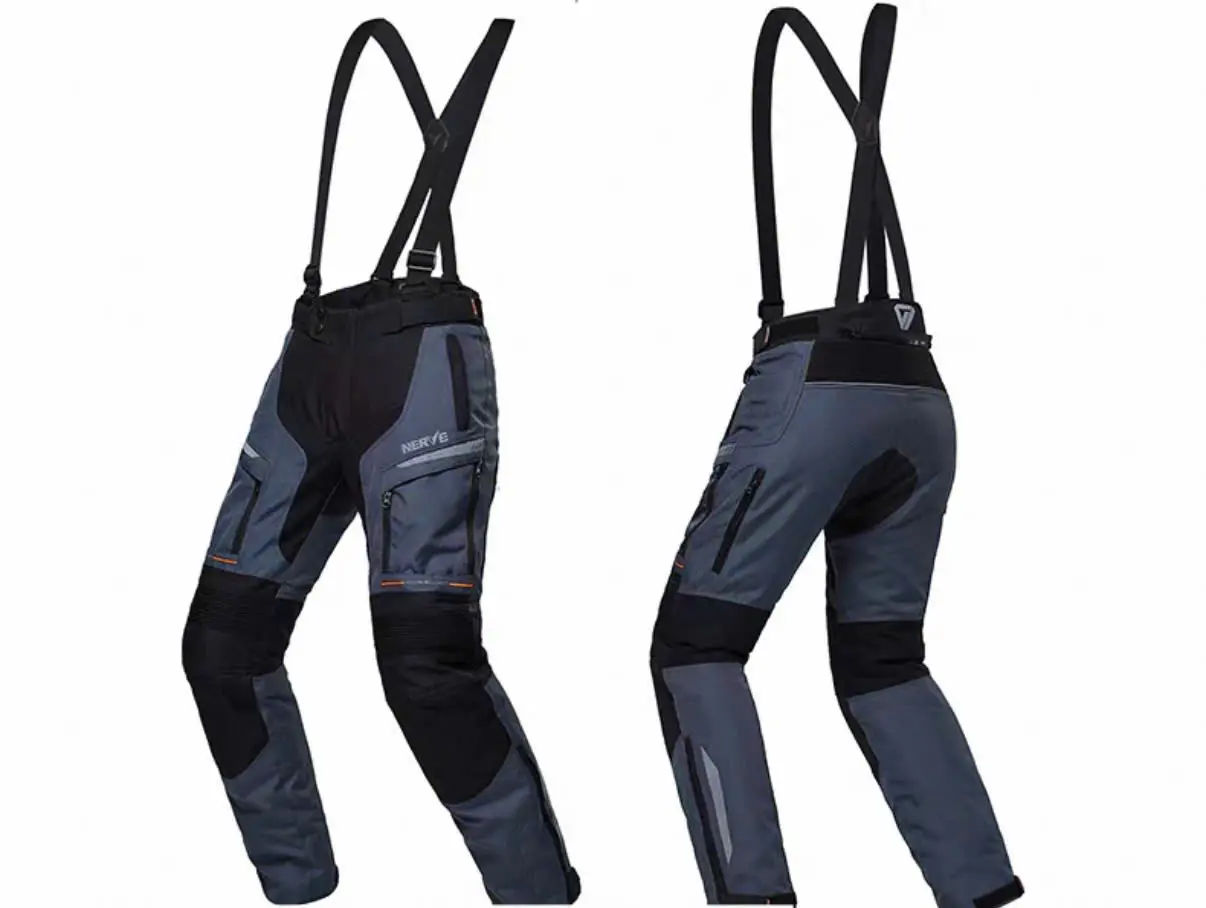
Riding Vietnam’s monsoon season demands equipment adjustments and tactical flexibility rather than complete avoidance. Quality rain gear becomes essential, specifically jackets and pants with proper ventilation to combat the humidity that often proves more challenging than the rain itself. Waterproof boot covers or dedicated waterproof boots prevent the misery of sodden feet that won’t dry for days in monsoon humidity.
Pack critical items in waterproof dry bags rather than trusting luggage rain covers, which inevitably fail during sustained downpours or river crossings. Morning departures become strategically crucial during monsoon months, as most afternoon thunderstorms follow predictable patterns, typically building between 2-5 PM in mountain regions. When rain arrives, reducing speed significantly matters more than most riders initially accept, as painted road markings, metal drain covers, and worn asphalt become lethally slippery within seconds of rainfall.
Visibility drops dramatically in heavy tropical downpours, making it safer to pull over completely under shelter rather than creeping forward blind. Route selection should avoid dirt roads and unpaved mountain passes entirely during active monsoon periods, as they transform into impassable mud channels within hours. Flash flooding presents serious danger in mountain valleys, so monitor weather forecasts and local advice seriously when planning passes like Hai Van or routes through the Central Highlands during wet season months.

Weather Planning for Riders
Strategic weather planning transforms a potentially miserable tour into an exceptional one by matching routes to seasonal advantages. Consider splitting longer tours across climate zones based on optimal timing rather than forcing a single departure date nationwide.
A north-to-south progression from October through January allows riders to chase favorable conditions systematically, starting in the northern mountains during their prime October-November window, transiting central Vietnam in December-January before the worst rains, and finishing in the southern dry season through February. Alternatively, southern riders can reverse this pattern from December northward. Build flexibility into itineraries by maintaining loose accommodation bookings and adjustable daily distances, allowing weather-based route modifications without penalties. Download offline weather apps like Windy or Ventusky that provide detailed forecasts including wind patterns and precipitation probability, crucial for planning mountain pass attempts.
Local knowledge consistently outperforms weather apps, so maintain conversations with guesthouse owners, mechanics, and other riders about current conditions ahead. Consider regional festivals and holidays when planning, as Vietnamese New Year (Tet) in late January or early February sees massive domestic travel that fills accommodations and crowds roads regardless of otherwise perfect weather conditions.
FAQs: When's the best time to ride a motorbike in Vietnam?
When is the best season for motorcycle tours in Vietnam?
December to March offers the most favorable conditions across all regions. Northern Vietnam peaks in autumn (September to November) and spring (March to May), central Vietnam rides best February through May, and southern Vietnam stays dry November through April.
- For more Information: See the best & worst time of the year to visit Vietnam
Is it possible to ride during the rainy season?
Yes, but with adjustments. Ride mornings before afternoon storms, avoid dirt roads entirely, reduce speed on wet pavement, and pack waterproof gear. Southern rain falls in brief heavy bursts while central Vietnam experiences prolonged downpours October through November.
How does weather vary across different regions of Vietnam?
Northern Vietnam has four distinct seasons with cold winters and hot summers. Central Vietnam catches both monsoons, creating year-round rain risk with heaviest falls September through November. Southern Vietnam stays tropical with only wet (May to October) and dry (November to April) seasons.
Conclusion: The Best Time of the Year to Travel Vietnam by a Motorbike
Vietnam’s weather complexity rewards deliberate planning over spontaneous departure dates. Rather than seeking one perfect month, successful touring hinges on matching specific regions to their optimal windows: northern mountains during autumn’s golden harvest or spring’s emerald awakening, central coasts before summer’s monsoon fury arrives, southern deltas throughout the reliable dry season.
This regional approach transforms weather from obstacle into advantage, allowing riders to chase clear mountain passes and dry valley roads systematically. The monsoon calendar becomes less a barrier than a routing tool, guiding which direction to ride and when. Flexibility remains crucial, as Vietnam’s climate defies rigid schedules with unexpected cold snaps in northern highlands or early rains along the central coast. Yet armed with regional timing knowledge and willingness to adapt daily routes based on forecast patterns, riders discover Vietnam’s roads accessible year-round with proper preparation and strategic navigation. Check out our Northern Vietnam best motorbike loops
About the author
Hamid is an experienced adventure rider specializing in Southeast Asian big bike touring, offering expert route guidance and seasonal timing advice trusted by international motorcyclists across Vietnam’s challenging terrain.