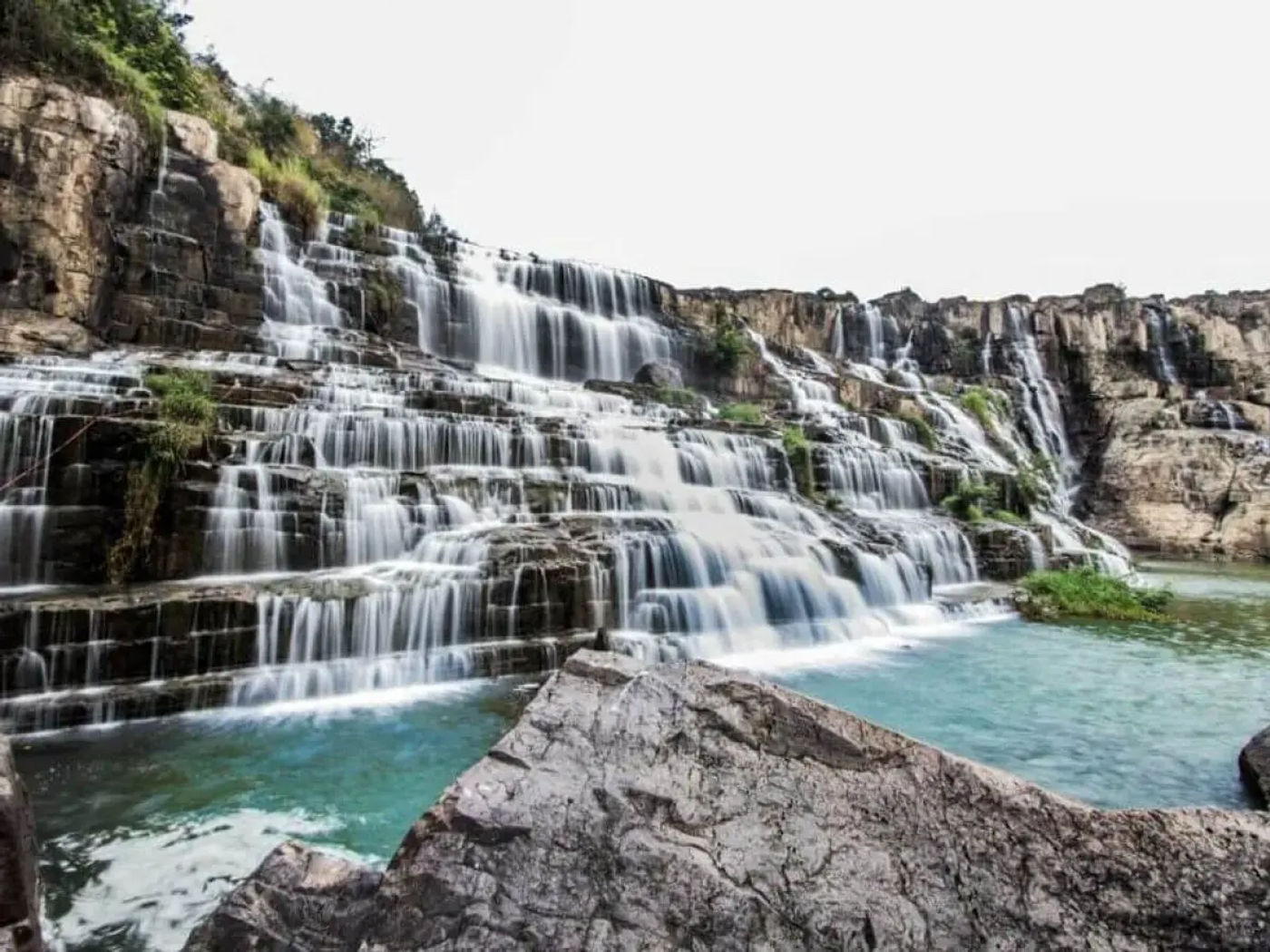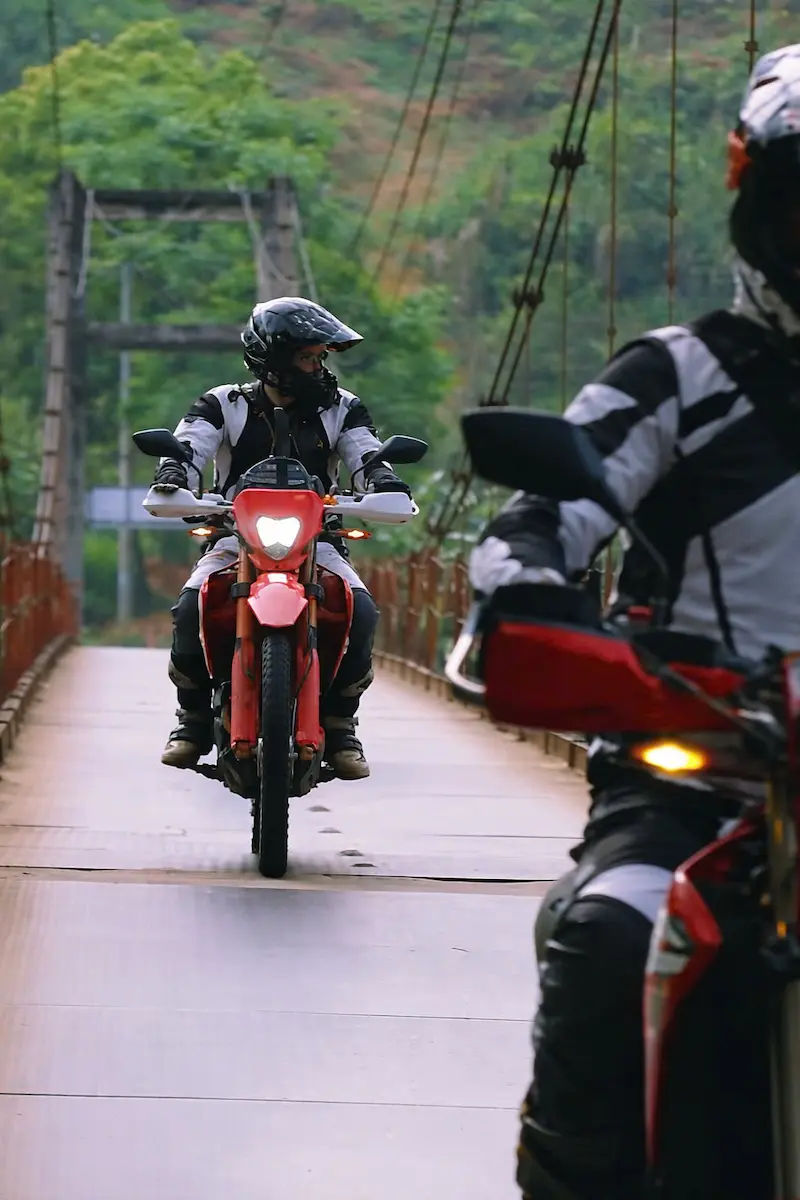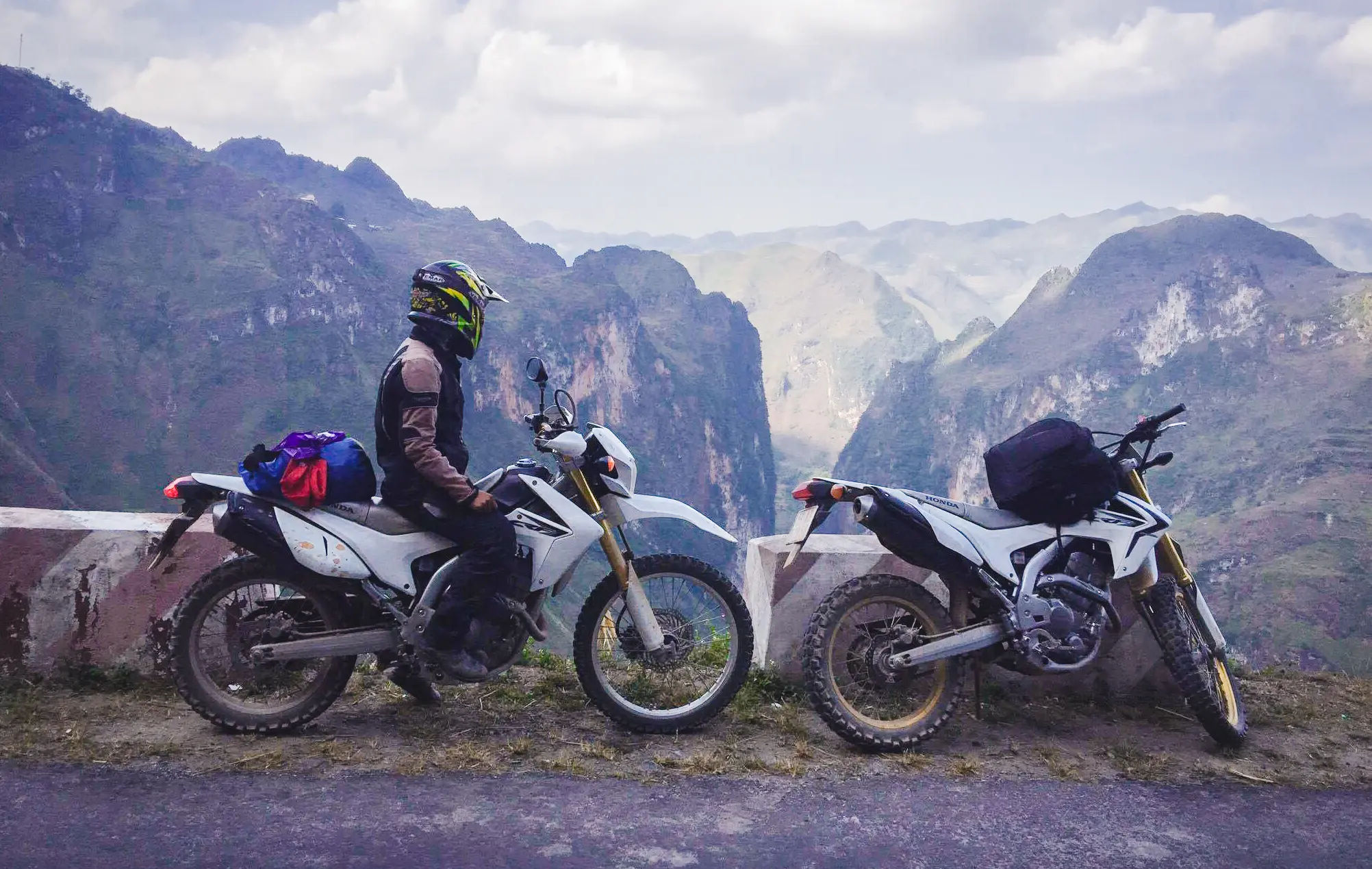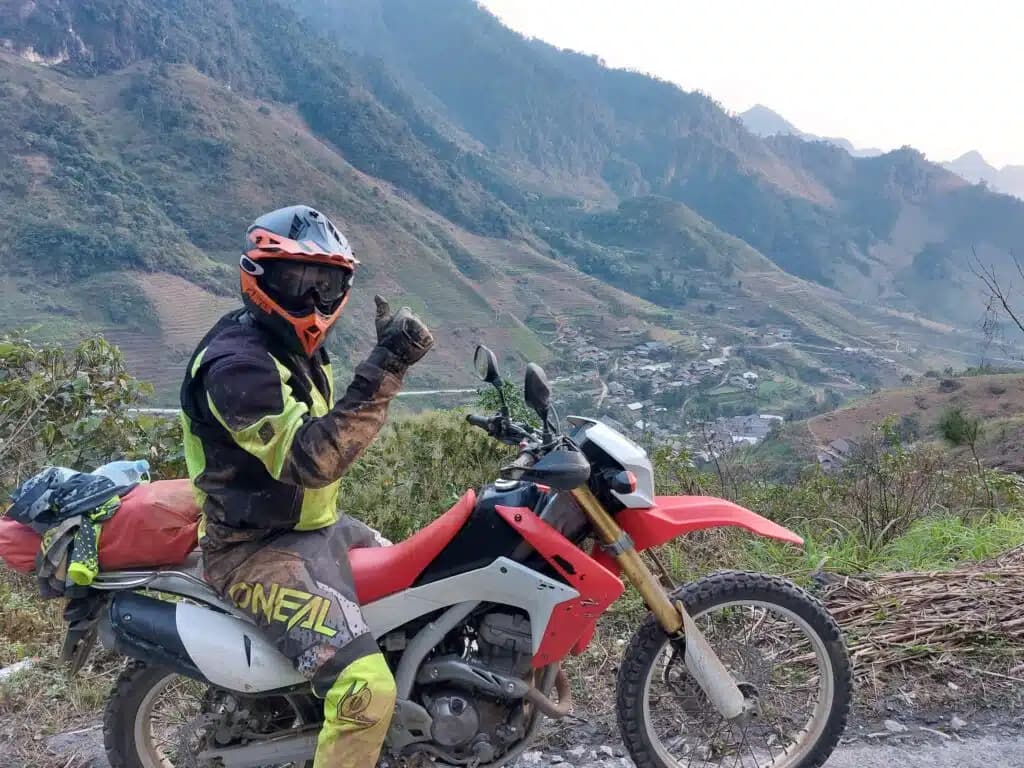
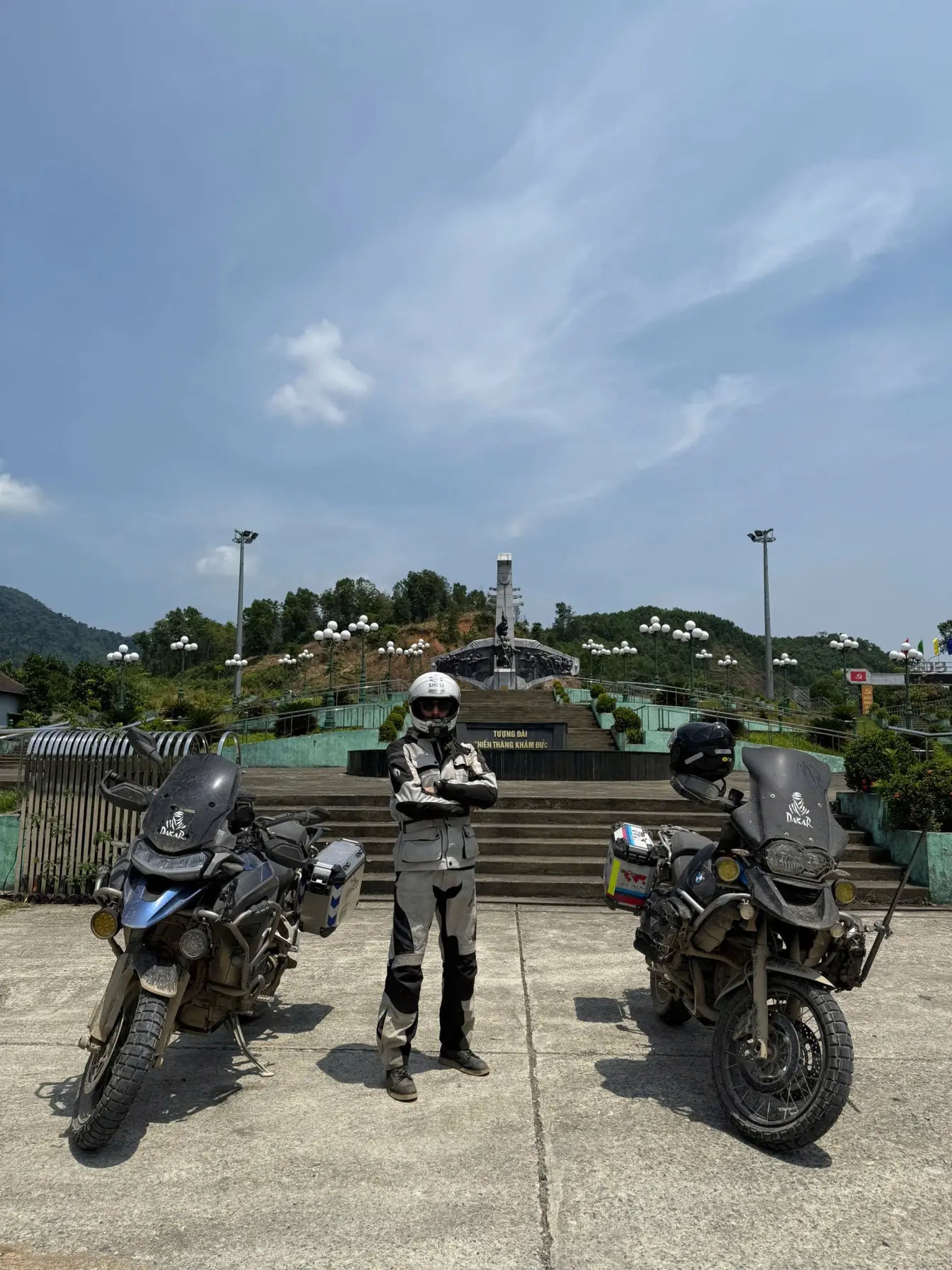
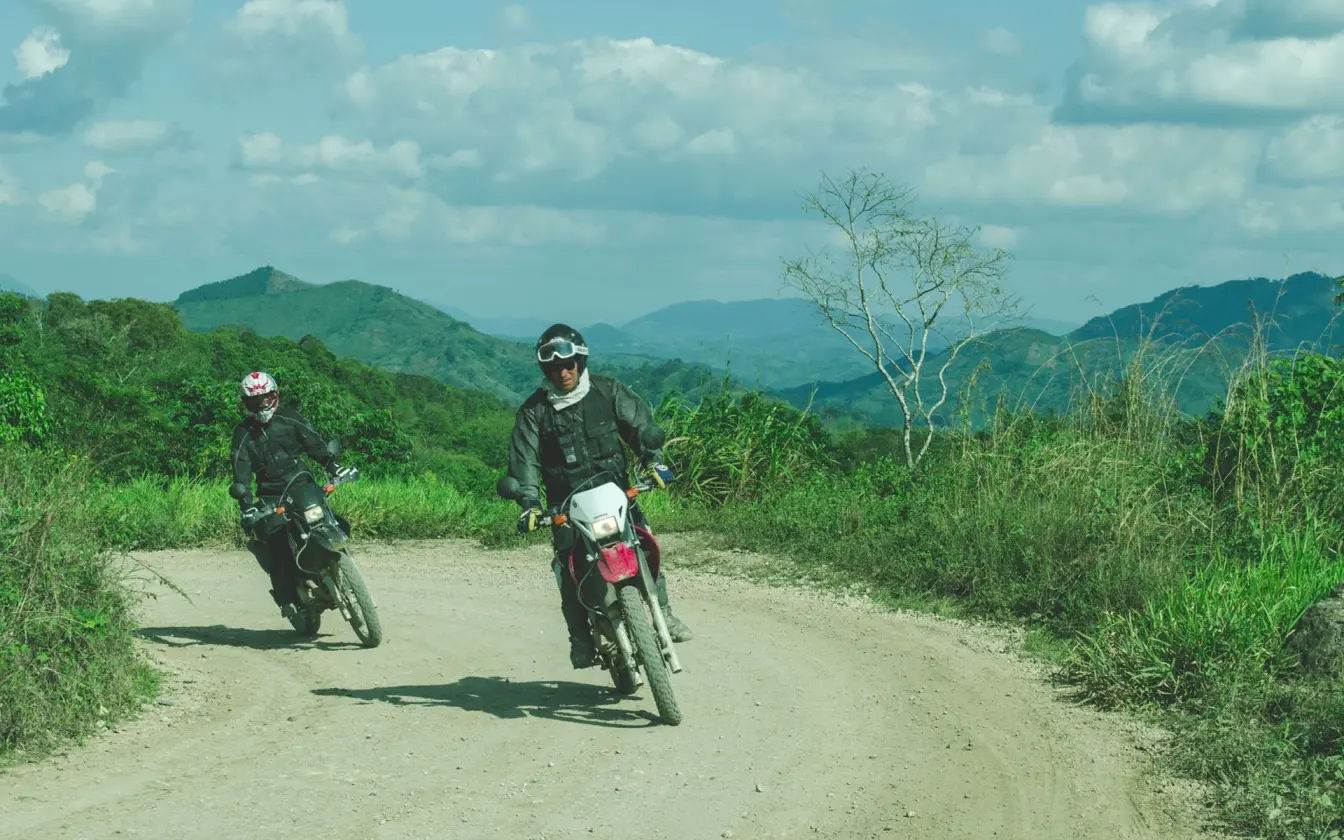
Planning a ride from Hanoi to Ho Chi Minh City? Vietnam’s north-to-south routes offer something for every rider. The Coastal Route takes you through beach towns and historic cities along Highway 1A, perfect if you want a relaxed pace with plenty of stops. Prefer remote adventure? The Ho Chi Minh Trail cuts through jungle and past Vietnam War sites, connecting you with local communities far from tourist crowds. Or tackle the northern loops first: the Ha Giang Loop delivers dramatic mountain passes and ethnic villages, while the Northeast Loop takes you to Ban Gioc Falls and Ba Be Lake. Most riders choose October through April when roads are dry and conditions reliable. Each route reveals a different side of Vietnam.
- Check out our unbeatable Motorbike Tours across Vietnam
Climate Differences Between North & South
Vietnam stretches over 1,000 miles from top to bottom, which means you’re riding through completely different climate zones. The north has four distinct seasons, with chilly winters (December to February) where temperatures in the mountains can drop to 5°C. Summer brings intense heat and humidity.
The south stays warm year-round, hovering between 25-35°C, with a simpler wet and dry season pattern. Central Vietnam sits in the middle with its own quirky weather, often catching typhoons between September and November. This matters because your packing list changes dramatically depending on which direction you’re heading and when you go.
- Check out the best time to visit Vietnam in General
- See the best time to ride the infamous Ha Giang Loop
Humidity & Rainfall
The south gets hammered by monsoon rains from May to October, with afternoon downpours that can flood roads within minutes. Riding through Ho Chi Minh City during these months means dealing with waterlogged streets and reduced visibility. The north’s rainy season runs June through August, but it’s less predictable in the mountains where sudden storms roll in.
Central Vietnam faces the worst of it during October and November when typhoons hit. Smart riders check weather forecasts daily and start early to avoid afternoon storms. Humidity stays high across the country, so your riding gear will get soaked with sweat even on dry days.
- Check out Lesser-known off-road trails in northern Vietnam
- See 7 day motorbike adventure in far North Vietnam
Seasonal Road Conditions
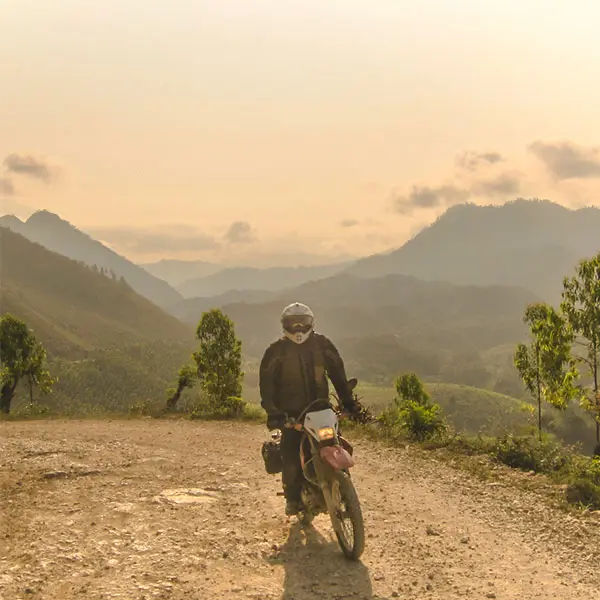
Wet season turns mountain roads treacherous, especially in northern provinces like Ha Giang and Cao Bang where landslides block passes regularly. The famous Ma Pi Leng Pass becomes genuinely dangerous when rain combines with heavy truck traffic. Coastal routes stay more manageable but watch for flooding in low-lying areas near Hue and Hoi An.
Dry season (October to April) offers the best conditions overall, with clear skies and solid road surfaces. However, summer heat in the south makes midday riding exhausting, so many riders split their daily distance into morning and late afternoon sessions. Road maintenance happens year-round, creating unexpected detours.
- Check out best rest areas in northern Vietnam
- The Ho Chi Minh trail motorbike tour from Hanoi to Saigon

Best Motorbike Routes in Northern Vietnam
Northern Vietnam delivers the country’s most dramatic riding, with routes that climb through cloud-wrapped mountains and dive into deep valleys. The terrain here demands more skill and attention than southern highways. You’ll navigate tight switchbacks, encounter water buffalo on narrow roads, and ride past terraced rice fields that cascade down impossible slopes.
Popular loops connect Hanoi to mountain provinces, each offering distinct experiences. Riders typically base themselves in towns like Sapa, Ha Giang, or Cao Bang, using these as jumping-off points for day trips or multi-day circuits. The infrastructure improves every year, but you’re still riding through genuinely remote areas where English isn’t widely spoken and services thin out quickly.
The famous Ha Giang Loop
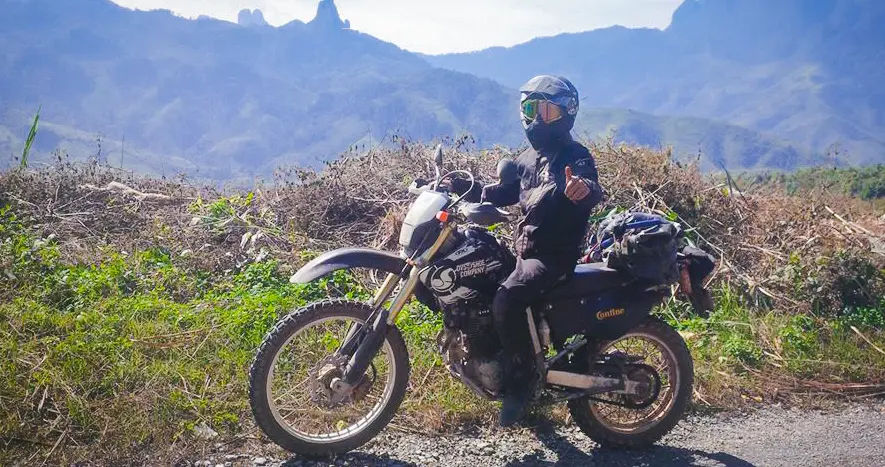
This 300-kilometer circuit ranks as Vietnam’s most famous motorbike route, and for good reason. Starting from Ha Giang town, the loop takes you through Dong Van, Meo Vac, and back via Bao Lac or Bao Lam, typically over four to five days.
The Ma Pi Leng Pass offers heart-stopping views over the Nho Que River canyon, while the route passes through H’mong, Tay, and Dao villages where daily life continues much as it has for generations. Road quality varies wildly, from smooth new pavement to rocky sections that test your suspension. Most riders rent semi-automatic Honda XR150s or manual CRF bikes in Ha Giang town. Accommodation dots the route in small guesthouses, though booking ahead during peak season (October-November) prevents scrambling for rooms.
Ninh Binh Trail
Just 100 kilometers south of Hanoi, Ninh Binh offers spectacular karst scenery without the commitment of longer northern loops. The area’s limestone peaks jut vertically from rice paddies, earning it the nickname “Halong Bay on land.” Popular rides include circuits around Tam Coc, Trang An, and Van Long Nature Reserve, typically done as day trips or over a relaxed two-day visit.
The terrain stays flat and easy, making this ideal for riders still building confidence before tackling mountain passes. Roads wind through small villages where you’ll stop for pho or fresh spring rolls at family-run stalls. Bai Dinh Pagoda and Hoa Lu ancient capital add cultural stops between riding sessions.
Best Motorbike Routes in Southern Vietnam
Southern routes trade mountain drama for coastal beauty and jungle backroads. The riding here feels more relaxed, with wider roads and gentler terrain, though the heat and traffic around cities present their own challenges.
Highway 1A runs the length of the coast, connecting beach towns and cities in a relatively straightforward journey. More interesting options branch off into the Central Highlands around Da Lat and Kon Tum, or follow the historic Ho Chi Minh Trail through remote provinces. The Mekong Delta offers flat, easy riding through fruit orchards and floating markets, though the maze of small roads can get confusing without good navigation. Southern Vietnam suits riders who want variety without constant technical challenges.
Cross-Country Travel Tips
Riding Hanoi to Ho Chi Minh City typically takes two to four weeks depending on your pace and route choice. Most riders average 150-200 kilometers daily, allowing time for stops and rest. Ship your main luggage ahead to your final destination and ride with just a backpack or soft panniers to keep things manageable. Break the journey into sections, spending extra days in places like Phong Nha, Hoi An, or Da Lat rather than pushing through.
Vietnamese SIM cards with data plans cost around $5-10 monthly and prove essential for navigation and booking accommodation. Learn basic Vietnamese phrases for asking directions and ordering food since English knowledge drops dramatically outside tourist areas.
- Check out Solo motorbike travel along the Ha Giang
Difficulty Comparison: North vs South
Northern riding demands more technical skill with steep grades, hairpin turns, and unpredictable road conditions that keep you alert constantly. Traffic thins out once you leave cities, but what you encounter includes overloaded trucks crawling up mountain passes and livestock wandering across roads.
The north rewards experienced riders who enjoy challenging themselves. Southern routes offer easier riding overall, though navigating Ho Chi Minh City’s chaotic traffic might be the hardest thing you do all trip. Highway 1A gets busy with trucks and buses, requiring defensive riding and patience. Central Highlands roads split the difference, providing some elevation and curves without the extreme conditions found up north. New riders often start south and work their way north as skills improve.
Long-Distance Budget Management
A typical riding day costs $30-50 covering fuel, food, and accommodation if you’re staying in local guesthouses and eating street food. Fuel runs about $1 per liter, with most bikes consuming 2-3 liters per 100 kilometers.
Budget guesthouses charge $8-15 nightly, while nicer places with hot water and air conditioning run $20-30. Meals at local restaurants cost $2-4, though tourist areas double or triple these prices. Bike rentals range from $8-15 daily for semi-automatic bikes to $20-30 for manual bikes, with discounts for weekly or monthly rentals. Set aside emergency funds for repairs, unexpected accommodation, or medical needs. Withdrawing larger amounts from ATMs reduces transaction fees, though carrying too much cash creates security concerns.
Bottom line: Motorbike Guides: South to North Vietnam
Vietnam’s north-to-south routes cater to different riding styles and skill levels, but all deliver authentic experiences that stick with you long after the trip ends. Northern mountains challenge your abilities while southern coastal roads let you cruise at your own pace. The best approach? Mix routes based on your comfort level and interests. October through April gives you the most reliable conditions across the country. Budget around $30-50 daily, stay flexible with your schedule, and don’t rush through places that grab your attention. The riding itself matters, but the people you meet and meals you share along the way often become your strongest memories. Check out our North Vietnam motorbike tours
About the author
Based in Hanoi, Hamid guide international riders through Vietnam’s backroads from north to south. My motto: discover unseen Vietnam beyond the typical tourist trails, one ride at a time.