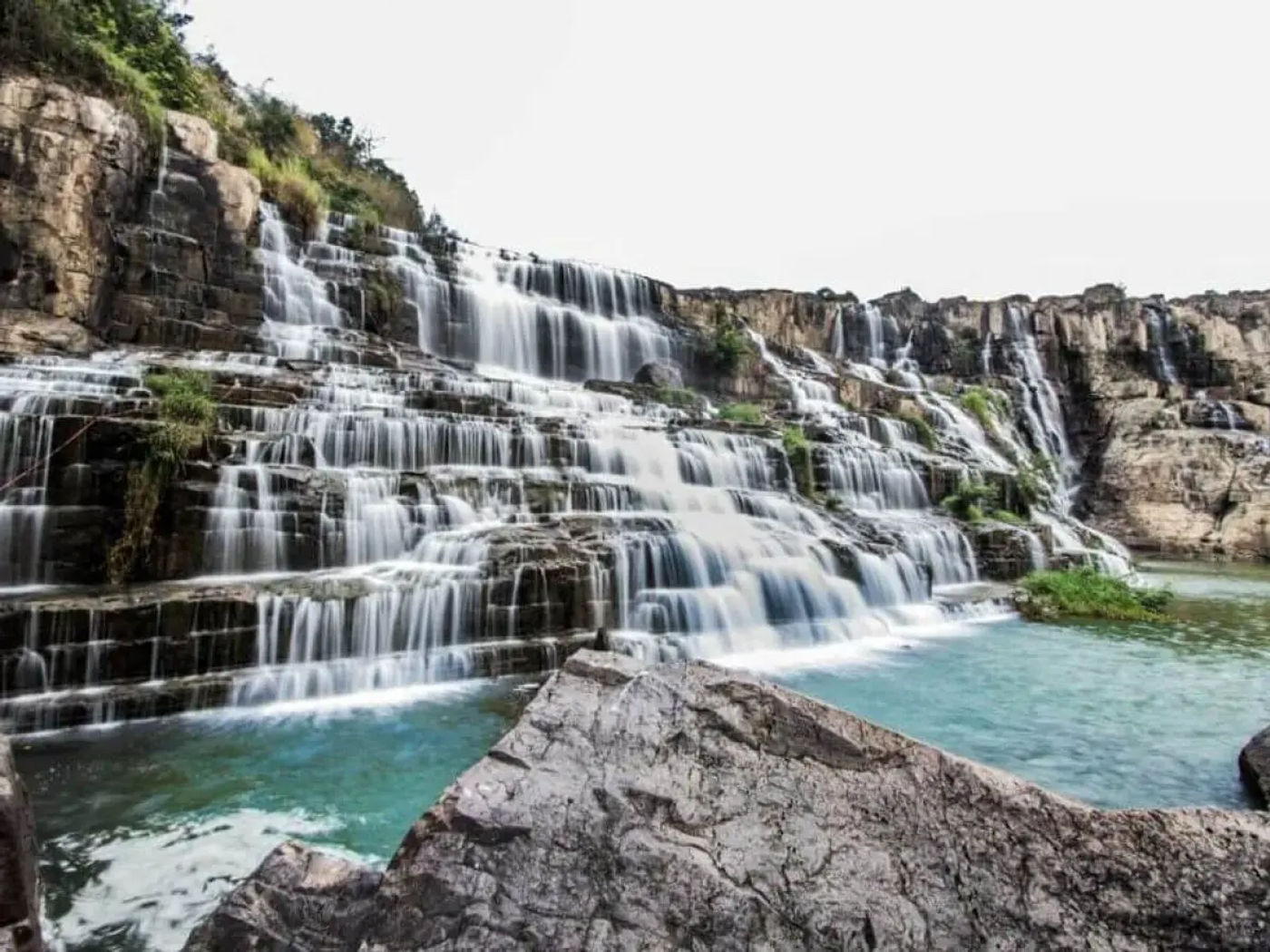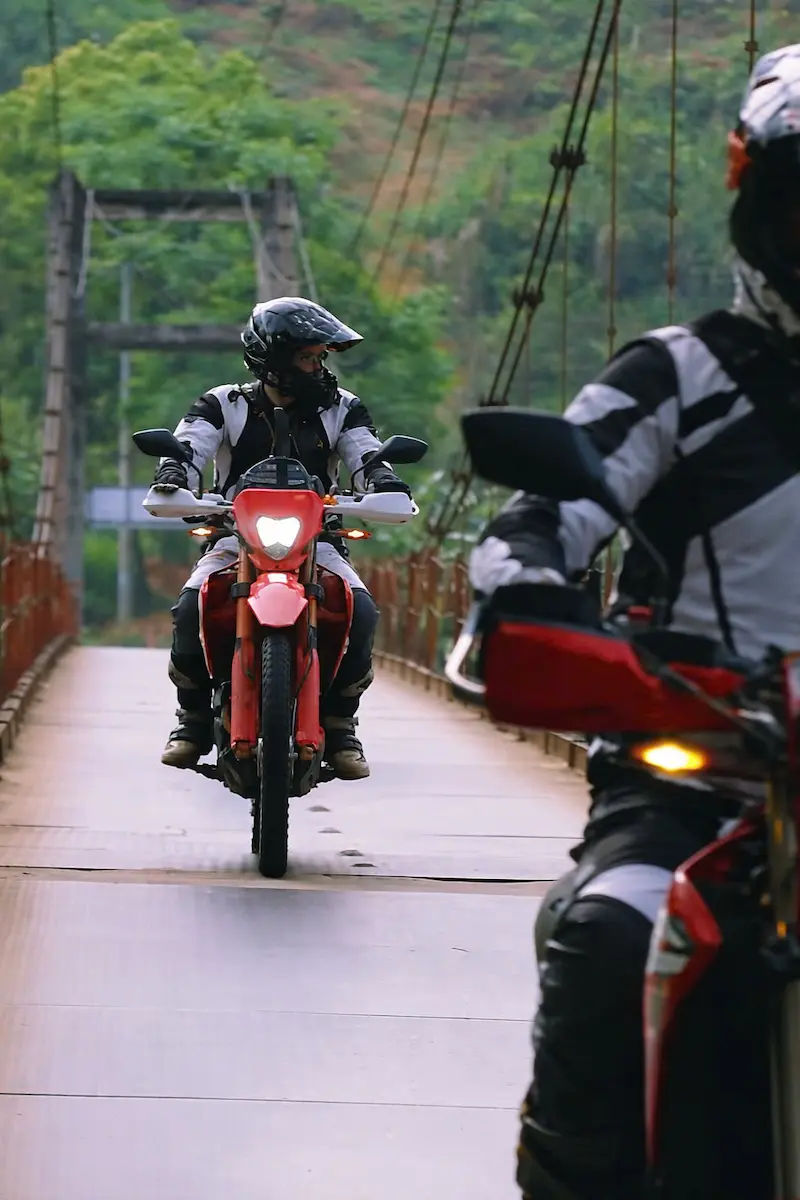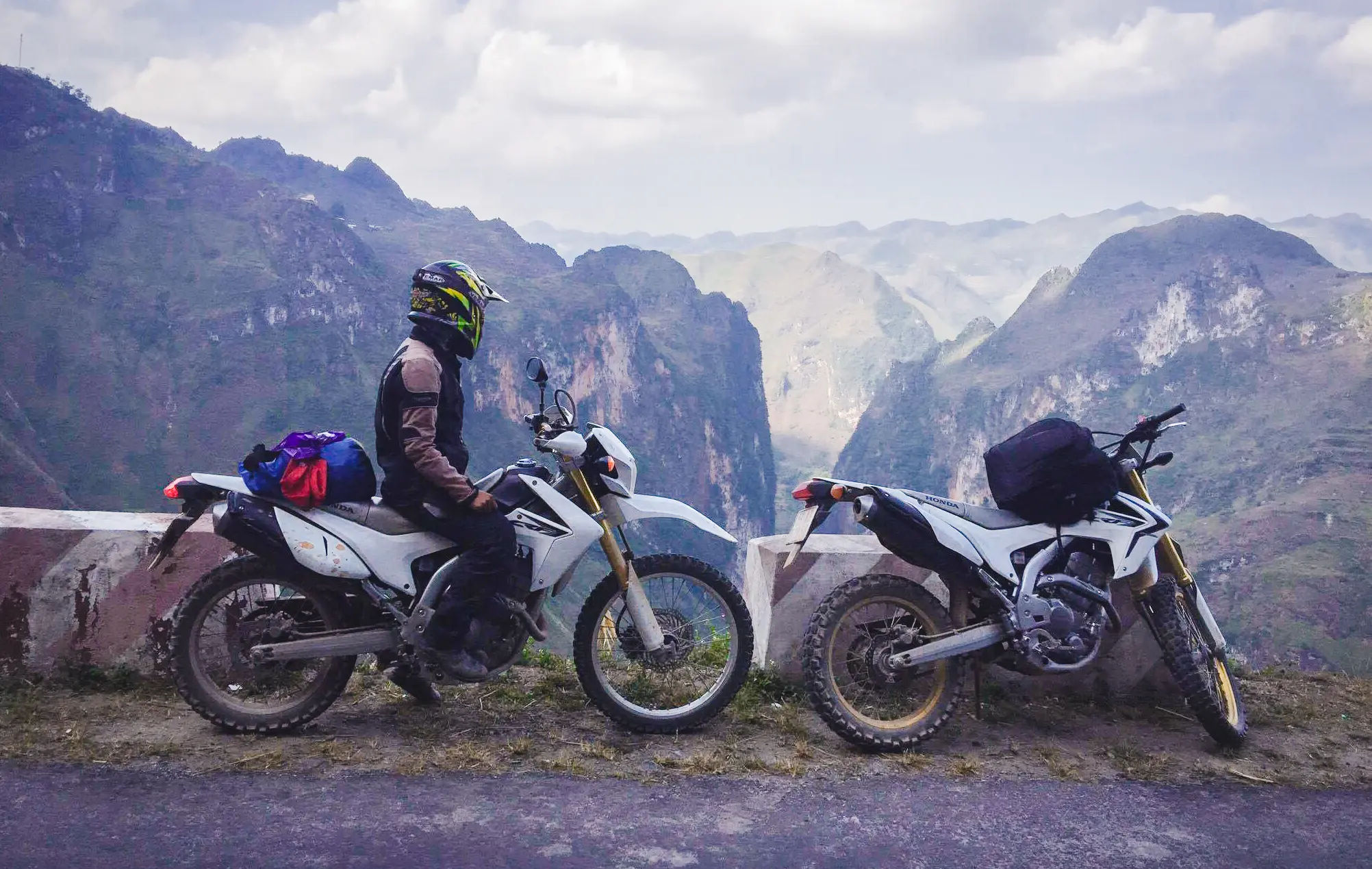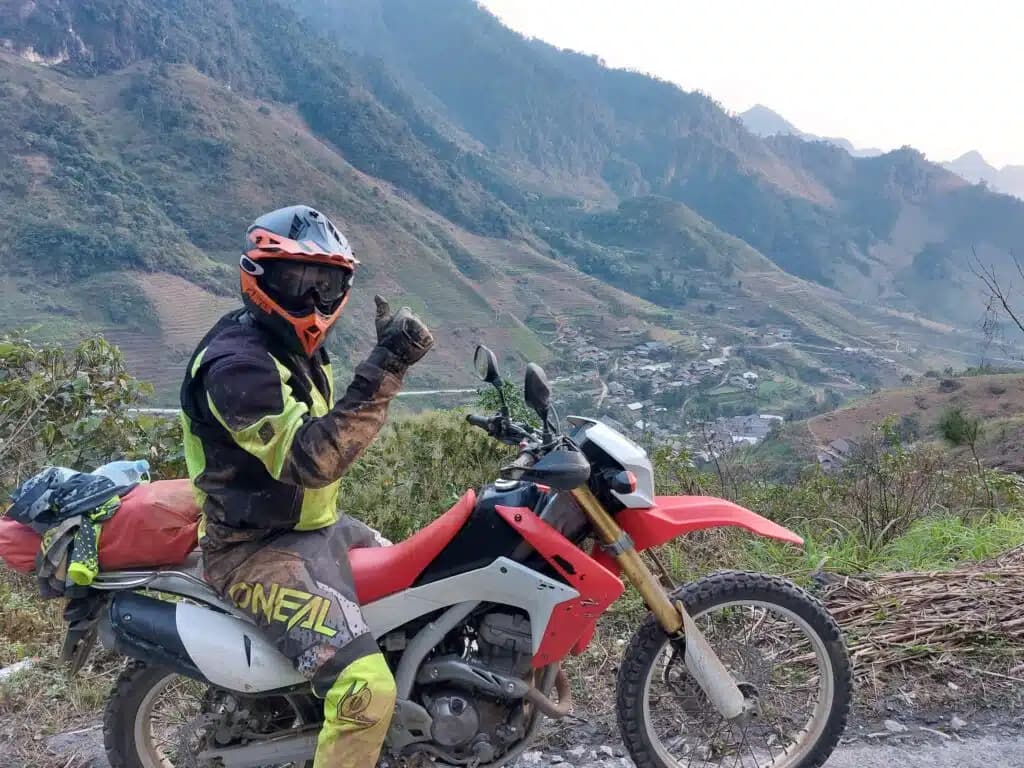
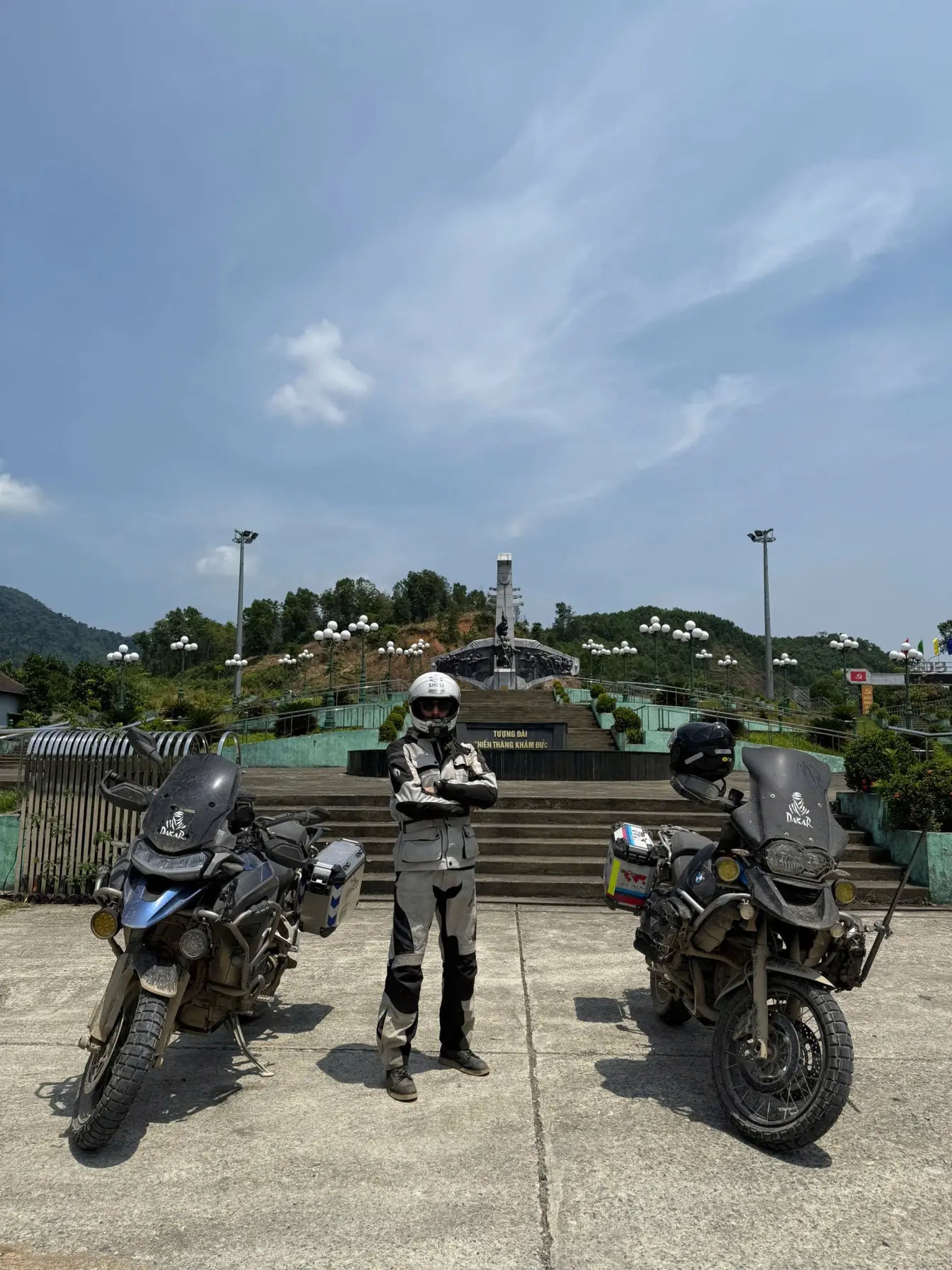
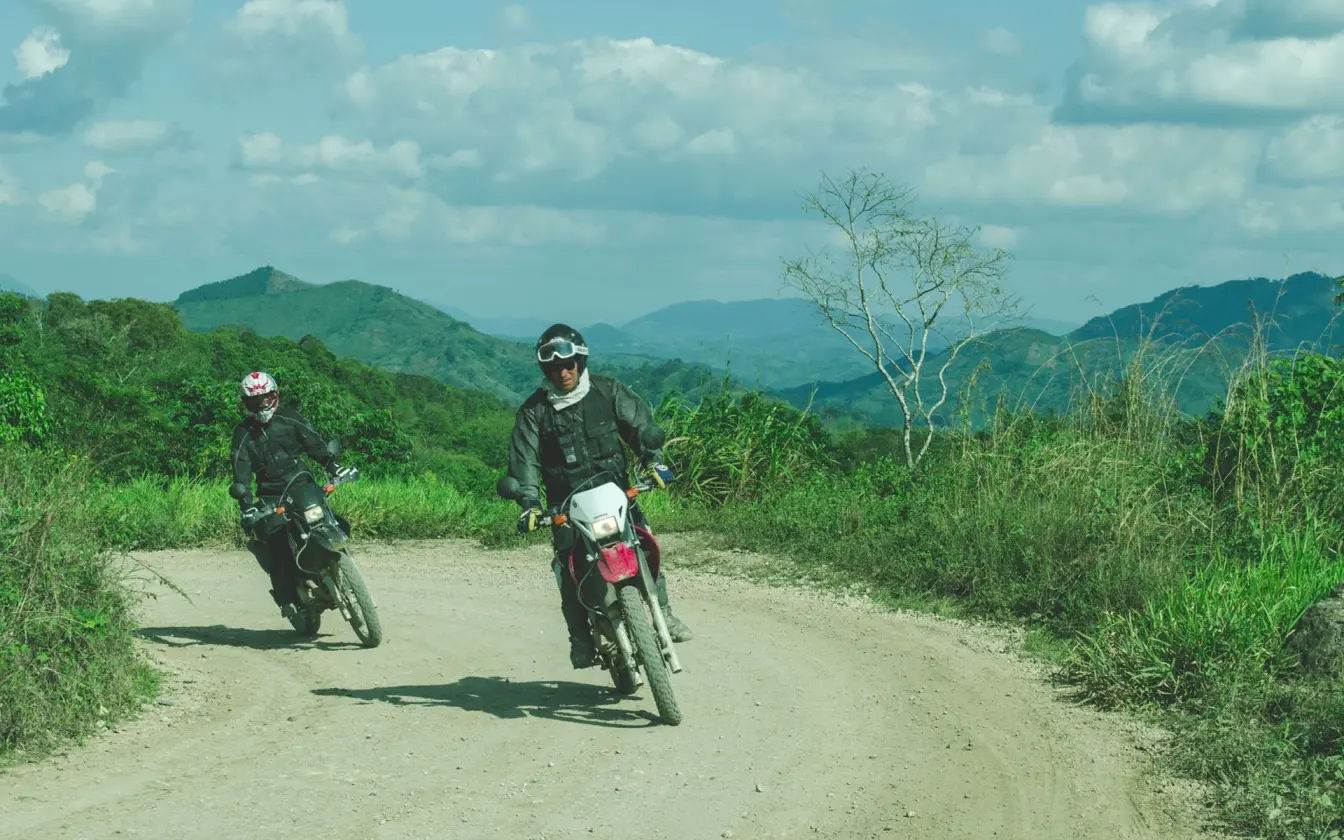
Northern Vietnam is a now to go for adventure seekers wanting to explore rugged mountain roads and hidden valleys. These multi-day off-road tours take you through stunning places like the Ha Giang, Sapa or Cao Bang, where dramatic cliffs meet endless rice terraces along the Chinese border. You can visit remote ethnic villages, swim beneath Ban Gioc Waterfall, and cruise around Ba Be Lake. Tours run from 3 to 15+ days, letting you choose your own pace. Whether you prefer riding a dirt bike, adv motorcycle, or mixing vehicle travel with trekking, there are options for every style. You’ll stay in local homestays, eat authentic food, and discover landscapes that few tourists ever see. It’s raw, real adventure in one of Southeast Asia’s most beautiful regions.
- Check out our amazing North Vietnam motorbike tours
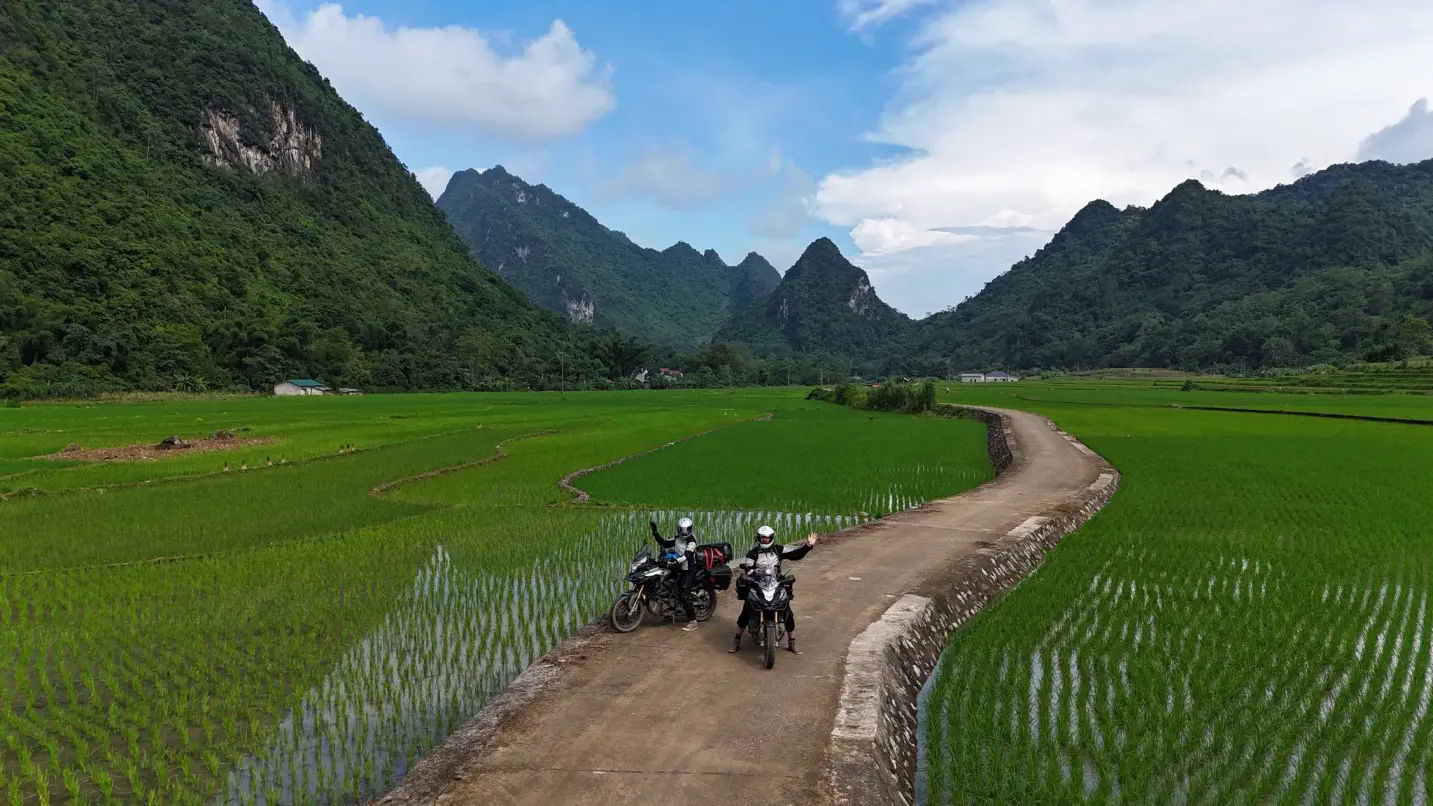


Initial Planning for Multi-Day Tours
Start by figuring out how many days you actually have because Northern Vietnam is massive and rushing through it waste the whole experience. Most riders need at least 5 to 7 days to properly enjoy a loop without feeling exhausted. Check the weather since October to April is dry and clear while May to September brings heavy rain that turns dirt roads into mud pits.
Book your bike tour ahead if traveling during peak season like September or October when Ha Giang gets packed. Don’t overpack because you’ll be carrying everything daily. A small backpack works better than big luggage. Get your permits sorted early, especially for places near the Chinese border like Dong Van. Some areas require a guide or special paperwork. Budget around $150 per day covering bike and fuel, food, and homestays. Having a local guide or joining a small group tour helps tons if it’s your first time navigating these mountain roads and villages.
- Check out best rest stop along the Northern Vietnam motorbike routes
- See lesser-known routes in Northern Vietnam
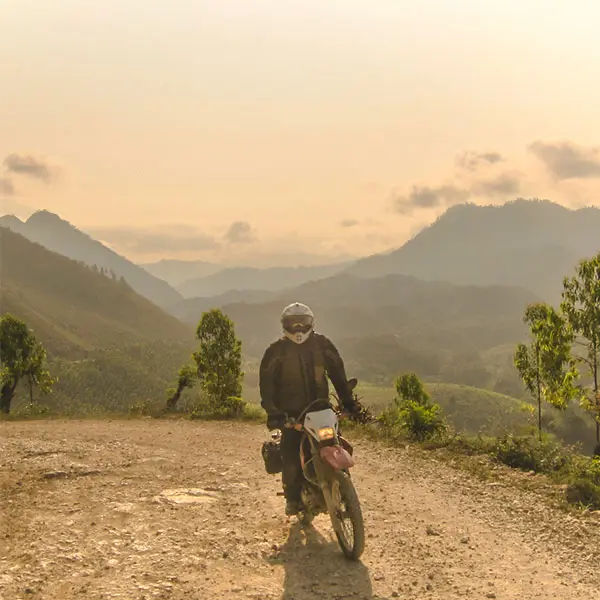
Choosing the Right Route
Pick your route based on what you want to see and your riding skill level because some trails are seriously technical while others are more relaxed. Ha Giang Loop is the most famous option with incredible views but also the most crowded and challenging for beginners.
If you want waterfalls and lakes, the Northeast Loop through Cao Bang and Ba Be is perfect and less touristy. The Northwest Loop covers Sapa and Mu Cang Chai where those famous rice terraces are, plus it connects to Mai Chau and Dien Bien Phu for history buffs. Check road conditions before committing because some routes get sketchy during rainy season. Shorter 3 to 4 day loops work great if time is tight. Longer 10 to 15 day adventures let you combine multiple regions and really dig into remote areas. Talk to other riders or tour operators about current conditions and what matches your experience level.
- Check out: Comparing Ha Giang & Sapa by road difficulties
- See North Vietnam motorbike tour with Ha Giang loop

Time & Stop Management
Don’t try cramming too many kilometers into one day because mountain roads are slow and you’ll want to stop constantly for photos and village visits. Plan for 100 to 150 kilometers max per day, which sounds short but can take 6 to 8 hours with breaks and rough terrain.
Build in buffer time for unexpected rain, road repairs, or mechanical issues that always pop up. Leave early each morning around 7 or 8 AM to maximize daylight since mountain roads get dangerous after dark. Schedule your homestays in advance during peak months or at least call ahead a few hours before arriving. Small villages fill up fast. Take real breaks every 2 hours to rest your body and check your bike. Spending extra time in key spots like Dong Van market or Ban Gioc Waterfall makes the trip way more memorable than racing through everything.
Top Multi-Day Off-Road Routes
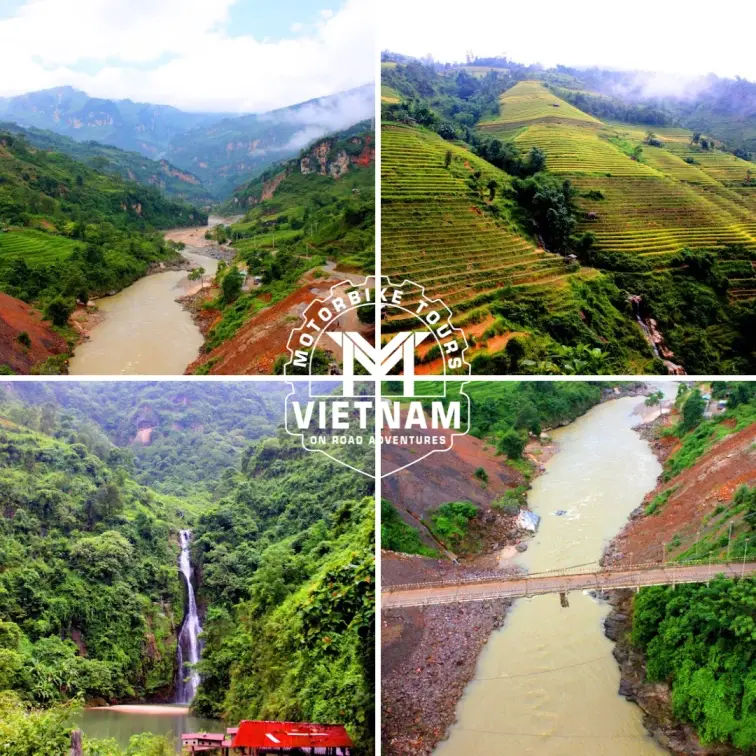
Northern Vietnam has several epic routes that take you deep into the mountains for days at a time. The Ha Giang Loop is the star attraction running along the Chinese border with crazy cliff roads and ethnic villages, usually taking 3 to 5 days depending on your pace. The Northeast Loop covers Cao Bang, Ban Gioc Waterfall, and Ba Be Lake with thick jungle and river scenery, perfect for 4 to 6 days of exploration. The Northwest Loop hits Sapa, Mu Cang Chai’s rice terraces, Mai Chau valley, and stretches all the way to Dien Bien Phu, easily filling 7 to 10 days.
You can also combine routes into massive 12 to 15 day adventures covering multiple provinces. Each route offers different terrain from technical single track to flowing dirt roads. Weather plays a huge role so dry season from October to April gives the best conditions. Pick based on what landscapes excite you most and how much time you can commit to being on the road.
- See 15 day motorbike tour from Hanoi to Ho Chi Minh City
- Check out multi-day adventure routes in Northern Vietnam
Ha Giang 3-Day Loop
The Ha Giang Loop is Vietnam’s most iconic mountain route starting and ending in Ha Giang city. Day one covers Ha Giang to Dong Van via Quan Ba with its famous Heaven Gate viewpoint and Yen Minh district. The roads here mix paved sections with rough patches and the views of the karst mountains are incredible.
Day two goes Dong Van to Meo Vac through the Ma Pi Leng Pass, which is hands down the most dramatic section with sheer cliffs dropping thousands of feet. Stop at the Hmong King’s Palace and Dong Van old quarter for culture and history. Day three loops back through Du Gia and finishes in Ha Giang city.
You’ll pass through Tay, Hmong, and Lo Lo villages where homestays offer simple rooms and home-cooked meals. Roads get technical with tight switchbacks and loose gravel in spots, so some riding experience helps a lot.
Sapa to Lao Cai Trail
This shorter route connects the mountain town of Sapa with Lao Cai near the Chinese border and works great as a day trip or part of a bigger Northwest Loop. The ride is only about 40 kilometers but takes around 2 hours because of winding mountain roads and frequent stops for valley views. You’ll pass through Red Dao and Hmong villages where locals sell handmade crafts along the roadside.
The trail offers stunning views of terraced rice fields especially during harvest season in September and October when everything glows golden. Road conditions are mostly paved with some dirt sections near villages. It’s beginner-friendly compared to Ha Giang’s technical terrain. Many riders combine this with visits to Cat Cat Village or Fansipan Mountain base. You can easily do this route on a semi-automatic bike or even a scooter if weather is dry.
Off-Road Challenges in Northern Vietnam
Northern Vietnam’s mountain roads throw everything at you from loose gravel to stream crossings and sudden weather changes. The terrain varies wildly even within a single day of riding. You’ll hit smooth dirt one minute then navigate through rocky sections or deep ruts the next. Rain can appear out of nowhere turning roads into slippery mud within minutes, especially during monsoon season from May to September.
Altitude changes are constant with climbs up to 2000 meters where temperatures drop fast. Many trails are single lane carved into cliff sides with no guardrails and steep drop-offs that demand full attention. Local traffic includes water buffalo, chickens, and farmers hauling massive loads on small bikes. Landslides happen frequently after heavy rain blocking roads for hours or even days. Fuel stations disappear for 100 kilometers stretches in remote areas so carrying extra petrol is essential. Your bike takes a beating from constant vibration and impacts. Physical fitness matters because 6 to 8 hours of technical riding wears you down fast.
- See Tips for riding a motorbike in Vietnam (Beginners)
- Check out Sapa best motorbike routes for ADV riders
Rocky & Steep Sections
The rockiest parts hit you on mountain passes like Ma Pi Leng and throughout the Dong Van Karst Plateau where limestone creates jagged surfaces. These sections feature loose stones the size of fists mixed with embedded rocks that can catch your tires and throw you off balance. Steep climbs require good throttle control and body positioning to maintain traction, especially on grades hitting 15 to 20 percent. Going downhill on rocks is even trickier because braking becomes unpredictable and front wheel washouts happen easily.
The roads around Lung Cu flag tower and between Meo Vac and Dong Van are notorious for combining steep angles with terrible surface conditions. Your arms and legs will be exhausted from standing on the pegs and absorbing impacts. Lower tire pressure helps with grip but increases puncture risk. Take these sections slowly and don’t be shy about walking difficult spots if needed.
- Check out riding along the rocky trails in Northern Vietnam
- See Off-road motorbike adventure in Ha Giang
Essential Gear for Multi-Day Trips
Packing smart makes a huge difference when you’re living out of a backpack for days. Keep everything in a 40 to 50 liter waterproof bag that straps securely to your bike since regular backpacks kill your shoulders after a few hours. Bring layers because mornings start freezing at 10 degrees then afternoons hit 25 degrees in the valleys.
A good rain jacket is non-negotiable, not those cheap plastic ones that rip apart. Riding boots with ankle support save you from injuries on technical sections and broken toes from rocks. Gloves need to be durable since you’ll be gripping bars for hours through vibration. Pack a basic first aid kit with bandages, pain relievers, and stomach medicine because food can hit different in remote villages. A headlamp helps when you arrive at homestays after dark or need to check your bike. Power bank keeps your phone charged for maps and photos. Sunscreen and lip balm prevent you from looking like a lobster after days in mountain sun.
- Check out Staying in Northern Vietnam villages on a motorbike trip
- See Safety tips for riding in rain & fog in Vietnam

Camping Gear
Most riders skip camping and use homestays since villages appear every 30 to 50 kilometers along popular routes like Ha Giang. But if you’re heading into really remote areas or want total freedom, camping gear becomes necessary. A lightweight two-person tent works better than single person because you need space for your bag and it’s warmer. Sleeping bag rated for 5 degrees handles cold mountain nights around places like Dong Van where temperatures drop hard.
A compact sleeping pad protects you from rocky ground and adds insulation. Portable stove and fuel let you boil water for coffee or instant noodles when villages are far apart. Water filter or purification tablets are critical because stream water isn’t safe to drink straight. Pack a tarp for ground cover or emergency shelter if rain hits. Keep total camping weight under 5 kilograms or your bike handles like garbage on technical sections.
Motorbike Repair Kit
Your bike will break down at some point on these rough trails so carry tools to handle basic fixes. Tire repair kit with patches, glue, and tire levers is absolutely essential because punctures happen constantly on rocky sections. Portable air pump or CO2 cartridges get you moving again after repairs.
Bring spare tubes if you’re running tube tires since patches don’t always hold. Basic tool set should include screwdrivers, Allen keys, pliers, and adjustable wrench for tightening loose bolts that vibrate free. Duct tape and zip ties fix everything from broken luggage racks to cracked fairings temporarily. Extra clutch and brake levers are smart since these snap easily in falls.
Spare spark plug and fuses take up no space but save you when problems hit. Chain lube keeps your drive train running smooth through mud and dust. Local mechanics exist in bigger towns like Dong Van and Yen Minh but their hours are unpredictable and parts availability is hit or miss.

Health & Fatigue Management for Long Trails
Multi-day riding beats up your body in ways you don’t expect until day three when everything hurts. Stay hydrated by drinking at least 2 to 3 liters of water daily because dehydration sneaks up fast at altitude and causes headaches and poor decisions. Eat proper meals even when you’re not hungry since your body burns massive calories fighting the bike through technical terrain for hours.
Take ibuprofen or pain relievers at night to manage muscle soreness so you can actually sleep and recover. Stretch your legs, back, and shoulders every morning and during breaks because tight muscles lead to crashes when you can’t react quickly. Watch for altitude sickness symptoms like dizziness and nausea above 1500 meters, especially if you climbed fast from sea level. Rest days matter on trips longer than 5 days so build in a chill day at Ba Be Lake or a village to let your body recover. Blisters from gripping bars destroy your hands so use good gloves and adjust grip pressure. Listen to your body because pushing through serious fatigue causes accidents on dangerous cliff roads.
- See traffic laws for foreign motorbike riders in Vietnam
- Check out technical tips for motorbike repairs on the road
Conclusion:Multi-Day Off-Road Tours in Northern Vietnam
Northern Vietnam’s multi-day off-road routes deliver raw adventure through some of Southeast Asia’s most stunning landscapes. Whether you tackle the famous Ha Giang Loop, explore the waterfalls around Cao Bang, or ride the rice terraces near Sapa, proper planning makes everything smoother. Pack smart, respect the challenging terrain, and give yourself enough time to actually enjoy the villages and views instead of rushing through. The roads will test your skills and endurance but the experiences with local communities and epic mountain scenery make it all worthwhile. Start with shorter routes if you’re new to off-road riding and build up from there. These trails reward preparation and patience. Check out our most amazing motorbike tours in Vietnam
About the author
Hamid is an adventure rider who has guided riders from America, Britain, and around the world through Northern Vietnam’s best multi-day routes, sharing his passion for off-road exploration and authentic mountain experiences.