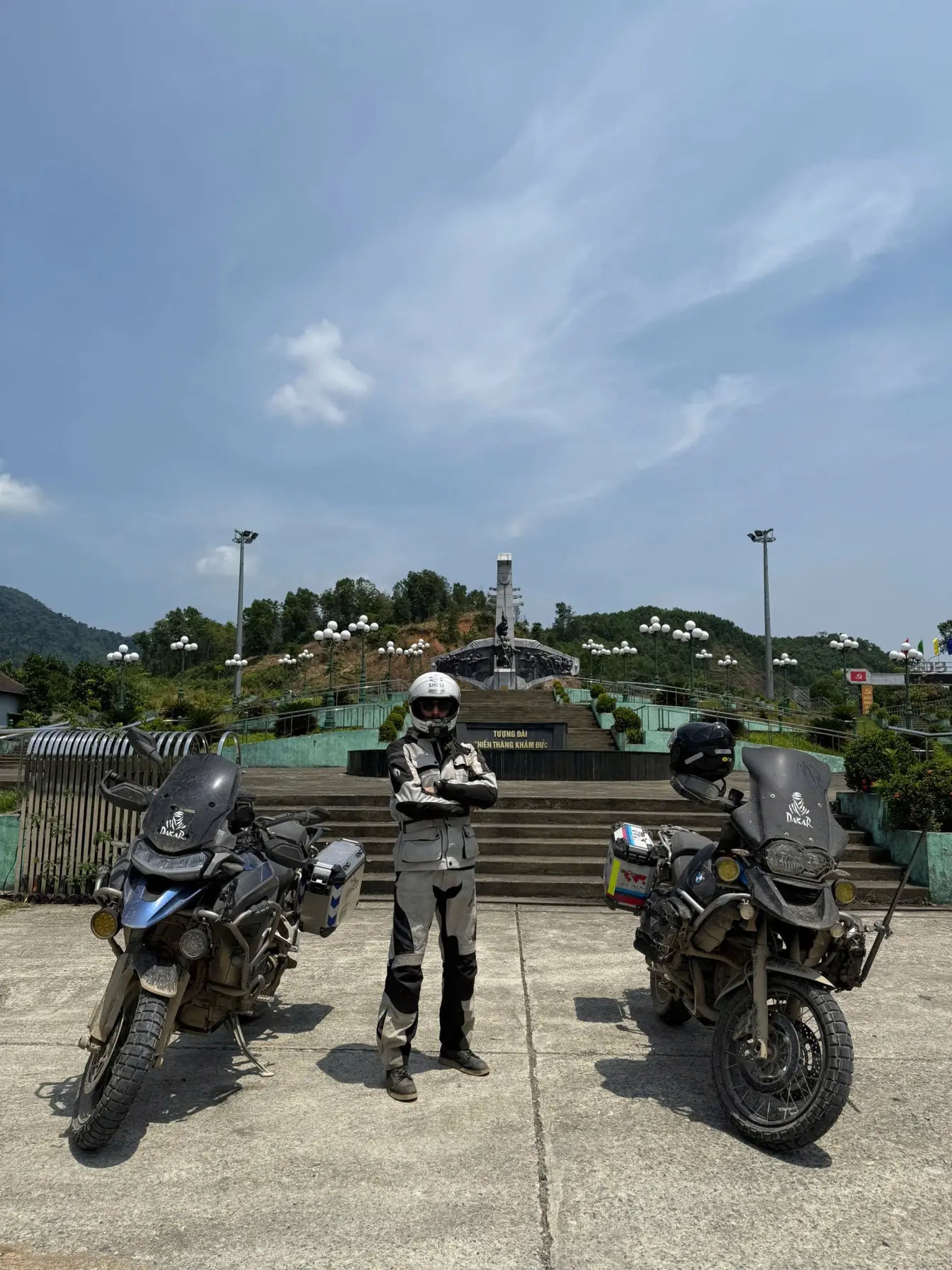
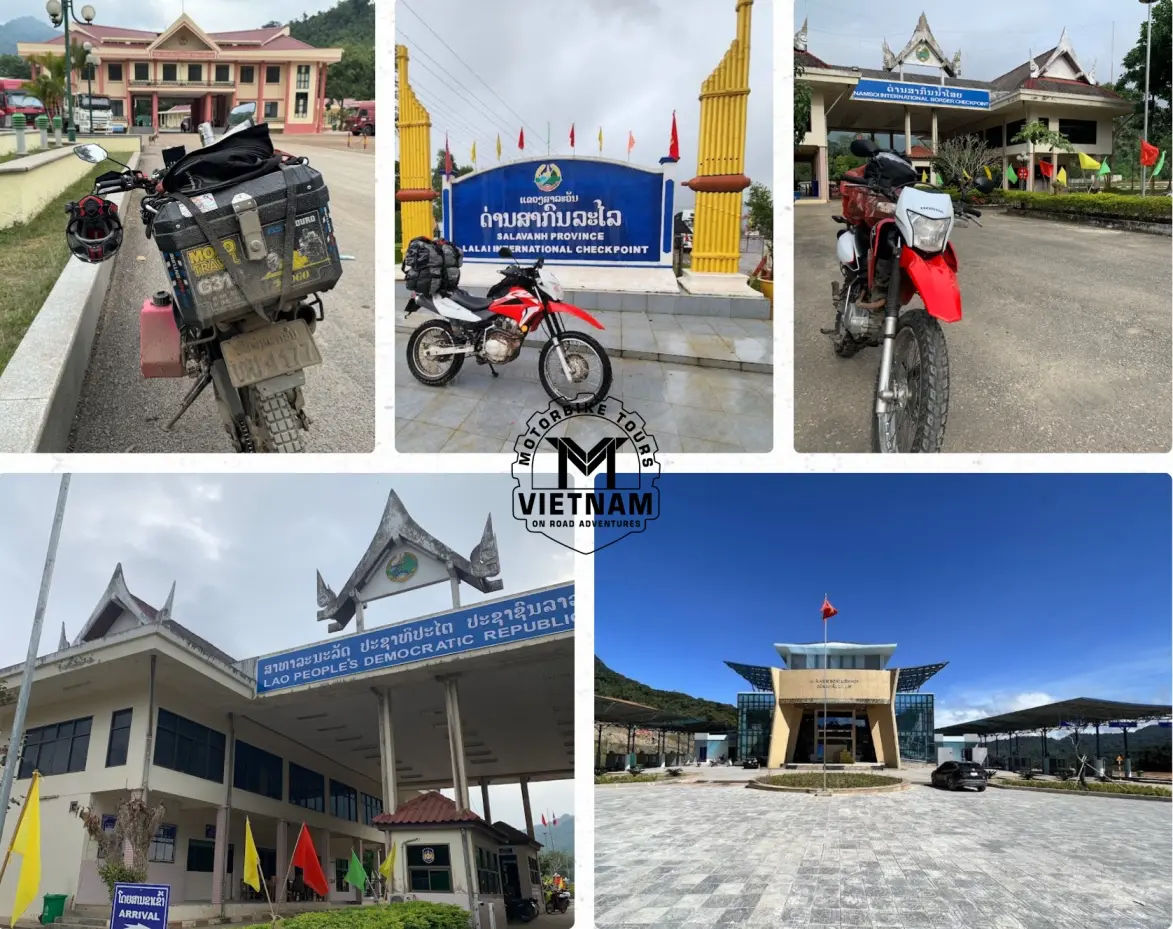
Vietnam maintains 34 international border gates distributed across 4,639 kilometers of terrestrial frontiers shared with China, Laos, and Cambodia. These crossing points serve as critical arteries for motorcycle travelers seeking to extend their Southeast Asian journeys beyond Vietnam’s borders. The northern passages pierce directly into Chinese provinces through mountainous terrain, western corridors penetrate central Laos territory along historic wartime routes, and southern gates provide straightforward access to Cambodia’s temple regions and coastal provinces. Each frontier presents distinct documentation requirements, processing procedures, and road conditions that demand careful preparation. Vietnamese-registered motorcycles can traverse most gates with proper paperwork, though Chinese crossings require advance permits through licensed agencies while Laos and Cambodia borders maintain more flexible protocols for two-wheeled travelers.
- Check out Vietnam best motorbike tours
| Border Region | Major Gates | Motorbike Access | Visa & Permit Notes | Best For Riders |
|---|---|---|---|---|
| Vietnam – China | Lao Cai, Huu Nghi, Mong Cai, Dong Dang | Allowed with pre-arranged permits only | Chinese vehicle permit required in advance IDP mandatory No spontaneous crossings |
Experienced riders heading to Yunnan or Guangxi |
| Vietnam – Laos | Lao Bao, Na Meo, Nam Can, Tay Trang, Bo Y, Cha Lo | Generally accepted for Vietnamese-plated bikes | Laos visa must be obtained in advance (most gates) Temporary bike import issued at border Border permit may be required |
Ho Chi Minh Trail, remote mountains, adventure routes |
| Vietnam – Cambodia | Moc Bai, Xa Mat, Tinh Bien, Le Thanh, Vinh Xuong | Easiest crossings for motorcycles | Cambodia visa on arrival or e-visa Vietnam e-visa required unless exempt Insurance available at border |
First-time riders & Phnom Penh routes |
| General Tips | All international gates | Arrive 8:00–15:00 for smooth processing | Carry originals + photocopies Cash in USD & local currency Photograph all stamped documents |
Avoid peak hours & holiday congestion |
Understanding Vietnam’s Border Gates
The country’s international checkpoints fall into three distinct categories based on neighboring nations and regional characteristics. Northern gates connecting with China operate under strict permit requirements and extended processing times due to heightened customs scrutiny.
Western passages into Laos range from busy commercial crossings to remote mountain gates handling minimal daily traffic. Southern checkpoints entering Cambodia process the highest motorcycle volumes with the most straightforward procedures. Operating hours typically span 7am to 5pm with midday lunch closures at smaller gates, though major crossings extend to 8pm.
Immigration and customs occupy separate stations at each gate, requiring riders to present documentation at multiple checkpoints before receiving exit stamps and temporary vehicle import permits. Processing durations vary dramatically from 30 minutes at quiet borders to three hours during peak holiday periods when commercial trucks congest the lanes.
Essential Documentation for Border Crossings
Motorcycle travelers must assemble comprehensive paperwork well before approaching any international gate. Your passport requires minimum six months validity with blank pages for entry stamps, while visa requirements vary by destination country and your nationality. Vietnamese e-visas serve most travelers entering Vietnam, obtained online 3-5 days before arrival at approved border gates.
Original vehicle registration proving ownership accompanies photocopies distributed to multiple officials during processing. International Driving Permits remain mandatory for Chinese crossings and recommended for all borders despite inconsistent enforcement.
Insurance coverage for the destination country can sometimes be purchased at the gate itself, typically costing $10-15 for thirty-day policies. Border permits issued by Vietnam’s Ministry of Transportation may be required when exiting with Vietnamese-plated motorcycles, particularly for Laos crossings where enforcement has tightened recently. Carry US dollars in small denominations alongside local currency for both countries, as administrative fees and informal payments arise unpredictably throughout the crossing process.
2026’s Most Popular Border Checkpoints From / To Vietnam
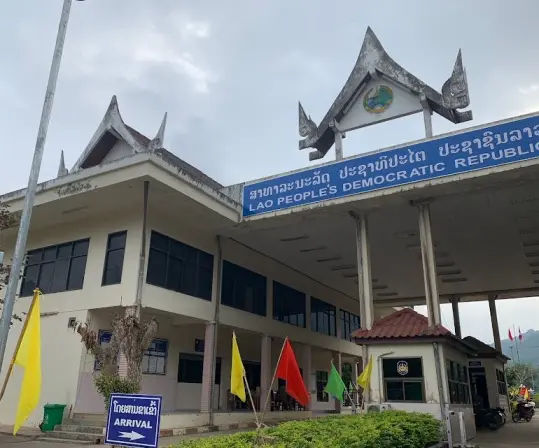
Moc Bai processes the highest motorcycle volume connecting Ho Chi Minh City to Phnom Penh on Cambodia’s side in just under six hours, establishing it as the default route for most riders. Lao Cai attracts adventure riders heading into Yunnan’s mountain roads, though Chinese permit requirements constrain spontaneous crossings.
Lao Bao processes steady traffic between central Vietnam and Savannakhet, serving as the most direct link to Thailand via Laos. Huu Nghi near Lang Son manages commercial freight but also accommodates tourist motorcycles with proper documentation. Tinh Bien offers a relaxed alternative to Moc Bai with shorter queues and more approachable staff. Nam Can attracts riders pursuing the remote Ho Chi Minh Trail experience into southern Laos.
Xa Mat serves those heading toward Kampong Cham province. Bo Y remains popular for its dramatic mountain scenery despite challenging approach roads. Cau Treo connects to Laos Route 8 toward Thakhek. Tay Trang provides access to Dien Bien Phu crossings into northwestern Laos, while Móng Cái handles coastal traffic into Guangxi province with established motorbike crossing protocols.
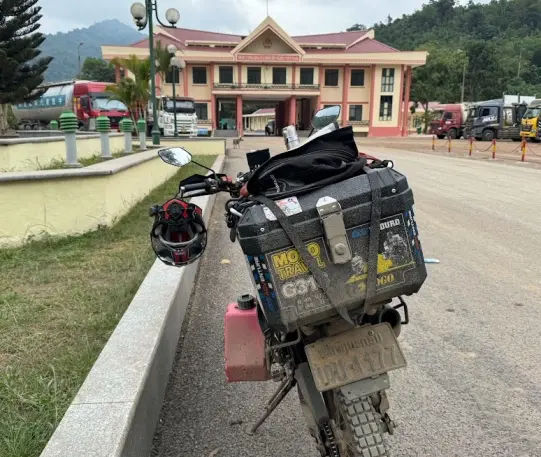
Vietnam-China Border Gates
Lao Cai Border Checkpoint
Located 340 kilometers northwest of Hanoi where the Red River divides two nations, Lao Cai processes the highest volume of tourist motorcycles entering Yunnan province through the Hekou crossing on China’s side. The steel bridge spanning the river remains visible from Vietnamese immigration buildings where processing begins each morning at 7am, though arriving before 10am circumvents afternoon tour bus crowds that create extended delays in processing lanes.
Chinese vehicle permits must be secured minimum five days beforehand through registered agencies in Hanoi or Sa Pa, typically costing $200-300 for complete documentation including temporary import authorization. Vietnamese officials verify insurance coverage and conduct thorough motorcycle inspections comparing frame numbers against registration documents before issuing exit stamps.
The surrounding town offers English-speaking fixers who navigate paperwork complications for standard fees around 500,000 VND, while nearby mechanics provide last-minute repairs before the demanding Yunnan mountain passes ahead.
Móng Cái Coastal Gateway
Positioned in Quang Ninh province where Vietnam meets Guangxi at the Gulf of Tonkin, Móng Cái checkpoint processes significant cross-border shopping traffic alongside vehicle crossings into Dongxing city’s bustling commercial zone. Motorcycle riders benefit from separate tourist lanes that reduce processing times compared to Lao Cai during peak seasons, though identical Chinese permits remain mandatory as at other northern gates.
The coastal route access makes this crossing popular for travelers combining Ha Long Bay tours with southern China exploration, following well-maintained highways that take four hours from coastal starting points.
Operating hours run 8am to 5pm Vietnamese time with currency exchange booths offering competitive rates for Chinese yuan. Immigration procedures here prove slightly faster than inland crossings due to established tourist infrastructure, though customs officers maintain thorough inspections of electronics and camping gear typical of all Chinese border stations.
Hữu Nghị Friendship Gate
Standing 18 kilometers from Lang Son city, Friendship Gate represents Vietnam’s oldest formalized crossing into China, established during French colonial administration when frontier regulation first began. This historic checkpoint prioritizes freight trucks but accommodates motorcycles through designated processing lanes separating two-wheeled traffic from commercial vehicles.
The crossing leads directly to Pingxiang with Nanning accessible within three hours on Chinese expressways. Expect thoroughly detailed inspections as customs officers scrutinize for undeclared goods given the gate’s commercial focus and documented history of smuggling attempts. Vietnamese operations open 7am to 10pm offering flexibility for riders facing unexpected delays, with basic restaurants and rest areas available though English signage remains limited.
The parallel railway crossing handles significant cargo traffic creating constant activity. Riders consistently report more bureaucratic procedures here compared to Lao Cai, with officials strictly enforcing documentation requirements through multiple verification checkpoints before final exit stamps.
Đồng Đăng Supplementary Crossing
Situated just five kilometers from Hữu Nghị, Đồng Đăng operates as a supplementary checkpoint sharing the same Chinese terminus at Pingxiang, primarily handling overflow traffic when Friendship Gate reaches capacity during holidays or trade fairs. Motorcycle processing follows identical protocols requiring full Chinese vehicle permits and insurance documentation, though the advantage lies in substantially shorter queues particularly midweek when commercial trucks concentrate at the larger neighboring gate.
Operating hours mirror Hữu Nghị at 7am to 10pm with the approach road from Lang Son taking 20 minutes through flat agricultural terrain. Limited facilities mean riders should carry adequate food and water supplies, though local guides at Lang Son hotels can direct travelers to whichever gate shows lighter traffic on crossing day based on real-time border conditions reported by earlier crossers.
Vietnam-Laos Border Gates
Tây Trang Northern Mountain Pass
Positioned in Lai Châu province near Điện Biên Phủ, Tây Trang connects to Laos Route 4 heading toward Muang Khua and eventually Luang Prabang through remote northern mountain territory. This isolated crossing attracts experienced riders seeking authentic northern Laos routes with minimal tourist traffic and traditional ethnic minority villages lining both approaches.
The Vietnamese side follows winding roads climbing through terraced rice paddies and hilltop settlements where Hmong and Thai communities maintain traditional lifestyles. Operating hours run 7am to 5pm with mandatory lunch closure 11:30am to 1:30pm when all processing halts completely.
Basic facilities include one small restaurant and limited English communication, while Laos visa on arrival is not available requiring advance application at embassies. The crossing processes fewer than twenty motorcycles daily meaning paperwork moves quickly, though officials maintain strict verification of all documentation. Fuel stations prove scarce with the next reliable petrol available 40 kilometers inside Laos territory.
Na Mèo: Closest to Hanoi, best for visa run
Positioned in Thanh Hóa province approximately 280 kilometers from Hanoi, Na Mèo serves riders conducting regular visa runs or seeking alternative northern routes into Sam Neua in Houaphanh province without traveling to more distant gates. The crossing handles light motorcycle traffic making it ideal for avoiding busier checkpoints, with Vietnamese approach roads running through agricultural valleys past tobacco fields and cassava plantations.
Operating 7am to 11:30am and 1pm to 5pm, this gate maintains extended lunch breaks that riders must factor into crossing schedules. The Laos side leads to reasonably maintained paved roads toward Sam Neua with immigration processing averaging 45 minutes as officials from both countries work from adjacent buildings. Accommodation options exist in the nearby Vietnamese border town with basic guesthouses, while mechanics operate on the Vietnamese side only.
This crossing particularly suits riders planning multi-day explorations of remote northeastern Laos without strict time constraints or demanding immediate border passage.
Nam Cán Historic Trail Route
Nam Cán in Nghệ An province creates mid-country access between Vinh and Sam Neua, providing approximately 260 kilometers distance from Hanoi along routes following historic Ho Chi Minh Trail corridors. This crossing handles moderate motorcycle traffic from riders tracing wartime supply routes where visible bomb craters and abandoned military installations still dot the surrounding landscape.
The Vietnamese approach covers 120 kilometers from Vinh city on continuously improving asphalt roads through forested highlands. Operating hours span 7am to 5pm with typical lunch slowdowns causing midday processing delays, though crossings generally complete within one hour during normal periods.
Laos insurance becomes available at the crossing for standard rates, while the gate sits at lower elevation than northern mountain passes making it accessible year-round unlike higher crossings that close during heavy monsoon rains. Basic guesthouses operate within five kilometers on both sides. However, Laos visa on arrival is not processed at this border requiring advance application at Hanoi embassy.
- Check out Off-road motorbike adventure in Ha Giang mountains
- See essentials on the western Ho Chi Minh Road
- Comparing Street vs Off-road motorcycle
Lao Bảo Primary Western Corridor
Vietnam’s busiest Laos crossing occupies Highway 9 connecting Đông Hà to Savannakhét in under three hours, establishing it as the default route for riders ultimately heading to Thailand via the Friendship Bridge. This major checkpoint processes hundreds of motorcycles weekly with operations running 7am to 7pm and extended hours during peak travel seasons.
Multiple processing lanes separate motorcycles from commercial trucks keeping standard wait times under 45 minutes even during moderate traffic periods. Both sides maintain currency exchange services, restaurants serving Vietnamese and Lao cuisine, and motorcycle repair shops handling common mechanical issues.
English-speaking fixers assist with paperwork complications for small standard fees around 200,000 VND (USD 8). Laos insurance costs approximately 120,000 kip for thirty-day coverage, while the crossing efficiently handles all visa types including e-visas without the complications reported at smaller gates. Once crossing into Vietnam from Laos, the initial 30 kilometers present single-track mountain passes with 10-30% gradients requiring cautious riding.
- Check out Riding along the rivers & waterfalls of Vietnam
- Ride along the Ho Chi Minh Road in Vietnam
La Lay Southern Alternative
Positioned in Quảng Trị province south of Lao Bảo, La Lay offers perhaps the easiest crossing for Vietnamese-plated motorcycles entering Sepon district of Savannakhét province. This checkpoint handles significantly reduced traffic volumes appealing to riders seeking quieter passages without Lao Bảo’s commercial congestion and bustling atmosphere. Operating 7am to 5pm with standard lunch breaks, the Vietnamese approach follows Route 9 before branching south through increasingly dense forested terrain.
Processing averages just 30 minutes given the consistently low volume, though immigration officials maintain strict documentation verification despite the relaxed overall atmosphere. The Laos side connects to rural roads requiring solid navigation skills as signage proves sparse and road conditions deteriorate rapidly during rainy periods. This crossing particularly suits experienced riders comfortable with remote conditions and prepared for limited services.
The nearest Vietnamese town offering comprehensive services sits 25 kilometers east, providing final opportunities for fuel, food supplies, and mechanical attention.
Cha Lo Central Access Point
Located in Quảng Bình province, Cha Lo connects to Laos Route 12 heading toward Thakhek and eventually Pakse in southern Laos territory. This mid-level crossing attracts riders exploring central Laos without using overcrowded Lao Bảo, with solo travelers consistently reporting hassle-free experiences crossing with Vietnamese motorcycles.
Operating 7am to 6pm daily, the Vietnamese approach runs 70 kilometers west from Đồng Hới through Phong Nha-Kẻ Bàng National Park area where limestone karsts create dramatic scenery. Processing typically requires 45 minutes to one hour with standard documentation checks, though Laos visa on arrival remains unavailable necessitating advance embassy applications.
The crossing sits near historic Ho Chi Minh Trail sections drawing history enthusiasts interested in Vietnam War supply routes. Basic facilities include small family-run restaurants and simple restrooms, while the Laos-side road offers decent pavement for approximately 50 kilometers before conditions deteriorate significantly approaching Thakhek.
- Check out One day loops in northern Vietnam for motorbike riders
- See 9 day Southern Laos motorcycle adventure
Bờ Y Highland Adventure Route
Vietnam’s most dramatic Laos crossing occupies Kon Tum province at 1,100 meters elevation, connecting to Attapeu province through spectacular Central Highlands scenery characterized by pristine jungle and minority villages. This extremely remote gate exclusively serves adventurous riders as approach roads absolutely require dirt bike capabilities and off-road riding experience.
Operating 7am to 5pm when weather permits with closures during heavy rains, the Vietnamese side follows 80 kilometers of winding mountain roads from Kon Tum city including sections that wash out completely during monsoon seasons. Processing moves remarkably quickly given minimal traffic, typically completing within 30 minutes for properly documented motorcycles.
The Laos side descends through virgin jungle on rough tracks demanding genuine off-road skills, with no services existing for 60 kilometers inside Laos territory. This crossing exclusively suits properly equipped riders carrying mechanical tools, camping gear, and emergency supplies. The route provides access to the remote Bolaven Plateau regions, with Bờ Y uniquely offering Laos visa on arrival unlike other Vietnamese-Laos gates.
- Check out: Comparing Ha Giang & Cao Bang loop for motorbike riders
- See the lesser-known routes along the Ha Giang loop
Vietnam-Cambodia Border Gates
Mộc Bài Primary Southern Gateway
Positioned just 70 kilometers northwest of Ho Chi Minh City on Highway 22, Mộc Bài handles Vietnam’s highest Cambodia-bound motorcycle crossing traffic by substantial margins. This major checkpoint processes direct routes to Phnom Penh in under five hours on excellent pavement throughout the entire journey. Operating 7am to 8pm daily with extended hours during holiday periods, multiple processing lanes maintain wait times under one hour even during peak traffic.
Currency exchange booths, substantial restaurants, and motorcycle repair shops line both sides creating comprehensive border town infrastructure. English-speaking fixers assist with paperwork for standardized 100,000 VND fees, while Cambodia charges $30 visa on arrival plus variable express processing fees that riders can negotiate. However, travelers entering Vietnam must arrange e-visas beforehand unless their nationality qualifies for visa exemption.
Cambodian e-visas process fastest without additional informal costs. The crossing serves as the default choice for first-time international riders given straightforward procedures and highly developed infrastructure. Bavet town immediately across offers hotels, ATMs, and fuel stations before continuing toward Cambodia’s capital.
Xa Mát Quieter Alternative
Located approximately 100 kilometers from Ho Chi Minh City in Tây Ninh province, Xa Mát provides a notably relaxed alternative to perpetually crowded Mộc Bài while connecting to Kampong Cham province via Memot on Cambodia’s Highway 7. Operating 7am to 6pm with typical lunch slowdowns, processing averages 30-45 minutes given substantially lighter traffic volumes throughout most days.
Staff consistently maintain friendlier attitudes compared to busier commercial gates, with considerably less pressure for informal payments or express processing fees. Cambodia visa on arrival costs the standard $30 with fewer additional charges than Mộc Bài. The approach from Saigon follows Route 22 before branching north through agricultural areas dominated by rubber plantations and rice paddies.
Cambodian side roads offer decent pavement quality toward Kampong Cham and Kratie provinces for riders continuing toward northeastern Cambodia or Laos borders. Limited facilities mean bringing adequate snacks though basic Vietnamese and Cambodian restaurants operate near the gate. This checkpoint suits riders specifically avoiding Mộc Bài’s commercial atmosphere while accessing northeastern Cambodia regions.
- Check out Most scenic motorbike roads in Vietnam
- Tips on choosing the best motorbike to ride the Ha Giang loop
Tịnh Biên Mekong Delta Route
Positioned roughly 240 kilometers southwest of Ho Chi Minh City in An Giang province, Tịnh Biên connects Châu Đốc to Cambodia’s Takeo province near Phnom Den mountain’s distinctive limestone outcrop. This crossing handles moderate motorcycle traffic with notably efficient processing compared to larger commercial gates.
Operating 7am to 6pm daily, immigration procedures average 40 minutes with standard documentation requirements and minimal complications. Staff process e-visas smoothly without the issues commonly reported at busier checkpoints during peak seasons. The approach follows Mekong Delta flatlands through endless rice paddies, traditional fish farms, and canal networks reflecting the region’s aquatic character. The Cambodian side leads to Takeo city within 30 kilometers on well-maintained paved roads suitable for standard motorcycles without off-road capabilities.
Currency exchange services function though rates favor bringing US dollars from Vietnam. Basic facilities include traditional noodle shops and simple restrooms, while this gate appeals to riders exploring southern Cambodia or combining crossings with Châu Đốc’s famous floating markets. Nearest quality accommodation sits back in Châu Đốc town, positioned 15 kilometers from the actual border checkpoint.
Vĩnh Xương River Crossing
Standing 230 kilometers from Ho Chi Minh City in An Giang province, Vĩnh Xương operates as Vietnam’s only water-based crossing into Cambodia where motorcycles board vehicle ferries traversing the Mekong River to reach Kaam Samnor on the Cambodian bank. Operating 7am to 5pm depending on water levels and weather conditions affecting river navigation, the ferry costs approximately 100,000 VND per motorcycle including rider passage.
Processing occurs at departure and arrival terminals with typical documentation checks conducted at both riverside immigration offices. Crossing this border requires obtaining a border permit in advance, unlike most other Cambodia gates. Cambodia visa on arrival remains available at the riverside immigration facility. Total crossing duration including ferry boarding wait and actual river transit runs 60-90 minutes under normal conditions.
The approach from Châu Đốc follows scenic riverside roads winding through traditional Mekong Delta communities where stilt houses and floating fish farms create distinctive landscapes. The Cambodian side connects directly to Route 1 heading toward Phnom Penh. This unique crossing particularly attracts riders seeking authentic Mekong Delta experiences beyond standard road borders.
Lệ Thanh Highland Gateway
Sitting 450 kilometers northeast of Ho Chi Minh City in Gia Lai province, Lệ Thanh connects Vietnam’s Central Highlands to Cambodia’s Ratanakiri province through mountainous terrain characterized by coffee plantations and minority villages. This remote crossing appeals exclusively to adventurous riders seeking off-beaten paths into northeastern Cambodia’s jungle regions.
Operating 7am to 5pm with lunch breaks causing predictable midday delays, the approach from Pleiku covers 90 kilometers of winding mountain roads climbing through extensive coffee estates and traditional village settlements. Processing moves quickly given minimal daily traffic, averaging 30 minutes for properly prepared standard documentation.
Cambodia visa on arrival costs $30 plus typical administrative fees that riders colloquially term coffee money. The Cambodian side leads immediately to rough roads absolutely requiring capable adventure bikes particularly during rainy season when conditions deteriorate dramatically. Limited facilities necessitate carrying adequate fuel and food supplies as services prove extremely scarce. Nearest reliable accommodation sits back in Pleiku city. This crossing exclusively suits experienced riders planning routes toward Banlung and potentially onward connections to southern Laos.
Vinh Xuong Border Gate (by boat)
Standing 230 kilometers from Ho Chi Minh City in An Giang province, Vinh Xuong (also known as Sông Tiền)operates as Vietnam’s only water crossing into Cambodia. Riders board vehicle ferries crossing the Mekong River to reach Kaam Samnor on the Cambodian bank.
Operating 7am to 5pm depending on water levels and weather conditions. The ferry costs roughly 100,000 VND per motorcycle including rider. Processing happens at departure and arrival terminals with typical documentation checks. To cross this border, you’ll required a border permit.
Cambodia visa on arrival available at riverside immigration office. Total crossing time including ferry wait and river transit runs 60-90 minutes. The approach from Chau Doc follows riverside roads through traditional Mekong communities. Cambodian side connects to Route 1 heading directly to Phnom Penh. This unique crossing attracts riders seeking authentic Mekong Delta experiences beyond standard road borders.
FAQs: Vietnam Border Countries
Which Countries Border Vietnam?
Vietnam shares land borders with three countries: China to the north, Laos to the northwest, and Cambodia to the southwest. The country’s eastern and southern coasts face the sea, giving Vietnam over 3,200 kilometers of coastline.
What countries border Vietnam by river?
Laos and Cambodia both share river borders with Vietnam. The Mekong River forms part of the border between Vietnam and Cambodia in the south. Several rivers mark sections of the Vietnam-Laos border, including the Nam Ou River and other tributaries in the northern regions. The Red River also flows from China into northern Vietnam near the border area.
Can I get a visa on arrival at the land borders of Vietnam?
No, Vietnam does not offer visa on arrival at land border crossings. You must obtain an e-Visa online before traveling or get a visa from a Vietnamese embassy or consulate. The e-Visa process is straightforward and typically takes 3-5 business days. You’ll only allow to cross if you have an e-visa beforehand and or your nationality is eligible for free visa.
Hanoi to Laos border crossing by motorbike
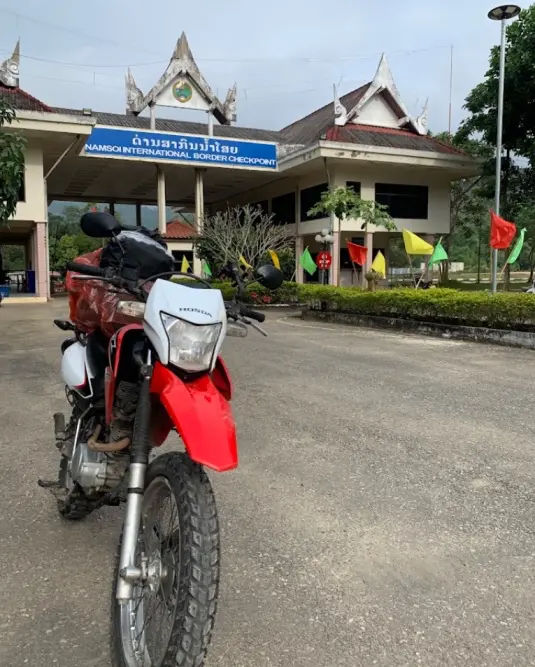
The closest border crossing from Hanoi to Laos is Na Meo, located approximately 280 kilometers west of Hanoi in Thanh Hoa Province. This route takes about 5-6 hours by motorbike and connects to Nam Xoi in Laos. Riders crossing with motorbikes need a border crossing permit issued by Hanoi’s Ministry of Transportation before departure. You’ll also need a Laos visa beforehand, this border doesnt issue a visa o enter Laos.
Conclusion: Practical Crossing into Vietnam
Arriving at border gates between 8am and 3pm provides optimal processing efficiency as staff rotations and extended lunch intervals create substantial delays outside these windows, particularly at smaller checkpoints with limited personnel. Carrying US dollars in small denominations proves essential for unexpected administrative fees, while maintaining adequate local currency for both countries facilitates smooth transactions.
Downloading comprehensive offline maps displaying alternative routes protects against unexpected gate closures for national holidays or maintenance work conducted without advance notification to travelers. Dressing conservatively with covered shoulders and knees matters as border officials reportedly enforce stricter standards than urban immigration offices, occasionally denying entry for inappropriate attire.
Maintaining fuel tanks above half capacity becomes critical since petrol stations near remote crossings prove scarce and charge inflated prices. Photographing all stamped documents immediately following processing prevents complications as replacement paperwork requires physically returning to original gates.
Joining active rider forums or Facebook communities provides real-time border condition updates from travelers who crossed mere days earlier sharing current requirements and unofficial fees. Now check if you need a visa to enter Vietnam
About the author
Hamid rides cross-country routes throughout Southeast Asia, specializing in international border crossings, permit acquisition, and visa procedures for adventure motorcyclists navigating Vietnam, Laos, Cambodia, and China’s frontier regions.